


Beauty standards have always existed, but today’s version feels more intense than ever. Social media filters, celebrity culture, cosmetic procedures, and endless online comparisons have created a world in which many people feel pressured to chase an almost impossible ideal. What was once considered optional has increasingly become expected.
Critics argue that some modern beauty trends are no longer about self-expression or confidence. Instead, they believe these standards are pushing people toward unrealistic expectations, financial stress, and dissatisfaction with perfectly normal features.
Here are eight American beauty standards that many observers say have gone too far.
Perfectly Flawless Skin

The pursuit of flawless skin has become one of the most relentless beauty expectations in America. Scroll through social media for a few minutes, and it can seem as though every pore, wrinkle, freckle, and blemish has disappeared. Filters and editing tools create the illusion that healthy skin should look like polished glass.
The Obsession With Looking Forever Young
Aging has become something many Americans are encouraged to fight rather than accept. Anti-aging products, cosmetic treatments, and surgical procedures promise to erase the visible signs of getting older. Gray hair, laugh lines, and wrinkles are often portrayed as problems that need immediate correction.
Unrealistically White Teeth
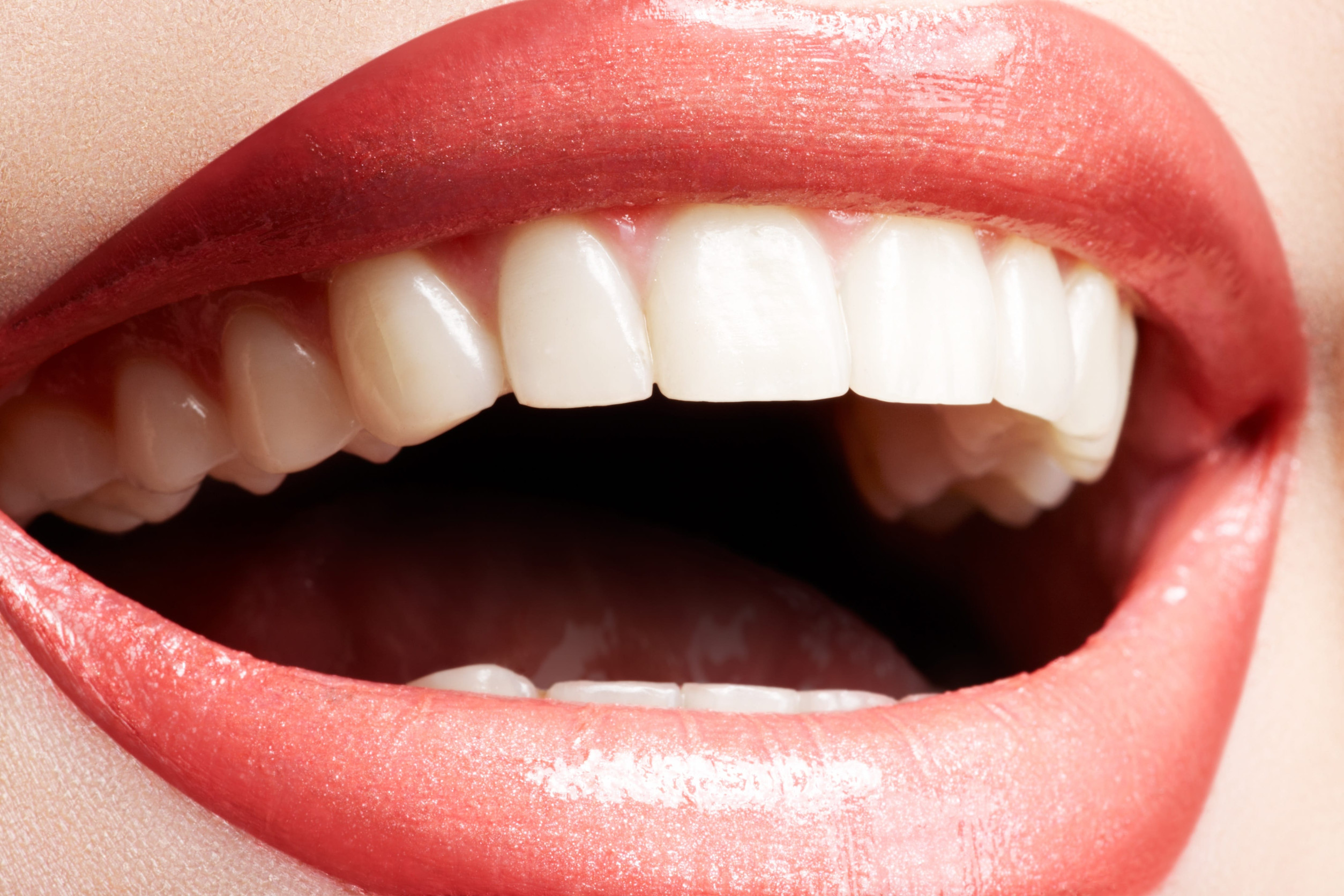
Bright smiles are attractive, but the modern expectation for dazzling white teeth has reached extraordinary levels. Celebrity photos, advertisements, and influencer content often feature teeth so white they appear almost artificial.
The Hourglass Body Ideal
The hourglass figure has become one of the most celebrated body shapes in American culture. Social media feeds are filled with images emphasizing tiny waists, curvy hips, and perfectly sculpted proportions. Fitness programs, shapewear, and cosmetic procedures frequently market themselves around achieving this specific silhouette.
The Demand for Constant Fitness

Being active and healthy is beneficial, but some observers believe fitness culture has crossed into unhealthy territory. Perfect abs, sculpted muscles, and low body fat percentages are often presented as the standard everyone should maintain year-round.
The Pressure to Have Full Lips
Full lips have become one of the most sought-after beauty features in recent years. Cosmetic procedures designed to increase lip volume have exploded in popularity, and countless influencers promote products promising larger, plumper lips. Critics question whether the trend has distorted perceptions of normal beauty.
Natural lip shapes vary tremendously from person to person. Yet many people now feel pressured to alter their appearance simply because one specific feature has become fashionable. Some observers worry that trends like these encourage temporary beauty ideals that constantly shift, leaving people endlessly chasing the next standard.
The Expectation of Perfect Hair
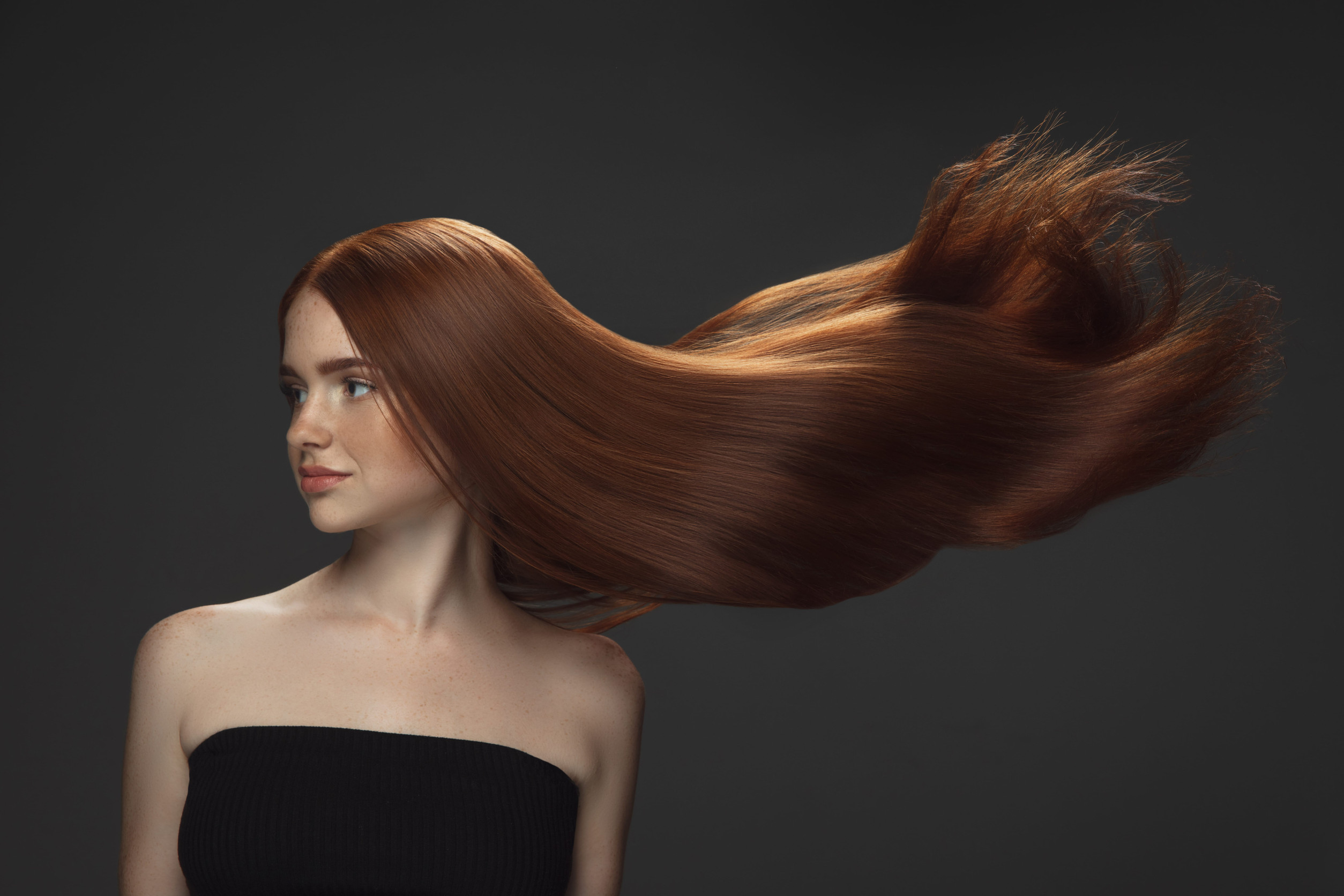
Hair has always played a major role in beauty culture, but modern expectations have become increasingly demanding. Thick, shiny, voluminous hair is often portrayed as the ultimate sign of attractiveness and success.
Looking Like a Filter in Real Life
Perhaps the most controversial beauty standard is the expectation that people should resemble their filtered online selves. Face-smoothing apps, virtual makeup tools, and image editing software have become so common that many users rarely post completely unedited photos.
Conclusion
The concern surrounding these beauty standards goes beyond appearance alone. Critics argue that unrealistic expectations can affect mental health, self-esteem, relationships, and financial well-being. Many people spend significant time, energy, and money pursuing ideals that continuously evolve and remain just out of reach.
Beauty itself is not the problem. Personal style, self-care, and self-expression can be positive and empowering. The issue arises when beauty standards become so narrow and demanding that people begin to feel inadequate simply for looking human.
The growing conversation around these trends reflects a larger cultural shift. More people are questioning who benefits from impossible beauty standards and whether the pursuit of perfection is worth the emotional cost. As that conversation continues, many hope that future definitions of beauty will become broader, healthier, and more inclusive of the natural diversity that already exists all around us.
Read the original Crafting Your Home.


