



Bringing a child into the world is a life-altering experience, but for many new mothers, it becomes a gateway to self-neglect. The demands of caring for a newborn can quietly push personal needs to the back burner, creating a lifestyle full of hidden hazards. Understanding these eight alarming ways self-neglect occurs is crucial for avoiding postpartum burnout and protecting long-term well-being.
These points reveal how everyday choices, or lack thereof, impact physical health, mental resilience, and emotional balance. Each pattern demonstrates that ignoring self-care is not a minor issue but a lifestyle risk with serious consequences.
Recognizing these 8 patterns allows new mothers to reclaim control over their health and happiness.
Ignoring Sleep Deprivation

Newborns disrupt normal sleep patterns, but mothers often push through exhaustion without seeking rest. Chronic sleep deprivation impairs decision-making, emotional regulation, and immune function. Over time, ignoring the need for adequate rest creates a hazardous cycle that increases the risk of postpartum burnout.
Skipping Proper Nutrition

Mothers frequently sacrifice meals or settle for quick snacks instead of balanced nutrition. Poor eating habits can lead to low energy, weakened immunity, and hormonal imbalances. Ignoring nutrition is a subtle but dangerous way self-care erodes, affecting both mother and baby.
Neglecting Physical Health

Many new mothers postpone exercise, stretching, or medical check-ups while focusing on infant care. Lack of movement and postponed healthcare can exacerbate pain, stiffness, and postpartum complications. This pattern quietly contributes to lifestyle hazards that compound over time.
Overcommitting to Others
Mothers often prioritize family, friends, and household obligations above themselves. Constantly saying yes to everyone else can increase stress and diminish personal energy. Overcommitment creates a dangerous imbalance that fosters burnout and emotional depletion.
Suppressing Emotions
Postpartum life can evoke intense emotions, yet mothers often suppress feelings of anxiety, sadness, or frustration. Bottling emotions increases stress and heightens the risk of mood disorders. Avoiding emotional processing is a hidden hazard that undermines both mental and physical health.
Disconnecting From Social Support
Isolation is common as mothers devote themselves entirely to infant care. Disconnecting from friends, family, or community removes vital emotional and practical support. This lifestyle hazard increases feelings of overwhelm, loneliness, and vulnerability to postpartum burnout.
Ignoring Mental Health
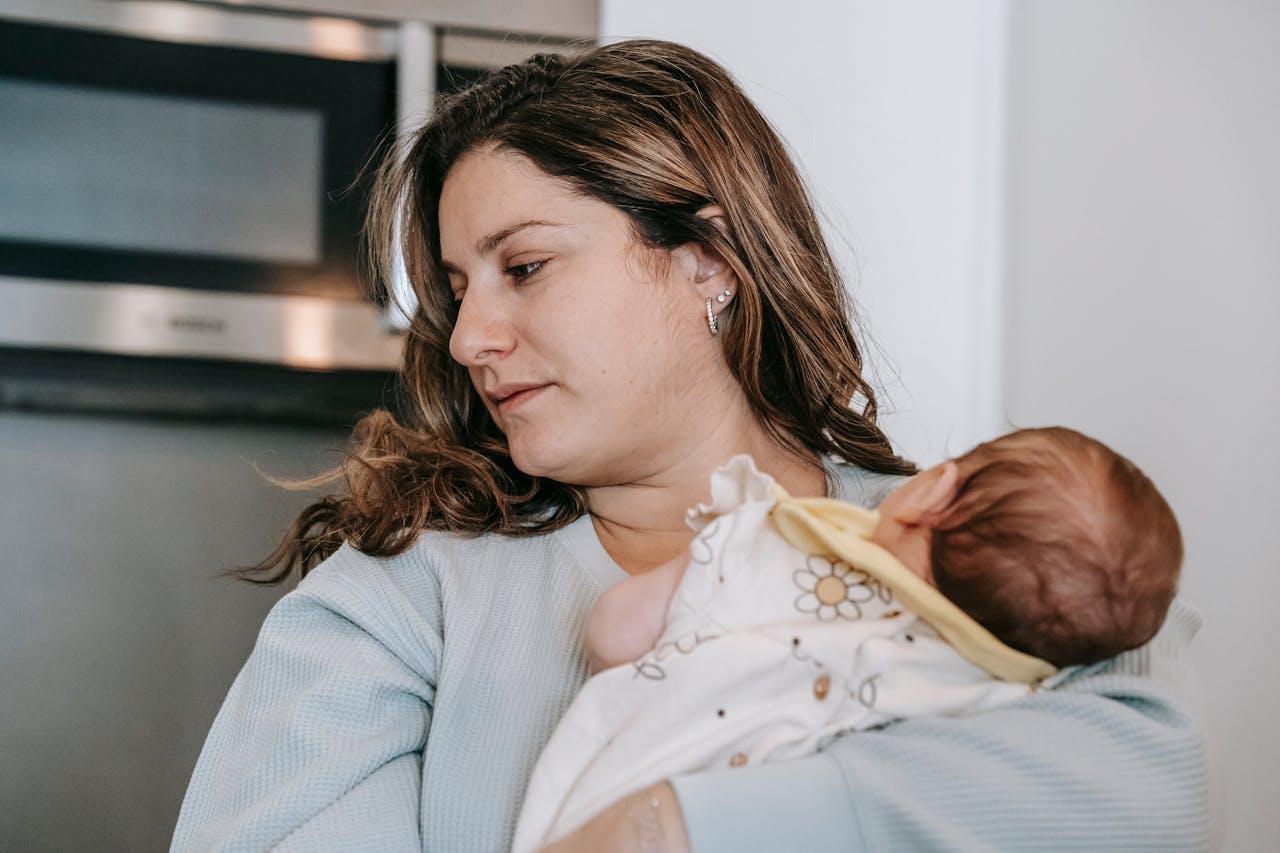
Postpartum anxiety and depression are often overlooked or dismissed as normal adjustment struggles. Ignoring signs of mental distress is dangerous and can lead to chronic issues. Recognizing and addressing mental health is critical to preventing long-term burnout.
Neglecting Personal Identity
Many mothers lose touch with hobbies, interests, or goals that defined them before pregnancy. This loss of personal identity can create dissatisfaction, frustration, and a sense of emptiness. Neglecting the self in favor of caregiving is a hazardous lifestyle choice that erodes long-term happiness.
Key Takeaways
These eight patterns reveal how self-neglect creeps into postpartum life, increasing the risk of physical, mental, and emotional burnout. Ignoring sleep, nutrition, physical health, emotional processing, social support, mental wellness, personal boundaries, and identity can transform motherhood into a hazardous lifestyle trap. Awareness of these pitfalls is the first step toward a balanced, sustainable approach to postpartum care.
Reclaiming personal health and happiness requires deliberate effort, support, and realistic boundaries. Priorit