7 Ways Your Body Reacts to a Full Day Without Food

Image Credit: Nicoletta Lonescu/Shutterstock

Fasting for 24 hours might seem daunting, but it’s not just about abstaining from food; it’s about initiating a profound transformation within your body. Whether you’re fasting for health reasons or simply curious about how your body handles such an experience, the effects are both fascinating and insightful.

Here, we explore seven notable changes that occur when you skip food for an entire day, shedding light on the remarkable ways the body adapts and thrives during a fast.

Glycogen Depletion

7 Ways Your Body Reacts to a Full Day Without Food

Image Credit: Gen A.I for illustrative Purposes

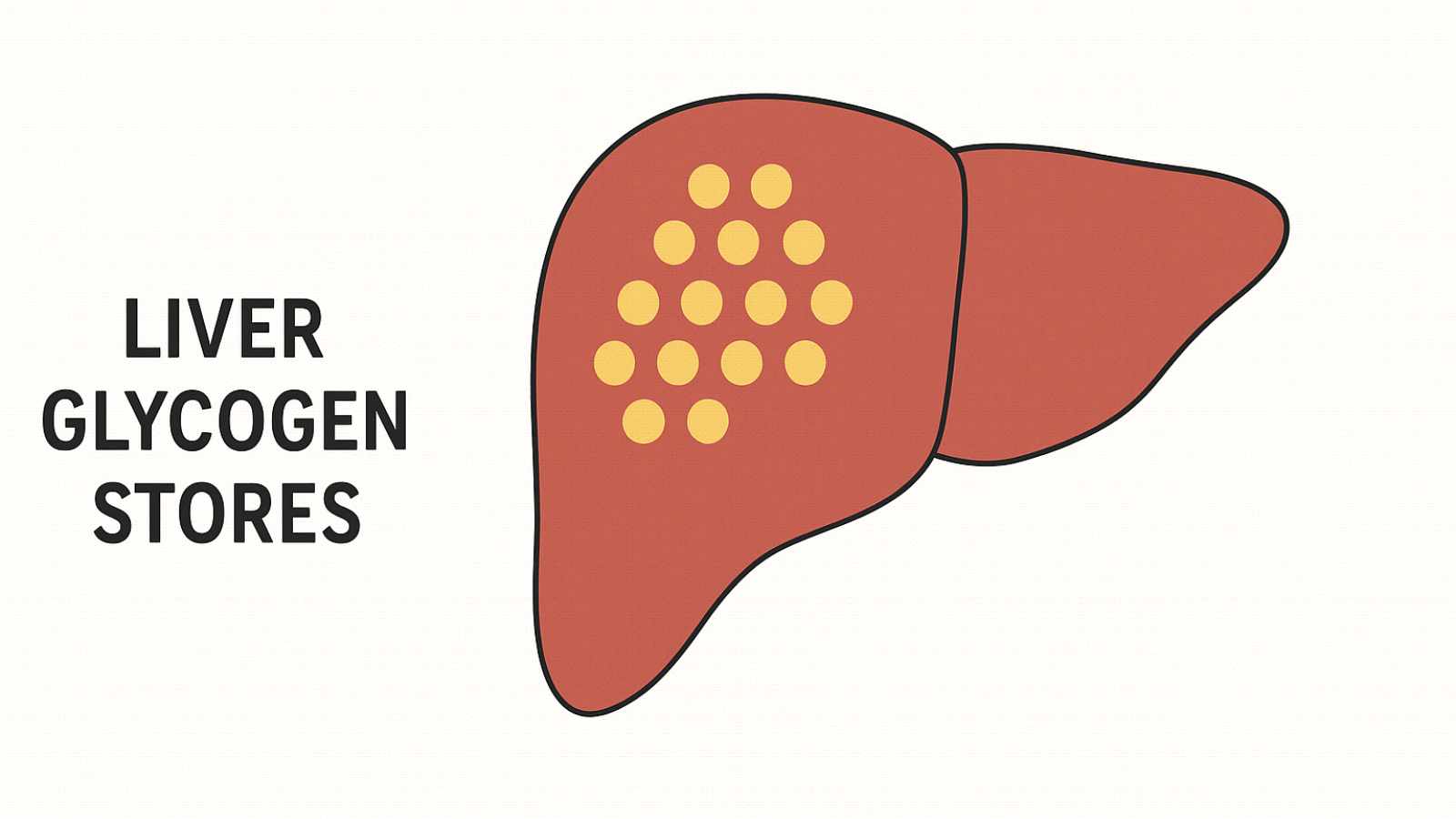
As soon as you stop eating, your body looks for its first source of fuel: glycogen. This stored carbohydrate, found primarily in the liver and muscles, is the body’s go-to energy source when food isn’t available.

Within the first 6–8 hours of fasting, glycogen stores begin to deplete, and the body starts to look for alternative fuel sources. Once glycogen is exhausted, your body is forced to pivot to fat reserves, triggering the next phase of fasting.

The Shift to Ketosis

7 Ways Your Body Reacts to a Full Day Without Food
Image Credit: Gen A.I for Illustrative Purposes

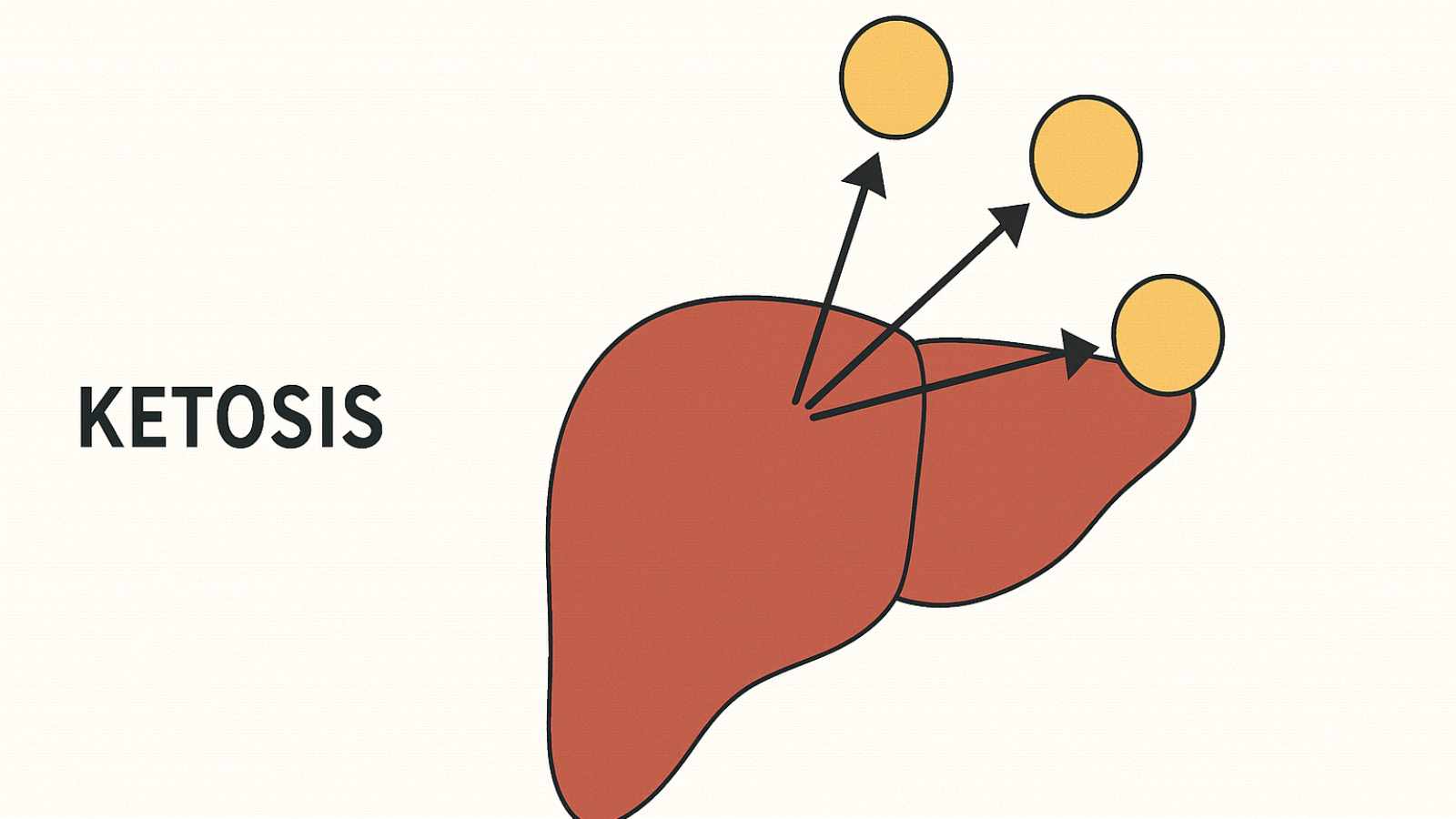
Once glycogen stores are depleted, the body enters ketosis. In this metabolic state, your liver starts breaking down fat into ketones, which are used as fuel by the brain and other tissues. This process marks a shift from burning carbohydrates to burning fat, a primary reason many individuals embrace fasting for weight loss.

Ketosis is a crucial phase of fasting that enables the body to continue functioning efficiently without food. It’s a natural metabolic adaptation that takes place in the absence of glucose.

Enhanced Mental Clarity

While it may sound counterintuitive, many individuals report heightened mental clarity and focus after the initial few hours of fasting. The brain, now fueled by ketones instead of glucose, becomes more efficient in its cognitive functions.

Ketones provide a steady and clean energy source that helps reduce the stress often caused by glucose fluctuations. The result? Many experience improved focus, better problem-solving, and a surge in creativity as the body taps into the power of ketosis.

Hunger Waves

As you fast, hunger does not persist in a constant state. Instead, it comes in waves. Ghrelin, the hormone that regulates hunger, fluctuates throughout the day, peaking around your usual mealtimes. Most people report that hunger pangs are intense at the beginning of the fast but tend to subside after 12–16 hours.

The body, in essence, adapts to the absence of food, and the early discomfort of hunger gradually fades, leaving space for more mental clarity and a sense of calm.

Cellular Repair

7 Ways Your Body Reacts to a Full Day Without Food
Image Credit: 123rf photos

One of the most compelling benefits of fasting is autophagy, the body’s method of cellular repair and cleanup. When the body enters a fasting state, it begins to break down and remove damaged or dysfunctional cellular components.

These components are either recycled for energy or used to build new, healthier cell parts. Autophagy is linked to longevity, disease prevention, and overall well-being. It’s an essential process for maintaining cellular integrity and fighting off the effects of aging.

Hormonal Boost

During a 24-hour fast, levels of Human Growth Hormone (HGH) increase significantly, by up to fivefold, in fact. HGH is vital for muscle growth, fat breakdown, and overall cellular repair.

This surge in HGH during fasting helps preserve muscle mass and accelerates fat burning, further supporting the body’s adaptation to the absence of food. The increased HGH production also supports tissue regeneration, making fasting a powerful ally in the repair and rejuvenation of the body.

Dehydration Risk

While fasting, the body misses out on the water typically obtained from food. This loss can lead to dehydration, which can cause fatigue, dizziness, and headaches. Since water is essential for many of the body’s processes, staying hydrated is critical during a fast.

Increasing water intake is necessary to compensate for the hydration you would usually get from meals. Drinking water throughout the day can help alleviate dehydration-related side effects and stabilize your energy levels.

Conclusion

Fasting for 24 hours triggers a series of biochemical reactions that not only promote fat burning but also enhance mental clarity, improve cellular health, and stimulate key hormonal processes.

While it’s not without its challenges, the benefits are undeniable. Understanding these profound changes can help you navigate the experience more effectively, making it a rewarding journey for both body and mind.


Author

  • Emmah Flavia

    Emma Flavia is a lifestyle writer who blends storytelling, psychology, and digital creativity to explore how people live, think, and connect in the modern world. Her work captures the rhythm of human behavior, from mental wellness and intentional living to social trends and digital culture.

    Emma also designs infographics and visual stories that simplify complex ideas into engaging, shareable content. Her background in communication and digital media allows her to combine research, narrative, and design in a way that resonates with today’s visual-first audience.

    When she’s not writing, Emma enjoys nature walks, creating minimalist digital art, experimenting with color palettes, and watching documentaries about human behavior and design.

    View all posts

Similar Posts

Leave a Reply

Your email address will not be published. Required fields are marked *