7 Ways to Significantly Reduce Food Waste and Save Money
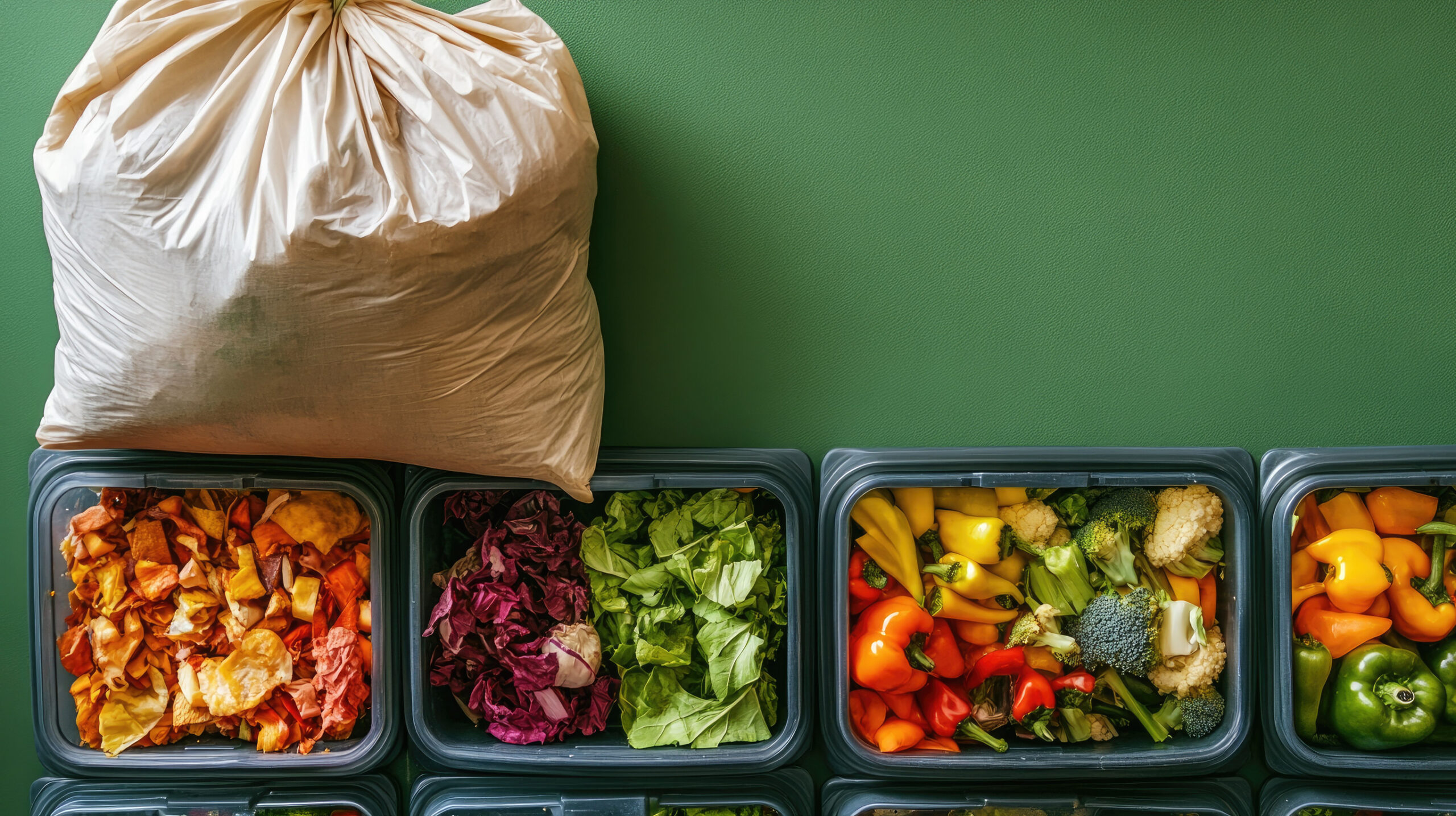
Food waste is not only an environmental issue, but it’s also costing you a significant amount of money. The good news? Reducing food waste is easier than you think, and it can have a profound impact on both your wallet and the planet.
By implementing some smart, practical strategies, you can minimize waste while maximizing the value of your food.
Here are seven highly effective ways to reduce food waste and save money.
Plan Your Meals and Shop Smart

One of the most impactful ways to reduce food waste and save money is to plan your meals and shop strategically. When you plan ahead, you eliminate impulse purchases and ensure you only buy what you need. By creating a weekly meal plan, you can use ingredients you already have in your pantry and fridge, minimizing the risk of buying extra items that may go to waste.
This foresight helps you avoid buying too much fresh produce, which is often the first to spoil. Shopping with a list based on planned meals means you are less likely to buy unnecessary items, helping you cut costs and reduce waste simultaneously. By sticking to a plan, you save time and money while preventing food waste.
Buy in Bulk—But Wisely
Buying in bulk can be a great way to reduce costs, but it only works if you are careful about how you store and use the items. Bulk buying is particularly effective for non-perishable goods like pasta, rice, grains, and canned vegetables, which have long shelf lives. By purchasing these items in larger quantities, you can take advantage of bulk discounts and reduce the need for frequent trips to the store.
However, when it comes to perishable goods like fresh produce, it’s important to avoid overbuying. While buying in bulk can be economical, it’s important to be mindful of how much you’ll actually use before these items spoil. Freezing excess produce or using airtight containers can extend the shelf life of perishable items, making bulk buying a smart option for long-term savings.
Master Proper Storage Techniques
Improper storage is one of the main reasons food spoils prematurely. Learning the right way to store your food can make a huge difference in preventing waste. For example, fruits and vegetables have specific storage requirements to stay fresh longer.
Some items, like apples and bananas, should be kept separate, while leafy greens should be wrapped in a damp paper towel before refrigeration. Using airtight containers for leftovers or perishable items helps preserve freshness and prevent spoilage.
Keeping your pantry organized and storing items in their ideal conditions not only extends their shelf life but also helps you stay on top of what you already have, so you don’t end up buying duplicate items or letting food go to waste. With a little attention to storage details, you can keep your food fresh longer and significantly reduce waste.
Get Creative with Leftovers

Leftovers are often seen as an afterthought, but with a little creativity, they can be transformed into new, delicious meals. Instead of letting leftover food sit in the fridge and eventually go to waste, consider how you can repurpose it. For instance, roast chicken can become the star of a salad or a wrap the next day, while leftover vegetables can be tossed into a stir-fry or made into a hearty soup.
Additionally, many meals freeze well, so if you don’t plan on eating the leftovers within a few days, freezing them ensures you can enjoy them later. By thinking creatively, you reduce food waste and make your meals stretch further, all while keeping the kitchen fresh and exciting.
Embrace “Ugly” Produce
The rise of “ugly” produce programs is one of the simplest and most effective ways to reduce food waste and save money. These programs focus on selling imperfect fruits and vegetables, those with blemishes, irregular shapes, or minor imperfections, at a discounted price. Traditionally, these items would be discarded because they don’t meet grocery store cosmetic standards, but in reality, they are just as nutritious and tasty as their more aesthetically pleasing counterparts.
By purchasing these “ugly” fruits and vegetables, you help reduce food waste at its source while also saving money on your grocery bill. Embracing this product also supports sustainable farming practices and reduces the carbon footprint of food production, making it a win for both your wallet and the planet.
Start Composting Food Scraps
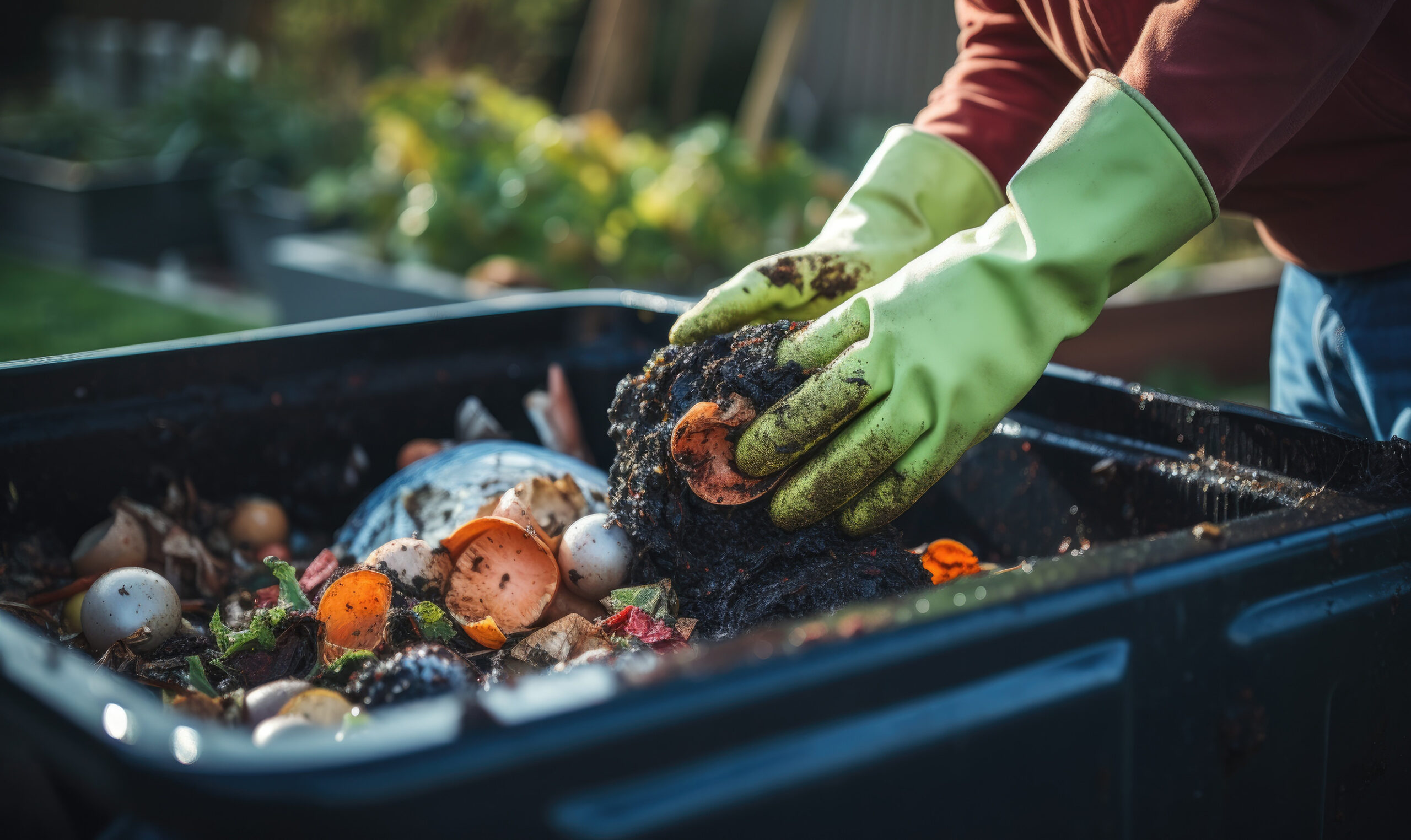
Rather than throwing away food scraps like vegetable peels, coffee grounds, and eggshells, composting offers a great way to benefit the environment. Composting these organic materials creates nutrient-rich soil that can improve the quality of your garden or plants. By diverting food waste from landfills, composting also helps reduce methane gas emissions, a harmful greenhouse gas.
While some food scraps, such as meat and dairy, should be avoided in composting, most fruits, vegetables, and even coffee grounds can be composted. This process not only reduces waste but also contributes to a more sustainable lifestyle by closing the loop on food production and consumption.
Freeze Extra Food Before It Spoils
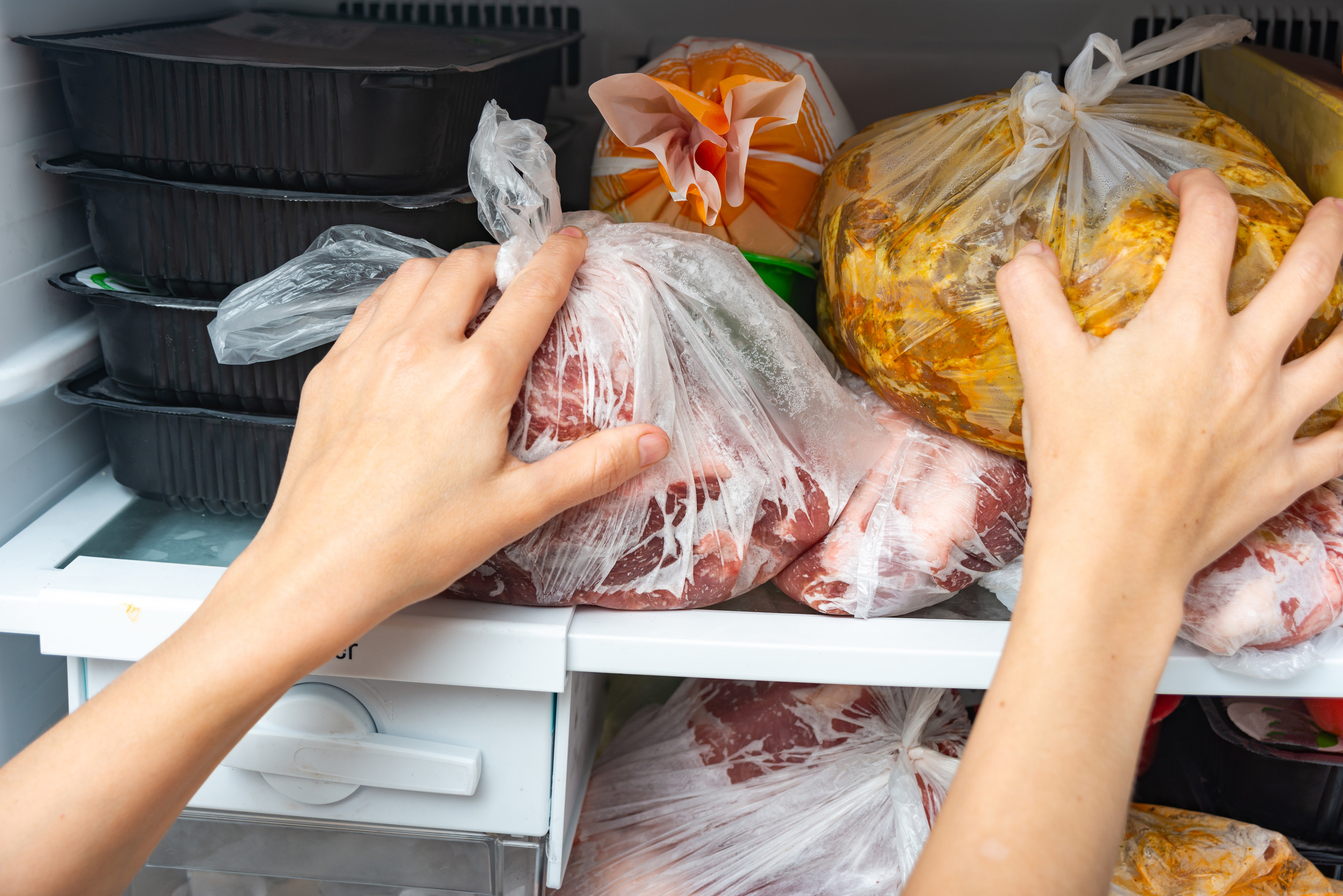
Freezing food is one of the best ways to extend its shelf life and prevent waste. Whether it’s extra portions of dinner, overripe fruits, or surplus vegetables, freezing allows you to preserve food for later use. For example, if you’ve cooked a large batch of chili but won’t be able to finish it in the next few days, freezing individual portions ensures you’ll have a quick meal ready when you need it.
Similarly, fruits like berries and bananas can be frozen and later used in smoothies or baked goods. Freezing not only helps prevent spoilage but also provides you with ready-to-go meals or ingredients when you’re too busy to cook. By freezing food that would otherwise go to waste, you’re making the most of every purchase and reducing unnecessary food expenses.
Conclusion
Reducing food waste and saving money go hand in hand. By planning meals, buying groceries in bulk wisely, and mastering storage techniques, you can significantly reduce waste and get the most value from your groceries.
Embracing creative ways to use leftovers, buying imperfect produce, composting food scraps, and freezing excess food are all effective strategies that contribute to a more sustainable and cost-effective lifestyle. With these practices, you’ll not only save money but also reduce your environmental impact, making every meal count.
Read the original article in Crafting Your Home.