7 Ways “Slow Family Living” Is Changing How Parents Raise Kids
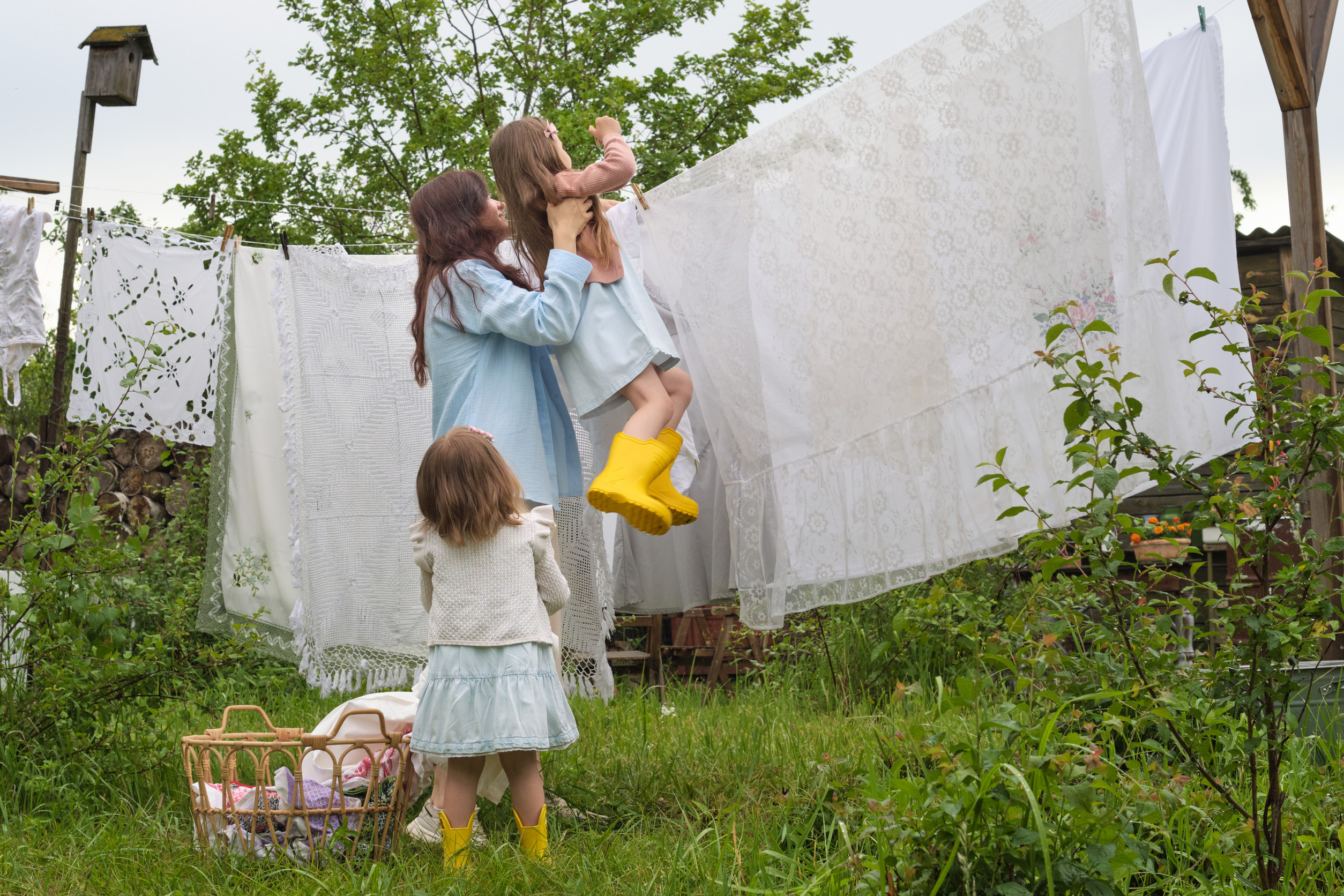
In today’s world, where the pace of life can feel like it’s constantly speeding up, there’s a quiet but powerful revolution taking place in the way families operate. Enter “slow family living,” a lifestyle movement that emphasizes intentionality, mindfulness, and slowing down in order to prioritize what truly matters. Parents who are embracing this movement are shifting how they raise their kids, creating stronger family bonds, and fostering a deeper connection to the present moment and the natural world.
Here are seven ways slow family living is transforming parenting for the better.
Prioritizing Quality Over Quantity in Family Time
In the rush of modern life, many families find themselves caught in the trap of “doing” rather than “being.” Activities are scheduled back-to-back, and time spent together often feels rushed. However, slow family living emphasizes slowing down and being fully present in each moment. Parents are increasingly opting for quality over quantity spending fewer, but more meaningful, hours with their children.
Building Stronger Connections with Nature

As technology continues to dominate daily life, many families are taking a stand by rediscovering the simple joys of nature. Slow family living encourages parents to spend more time outdoors, where kids can explore, play, and develop a deeper connection to the natural world. It’s about leaving behind screens, escaping the confines of four walls, and embracing the freedom that outdoor spaces offer.
Rethinking the “Busy” Lifestyle
One of the core tenets of slow family living is rejecting the “busy” lifestyle many parents feel pressured to maintain. Instead of filling every day with appointments, extracurriculars, and endless to-do lists, slow families are learning to say no to the hustle and bustle. They recognize that constant activity doesn’t equate to productivity or happiness.
Fostering Emotional and Mental Well-Being

In the fast-paced world of modern parenting, it’s easy for children’s emotional and mental health to take a backseat to academic achievement or extracurricular success. However, slow family living promotes a more balanced approach to well-being, where emotional health is just as important as physical or intellectual growth. Parents are becoming more attuned to their children’s emotional needs and are creating environments where feelings are validated, discussed, and supported.
Encouraging Unstructured Play and Creativity
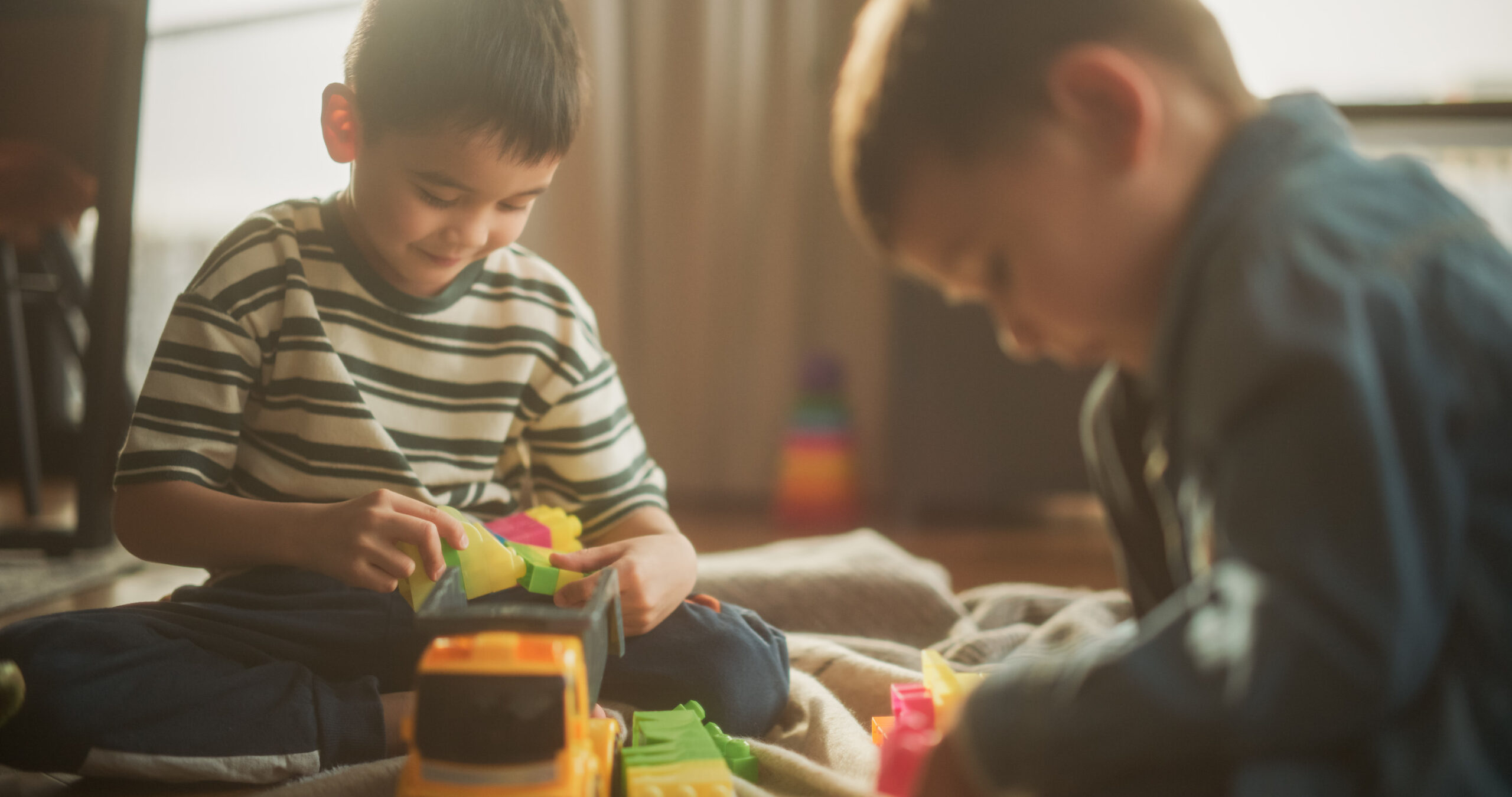
In the age of structured schedules and organized activities, many kids are deprived of unstructured playtime, which is essential for creativity, problem-solving, and independent thinking. Slow family living allows for more free time, where children can let their imaginations run wild without the constraints of a rigid schedule.
Embracing Minimalism in Family Life
Slow family living and minimalism often go hand in hand. In an age of rampant consumerism and the prioritization of material possessions, slow families are choosing to simplify their lives. This means curating possessions, reducing clutter, and opting for quality items that add true value to family life.
Instilling Lifelong Values of Patience and Gratitude
In a world that often values instant gratification, slow family living emphasizes patience and gratitude. Parents who embrace this lifestyle teach their children to appreciate the process rather than rush to the outcome. Whether it’s waiting for a home-cooked meal to be prepared, working on a long-term family project, or simply being patient with one another, slow families understand the value of taking time.
Conclusion
Slow family living is more than just a parenting trend; it’s a conscious choice to create a meaningful, intentional life for both parents and children. By embracing a slower pace, families are finding deeper connections with each other, with nature, and with their own well-being. This lifestyle fosters creativity, emotional intelligence, and a sense of gratitude that will stay with children throughout their lives.
As the world around us continues to move at lightning speed, slow family living offers a welcome antidote, a reminder that sometimes, the best way to move forward is to slow down and enjoy the journey.
Read the original Crafting Your Home