


Eggs get plenty of praise, and honestly, they deserve most of it. They are affordable, quick to cook, high in protein, and easy to turn into breakfast, lunch, or dinner without turning your kitchen into a science lab. Still, when it comes to vitamin D, eggs are more like a helpful side character than the star of the movie.
One large scrambled egg contains about 44 IU of vitamin D, which is useful but far from impressive when you compare it with certain fish, fortified drinks, and even mushrooms treated with ultraviolet light.
Vitamin D matters because the body uses it to absorb calcium, support bone health, help muscles function properly, and keep the immune system functioning well. If you are counting on eggs alone to meet your vitamin D needs, your plate may need a serious upgrade.
Cod Liver Oil
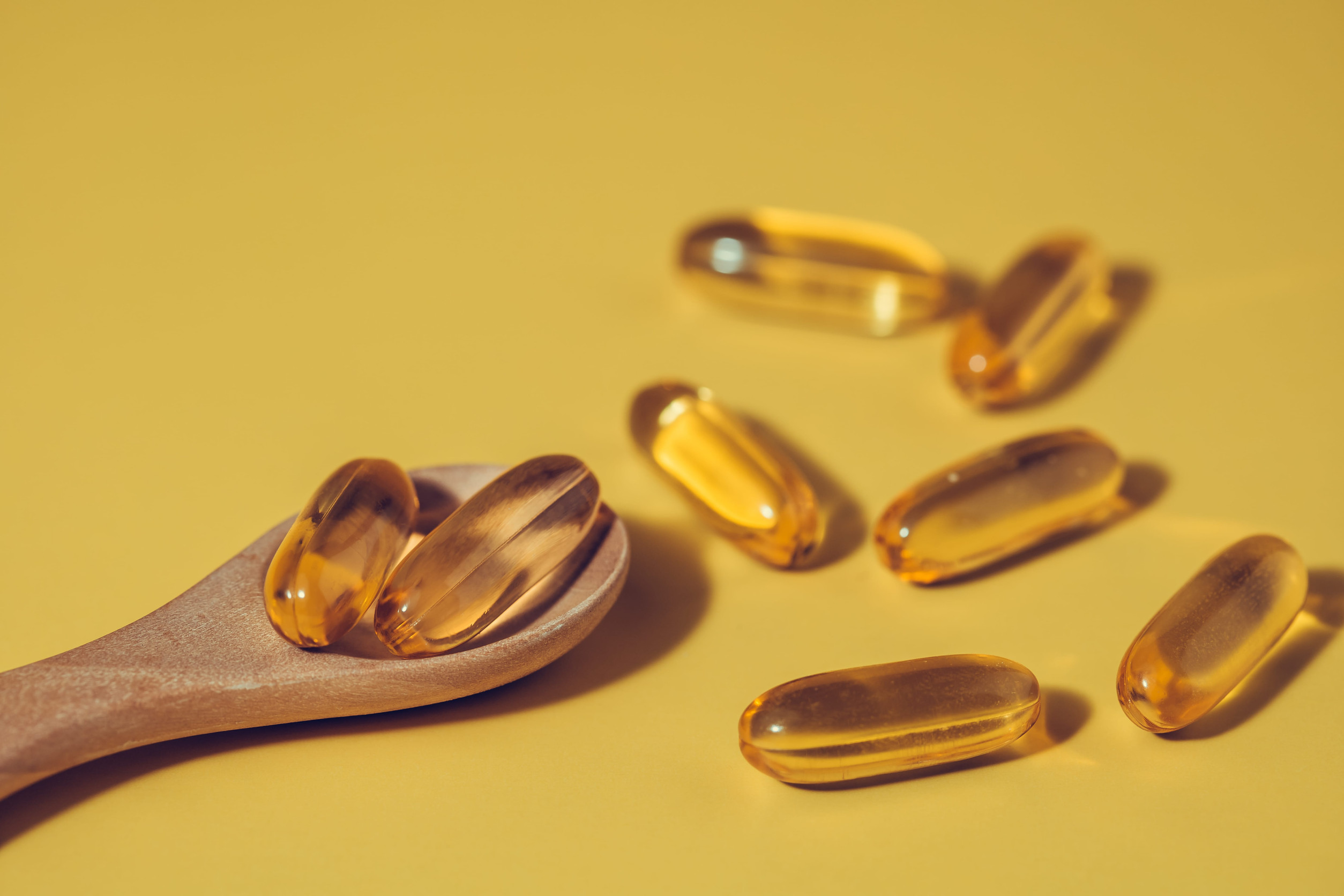
Cod liver oil is the heavyweight champion of vitamin D foods, and it is not even close. One tablespoon can deliver about 1,360 IU of vitamin D, which far exceeds the amount in a single egg. That means a small spoonful can provide far more vitamin D than a whole carton of eggs, making it one of the most concentrated sources of vitamin D available.
Of course, cod liver oil is not exactly famous for tasting like dessert. Some people take it in capsule form, while others mix the liquid version into smoothies or juice to soften the strong flavor.
It also contains vitamin A and omega fatty acids, so anyone taking supplements or dealing with health conditions should speak with a healthcare professional before making it a daily habit.
Sockeye Salmon
Salmon has earned its health halo for a reason. A 3-ounce serving of cooked sockeye salmon can provide about 570 IU of vitamin D, which is more than twelve times the amount in one large egg. That makes it one of the easiest ways to turn an ordinary dinner into a vitamin D-rich meal.
Rainbow Trout
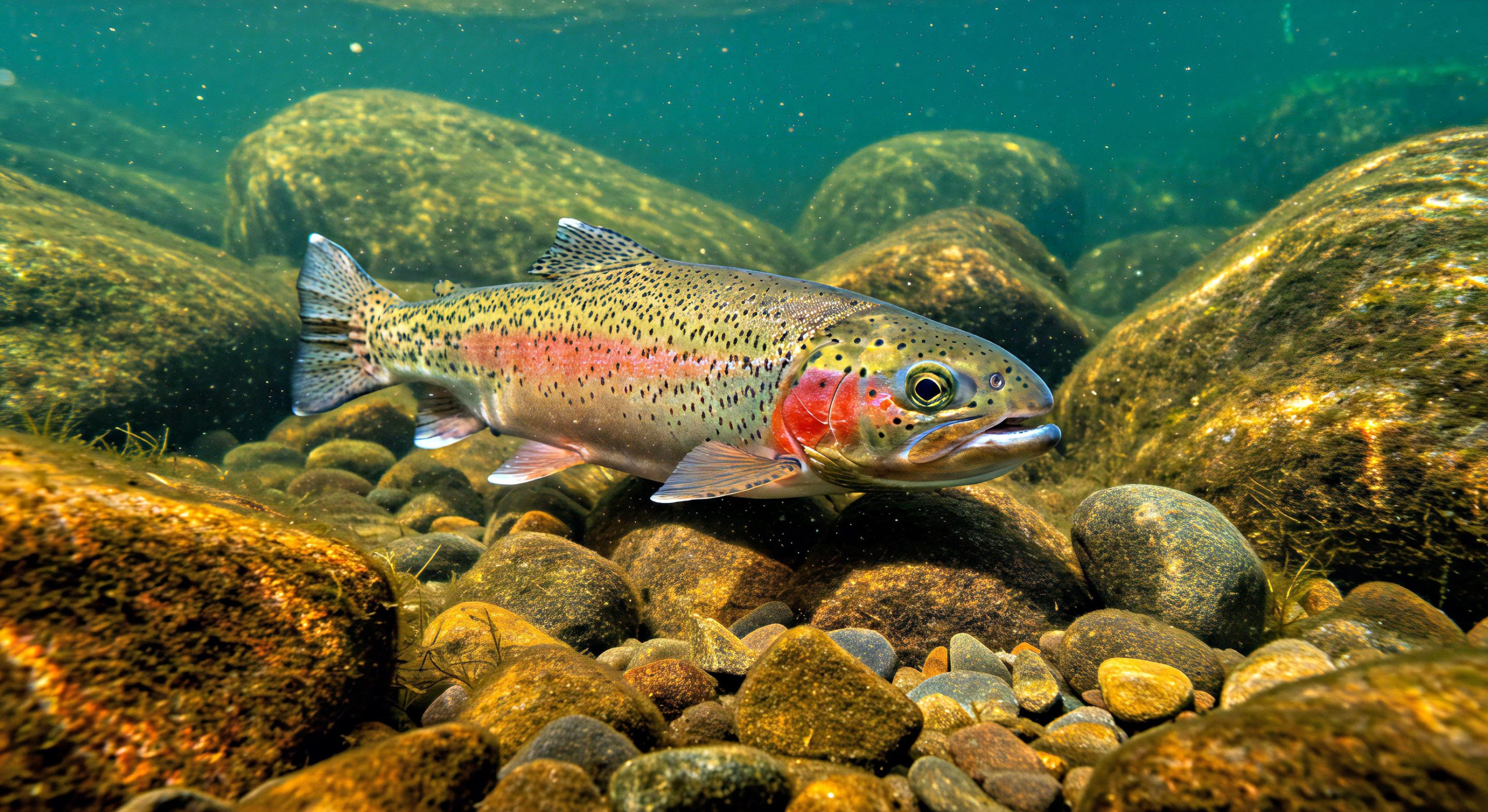
Rainbow trout is one of those foods that quietly does everything right. A 3-ounce serving of cooked farmed rainbow trout can offer around 645 IU of vitamin D, which makes an egg look tiny by comparison. It also brings quality protein to the plate, giving you a meal that feels filling without being heavy.
Fortified Dairy Milk

Regular milk naturally contains only small amounts of vitamin D, but fortified milk changes the story. One cup of vitamin D-fortified 2 percent milk can provide about 120 IU, which is still much higher than the 40 IU in a single egg. That is why fortified milk has remained a common everyday source for many American households.
Milk also has the advantage of being easy to use. You can drink it plain, pour it over cereal, blend it into smoothies, or use it in oatmeal, soups, and sauces. For people who already enjoy dairy, this is one of the simplest ways to boost vitamin D intake because it does not require a major change in cooking habits.
UV Exposed Mushrooms
Mushrooms are the surprise entry on this list, especially for people who think vitamin D is found only in seafood and dairy. When white mushrooms are exposed to ultraviolet light, a half cup can provide about 366 IU of vitamin D. That is a huge jump from regular mushrooms, which often contain very little unless they receive that UV treatment.
Fortified Plant Milks
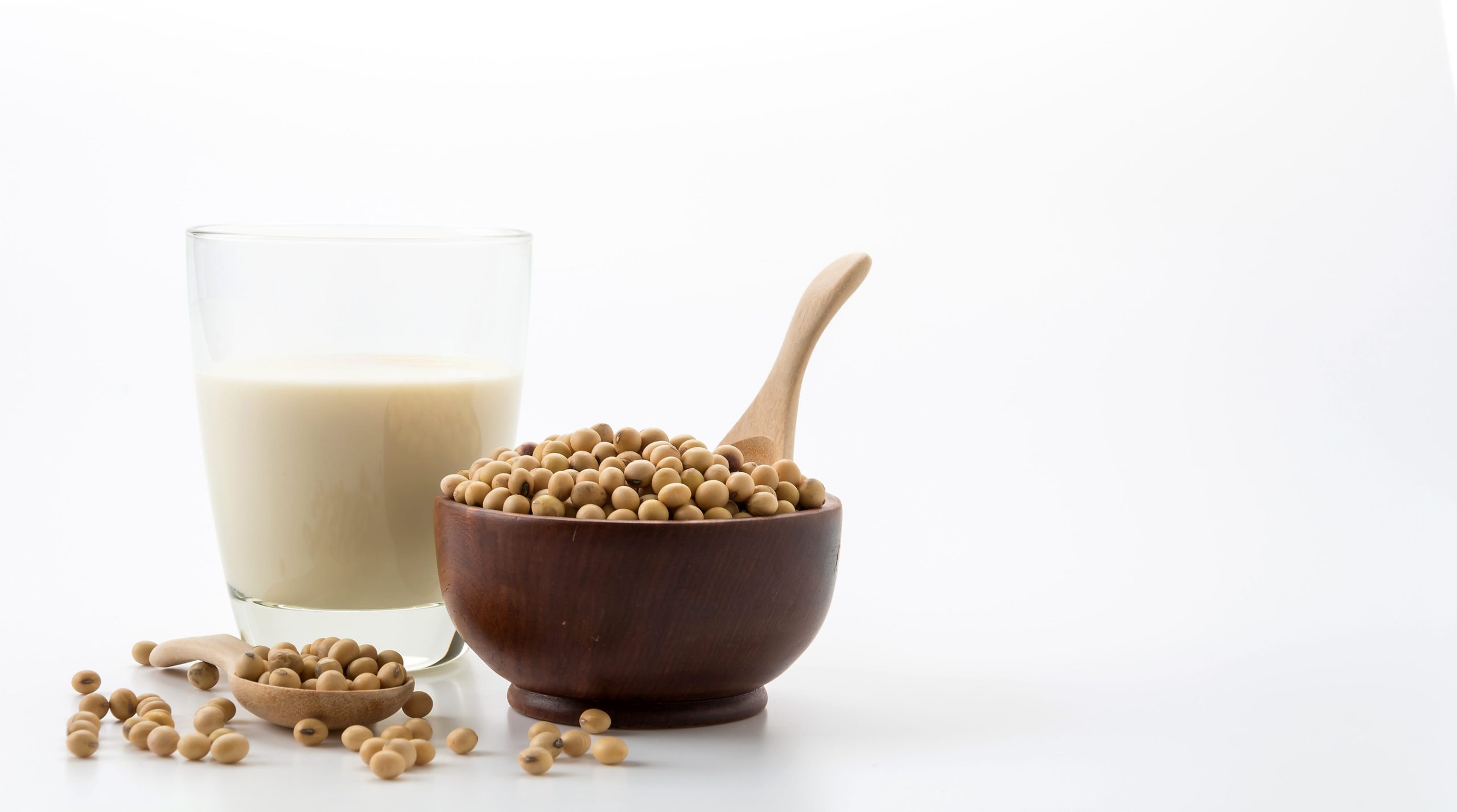
People who avoid dairy still have solid options. Fortified soy, almond, and oat milks often provide about 100-144 IU of vitamin D per cup, depending on the brand. That puts many of them comfortably above the amount in one large egg, while also giving plant-based eaters a convenient way to increase their intake.
Fortified Cereal
Fortified cereal may not sound glamorous, but it can still help fill the vitamin D gap. Some ready-to-eat cereals fortified with vitamin D provide around 80 IU per serving, which is nearly double what you get from one large scrambled egg. That makes cereal a surprisingly useful option when paired with fortified milk.
Conclusion
Eggs are still a smart food, but they are not the vitamin D powerhouse many people imagine. They provide protein, choline, healthy fats, and important minerals, yet their vitamin D content is modest compared with foods like cod liver oil, trout, salmon, UV-exposed mushrooms, and fortified drinks.
The best move is not to abandon eggs. The smarter move is to stop asking them to do all the work. Add fatty fish when you can, look for fortified milk or plant milk, try UV-exposed mushrooms, and choose fortified cereal with care. Small food swaps can make a big difference, especially when your body is quietly asking for more of the sunshine vitamin.
Read the original Crafting Your Home.


