7 Ultimate Guide to Room Organization for Kids: Transforming Chaos into Calm
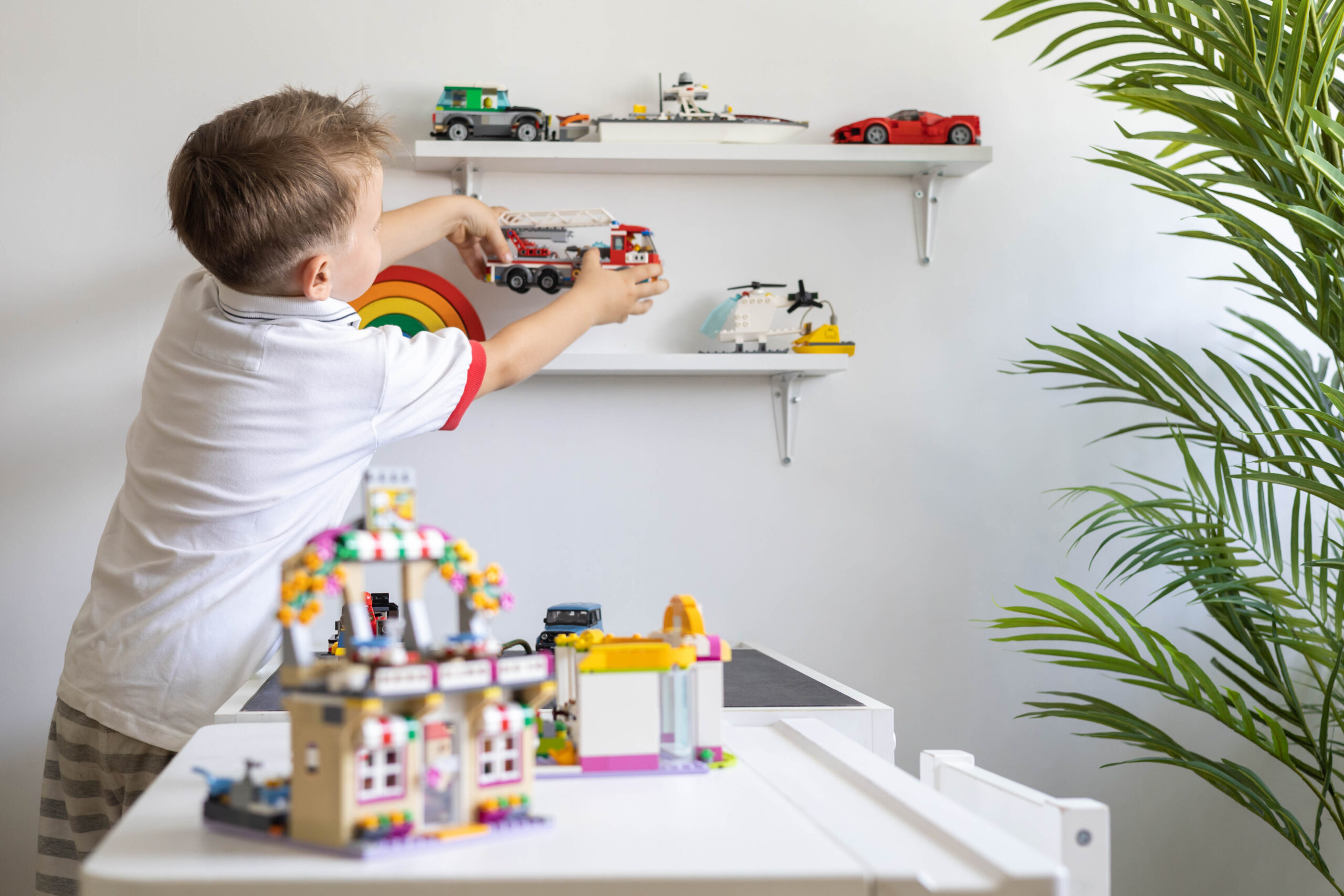
Organizing a child’s room can feel daunting, but with the right strategies and approach, it can be an enjoyable and rewarding experience.
Proper room organization for kids not only makes daily life easier but also encourages responsibility and promotes a sense of calm.
This guide offers practical, creative solutions to turn your child’s room into an organized space that fosters both fun and functionality.
Why Room Organization Matters for Kids
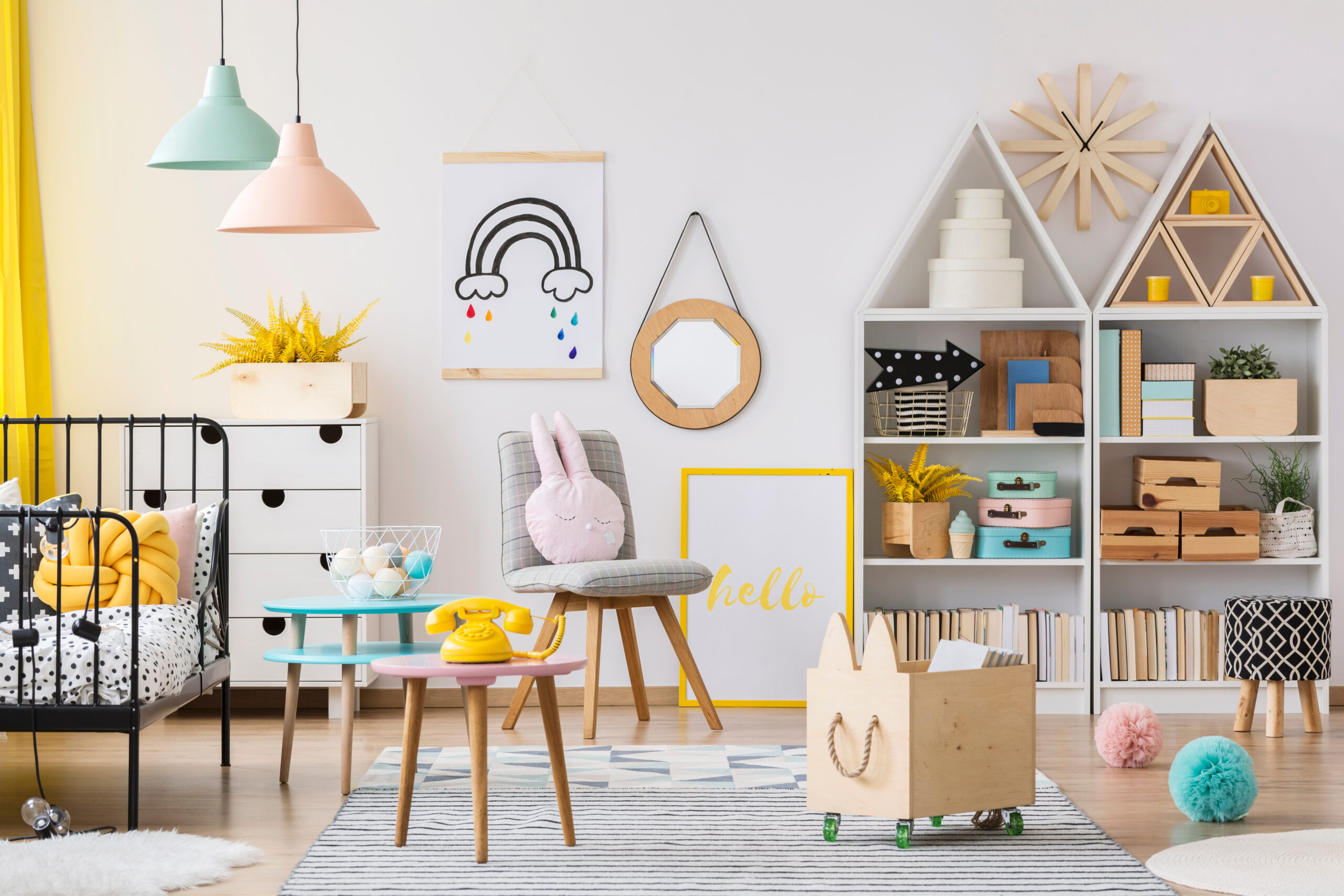
A well-organized room has numerous benefits for both parents and children. It creates an environment where kids can thrive, making it easier for them to find what they need and feel a sense of control over their surroundings.
For parents, an organized room means less time spent searching for lost toys and less clutter.
Step-by-Step Process for Organizing Your Child’s Room
Set Clear Goals for the Room
Declutter and Purge Unnecessary Items
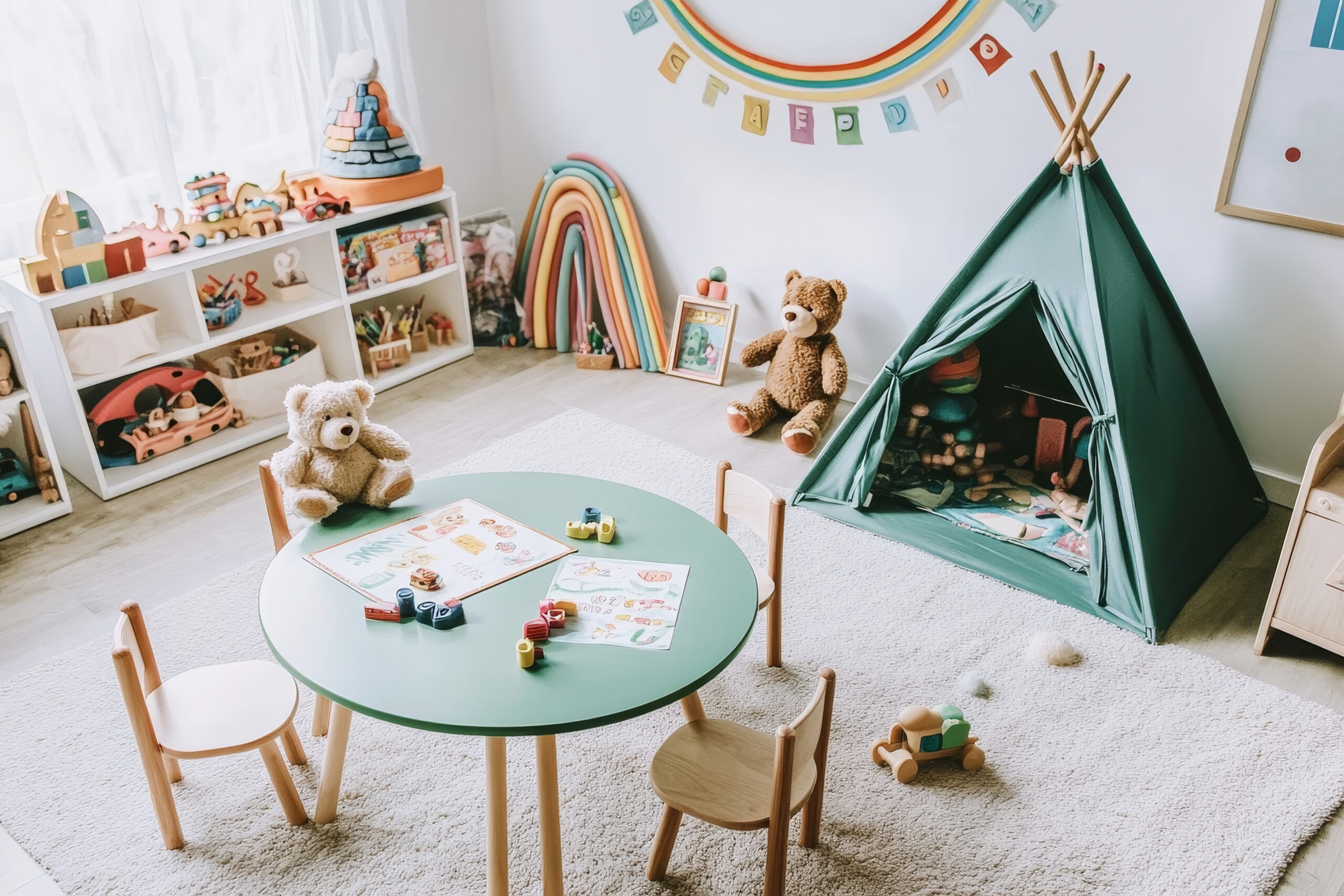
The first step to an organized room is to eliminate unnecessary clutter. Start by going through everything in the room, from toys and books to clothes and art supplies. Be sure to involve your child in the decision-making process, especially when it comes to toys and belongings they no longer use.
- Keep: Items that are still useful and important to your child.
- Donate: Items that are in good condition but no longer used.
- Recycle: Broken or outdated items that cannot be reused.
Create Functional Zones in the Room
Once you’ve cleared out unnecessary items, it’s time to organize the remaining ones into functional zones. A well-organized room is divided into distinct areas for different activities. Some common zones to consider include:
- Sleeping Area: The bed should be the focal point of the room. Make sure the bedding is cozy, and the bed frame is appropriate for the child’s age. Use under-bed storage for extra blankets or toys.
- Study Area: If your child is old enough to study or do homework, designate a quiet area with a desk, a comfortable chair, and adequate lighting. Keep school supplies, books, and papers organized in bins or drawers.
- Play Area: Designate a section of the room for playtime. This could be an area with a rug where your child can play with toys, puzzles, or art materials. Storage bins, shelves, or toy chests can help keep play items organized and accessible.
- Clothing and Storage: Invest in a well-organized closet system with labeled bins, hangers, and drawer dividers. Keep frequently used items at eye level so your child can access them easily.
Maximize Vertical Space
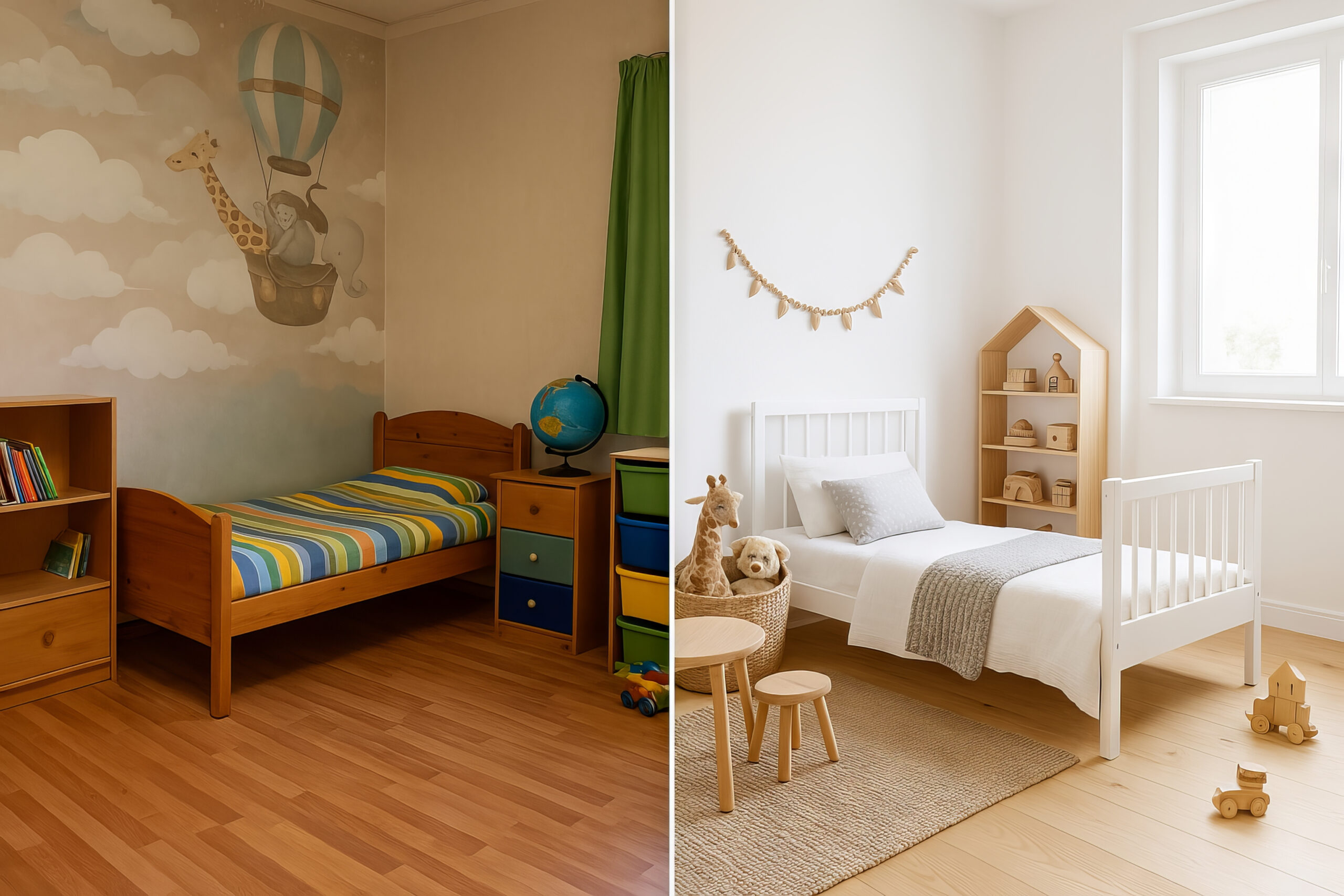
Invest in Multi-Functional Furniture
Furniture that serves multiple purposes is a game-changer for organizing kids’ rooms. Here are some great ideas for multi-functional furniture:
- Bunk beds with storage: These beds are ideal for shared rooms, providing extra space underneath for storage bins, drawers, or a desk.
- Storage ottomans: These versatile pieces of furniture can function as both seating and storage.
- Bookshelf desks: A combination of a desk and bookshelf in one unit allows your child to study while keeping books organized in an accessible way.
Use Creative Storage Solutions
Storage solutions should be as creative as they are functional. Here are a few ideas to keep the room organized while adding some fun flair:
- Labeled bins: Color-coded or labeled storage bins make it easier for kids to put things away.
- Toy carts: Rolling carts are perfect for storing small toys, art supplies, or craft materials. They can be easily moved around the room, making cleaning up a breeze.
- Hanging organizers: Use hanging organizers to store shoes, toys, or art supplies. These can be hung over doors or from wall hooks to keep items off the floor and organized.
Teach Organization Habits
The final step is to instill the habit of keeping the room organized. Teach your child the importance of tidying up and make cleaning up a fun and rewarding activity. Here are some strategies:
- Set a routine: Encourage your child to clean up at the end of each day. A nightly cleaning ritual can help prevent clutter from accumulating.
- Make it a game: Turning cleanup time into a game or challenge can make it more engaging for your child. Set a timer and challenge them to see how quickly they can put away their toys.
- Reward system: Offer small rewards for maintaining a tidy room, such as extra playtime or a sticker chart.
Common Challenges in Organizing Kids’ Rooms and How to Overcome Them
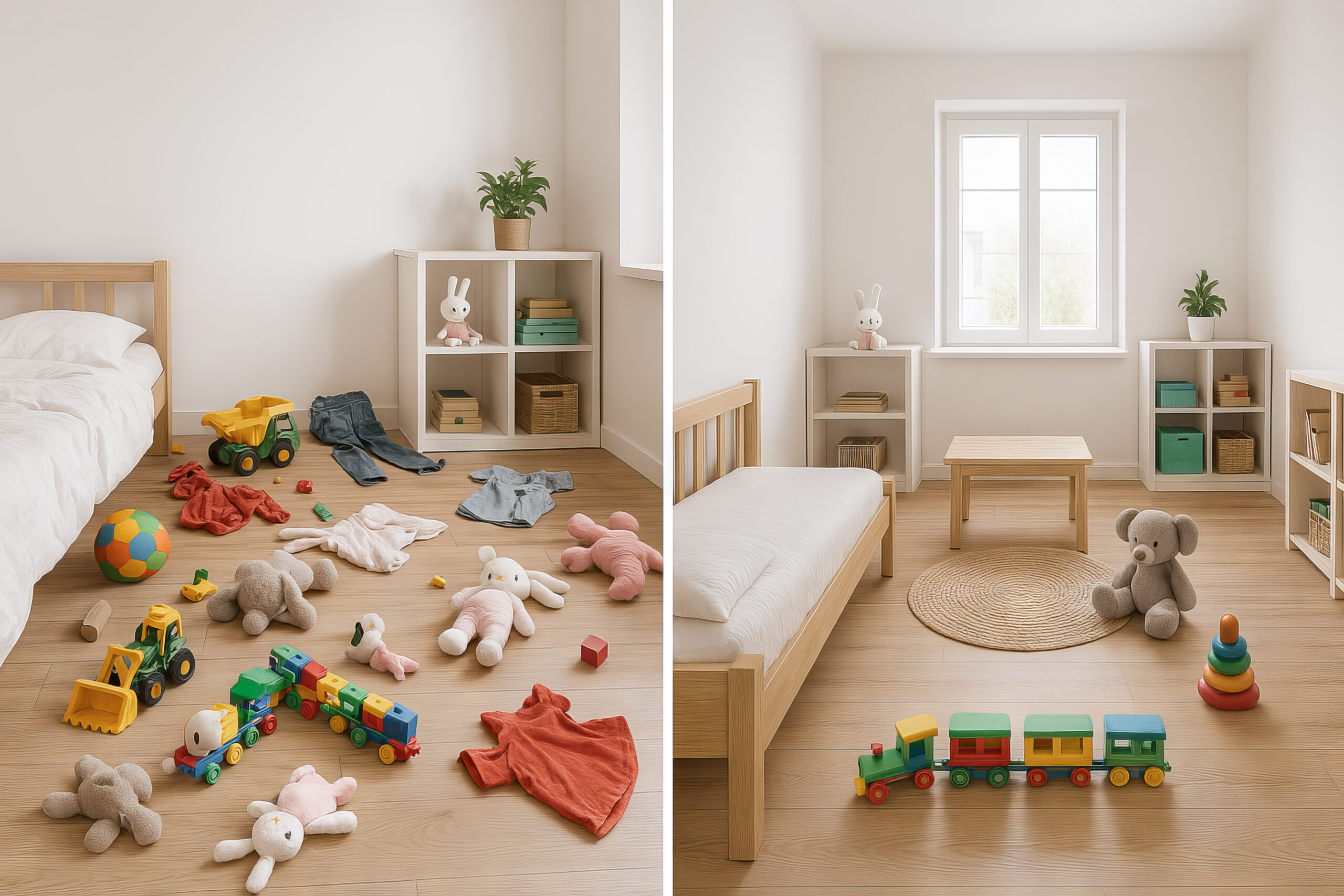
While organizing a kid’s room can be enjoyable, it’s not without its challenges. Here are some common obstacles parents face, along with solutions:
- Too many toys: Kids often accumulate toys faster than they can keep up with. Regularly decluttering and rotating toys can keep things manageable. Keep only the most cherished toys out and store the rest in bins to swap out when needed.
- Lack of space: If space is limited, focus on multi-functional furniture and vertical storage. Consider bunk beds or lofted beds to maximize space under the bed for storage or play.
- Unwillingness to tidy up: It’s common for kids to resist cleaning their room. To overcome this, make tidying up a part of their daily routine and set clear expectations. Positive reinforcement, like praise or rewards, can also motivate them to keep their space organized.
Conclusion
Organizing a child’s room is more than just about tidiness. It’s about creating a space that enhances your child’s well-being, fosters independence, and promotes learning and growth.
By following these practical steps, you can transform a chaotic room into a calm, functional space that your child will love.
Please remember that organization is a skill that takes time to develop, so be patient and consistent. With the right approach, both you and your child will enjoy the benefits of an organized room for years to come.