


Abraham Lincoln remains one of America’s most admired presidents, but the polished version of his story leaves out many of the sharp edges. He helped lead the country through the Civil War, weakened slavery, and backed the constitutional change that finally ended it. Still, the real Lincoln was not a flawless saint carved from marble. He was a wartime politician, a cautious strategist, and a man whose views on race changed slowly under pressure.
That is why these ugly facts about Abraham Lincoln still matter. They do not erase his achievements. They make the story more honest. Lincoln’s legacy becomes far more compelling when we look at the contradictions, the compromises, and the people who pushed him toward the better side of history.
Lincoln Put Saving the Union Before Ending Slavery
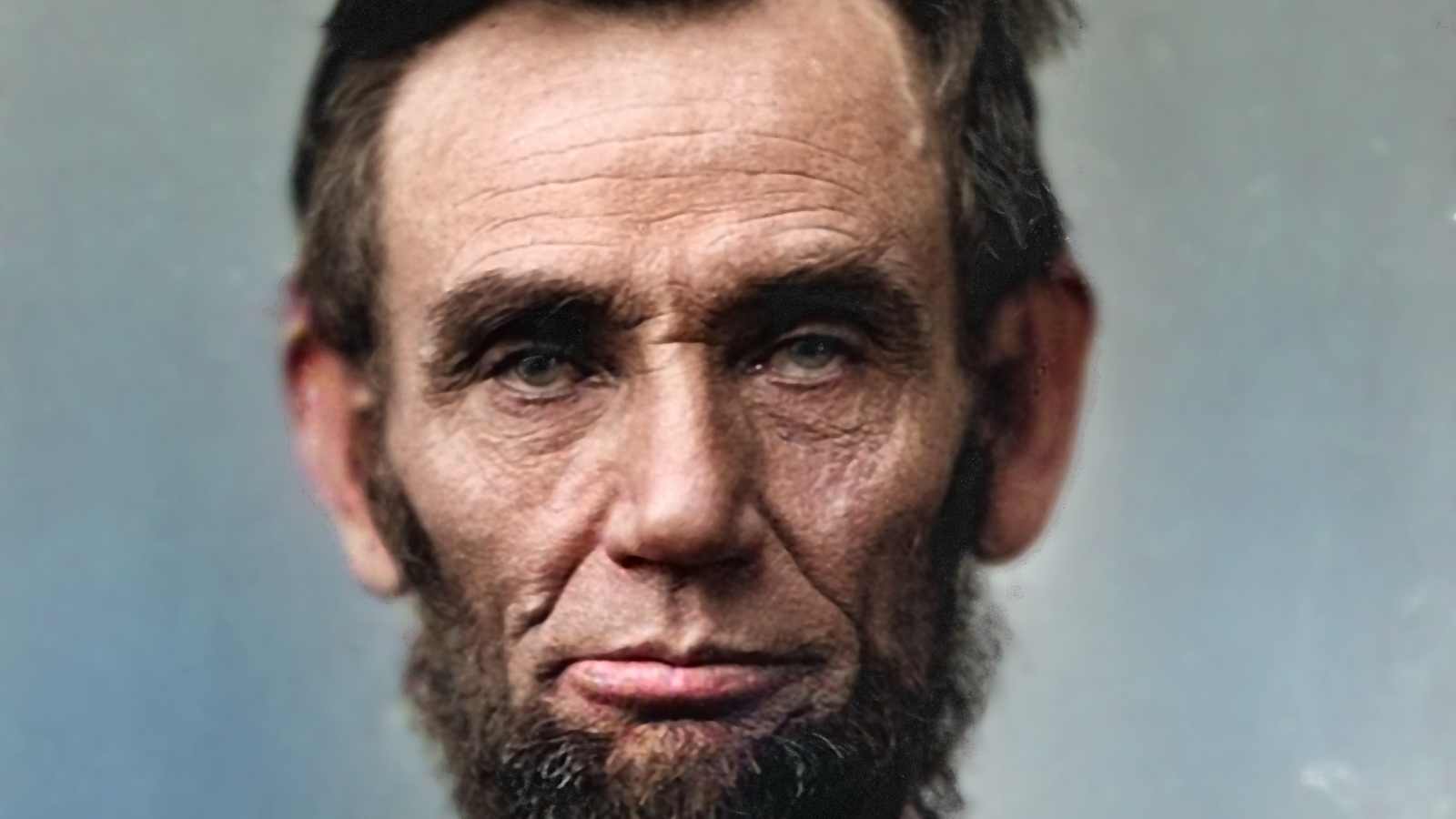
One of the hardest truths about Lincoln is that his first priority was saving the Union, not immediately ending slavery. In 1862, he made that point plainly in his letter to newspaper editor Horace Greeley, saying his main goal was to save the Union, even if that meant freeing none, some, or all enslaved people.
That statement does not mean Lincoln supported slavery like Confederate leaders did. He opposed slavery’s expansion and eventually understood that emancipation was necessary. Still, his own words show that freedom became tied to military strategy. Enslaved people, abolitionists, and Black soldiers helped force the slavery question into the center of the war.
He Promised Not to Disturb Slavery Where It Already Existed
Before Lincoln became linked forever with emancipation, he tried to calm slaveholding states by saying he would not interfere with slavery where it already existed. In his First Inaugural Address in 1861, he said he had “no lawful right” and “no inclination” to interfere with it.
That sounds shocking today because many people imagine Lincoln entering office with a full abolition plan in place. His early position was narrower. He wanted to stop slavery from spreading into new territories, which slaveholders saw as a threat to their future power. The South still seceded because its leaders understood that blocking slavery’s expansion could slowly weaken the system.
The Emancipation Proclamation Did Not Free Everyone
The Emancipation Proclamation was historic, but it had limits that often get lost in simple retellings. It applied mainly to enslaved people in Confederate areas still in rebellion. It did not immediately free enslaved people in loyal border states, and it excluded some Confederate areas already under Union control.
That does not make the proclamation meaningless. It changed the purpose of the war, weakened the Confederacy, encouraged enslaved people to flee plantations, and allowed Black men to fight for the Union. Yet slavery did not legally end across the entire country until the 13th Amendment. Lincoln’s proclamation was powerful, but it was also a wartime order shaped by law, politics, and military necessity.
Lincoln Supported Colonization Before Accepting Black Belonging
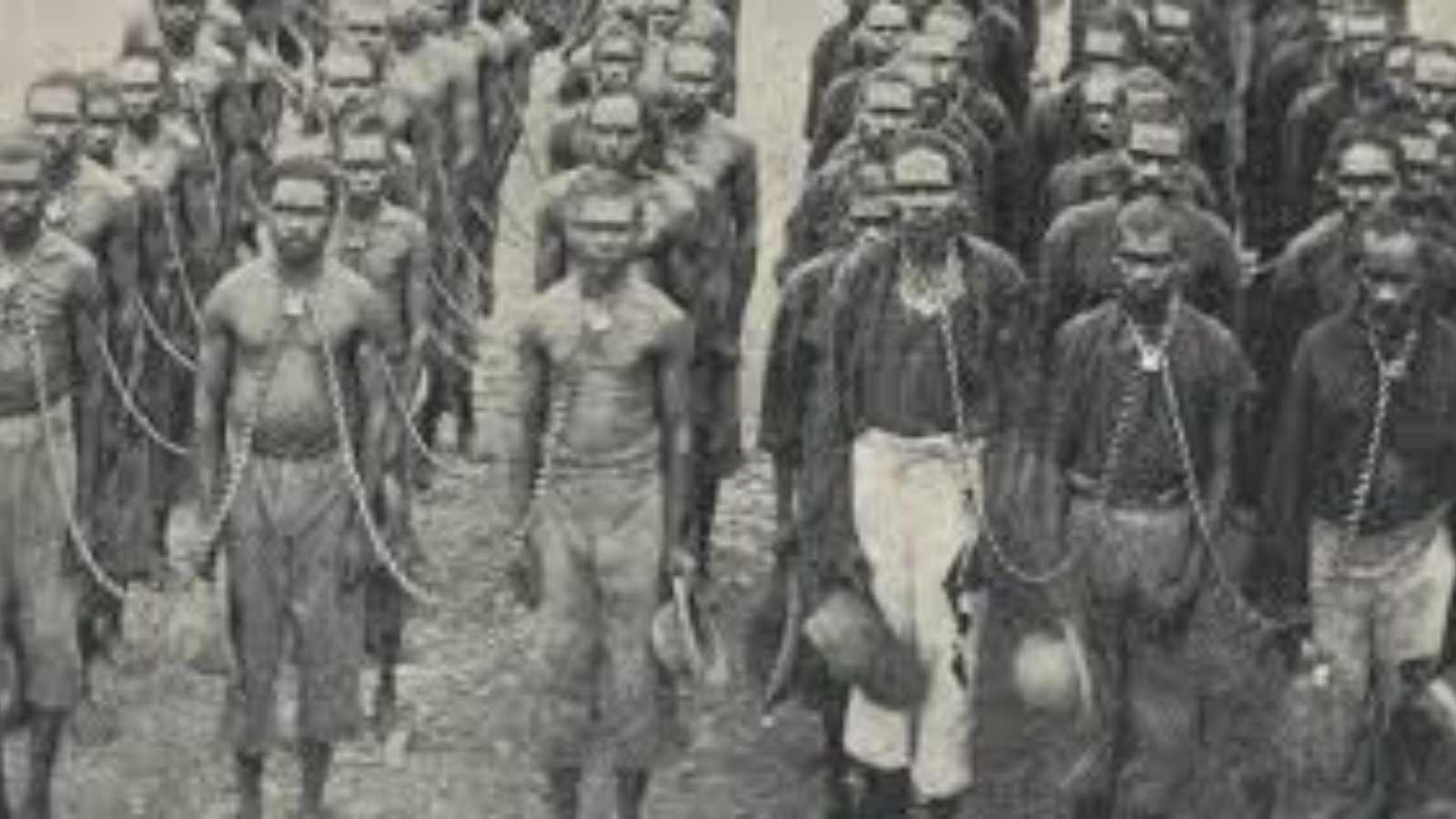
One of the most uncomfortable Lincoln facts is his support for colonization, the idea that freed Black Americans should leave the United States and settle somewhere else. In 1862, he met with Black leaders at the White House and suggested that separation might be better for both races, even pointing to Central America as a possible destination.
That moment reveals how limited Lincoln’s racial vision still was at the time. He could see slavery as wrong, but he struggled to imagine a truly equal biracial democracy. Black leaders rejected that idea because America was their home, too. Their labor had built it, their families had suffered in it, and their future belonged in it.
He Said Things About Racial Equality That Sound Brutal Today
Lincoln’s public words on racial equality were often shaped by the racist politics of his era. During the 1858 debates with Stephen Douglas, he rejected full social and political equality for Black Americans in ways that sound brutal to modern readers. He distanced himself from Black voting rights, jury service, and interracial marriage because white voters were deeply hostile to those ideas.
The contradiction is difficult but important. Lincoln argued that Black people had a natural right to earn the bread their own hands produced, which was a powerful anti-slavery statement. Yet he did not consistently support full equality in public. His views evolved, but the earlier record still shows a leader trapped inside the racial limits of his time.
Lincoln Expanded Wartime Power in Ways That Still Raise Alarms
Lincoln defended democracy, but he also used sweeping emergency power during the Civil War. He suspended habeas corpus, which normally allows detained people to challenge imprisonment in court. His administration also targeted some newspapers and critics who were accused of damaging the Union cause.
Supporters argue that Lincoln faced a real national emergency. Washington was vulnerable, border states were unstable, and the Union could have collapsed. Critics argue that his actions stretched presidential power in dangerous ways. Both views carry weight. Lincoln saved the country in part by using authority that still makes Americans nervous whenever presidents claim emergency powers.
He Approved the Largest Mass Execution in U.S. History
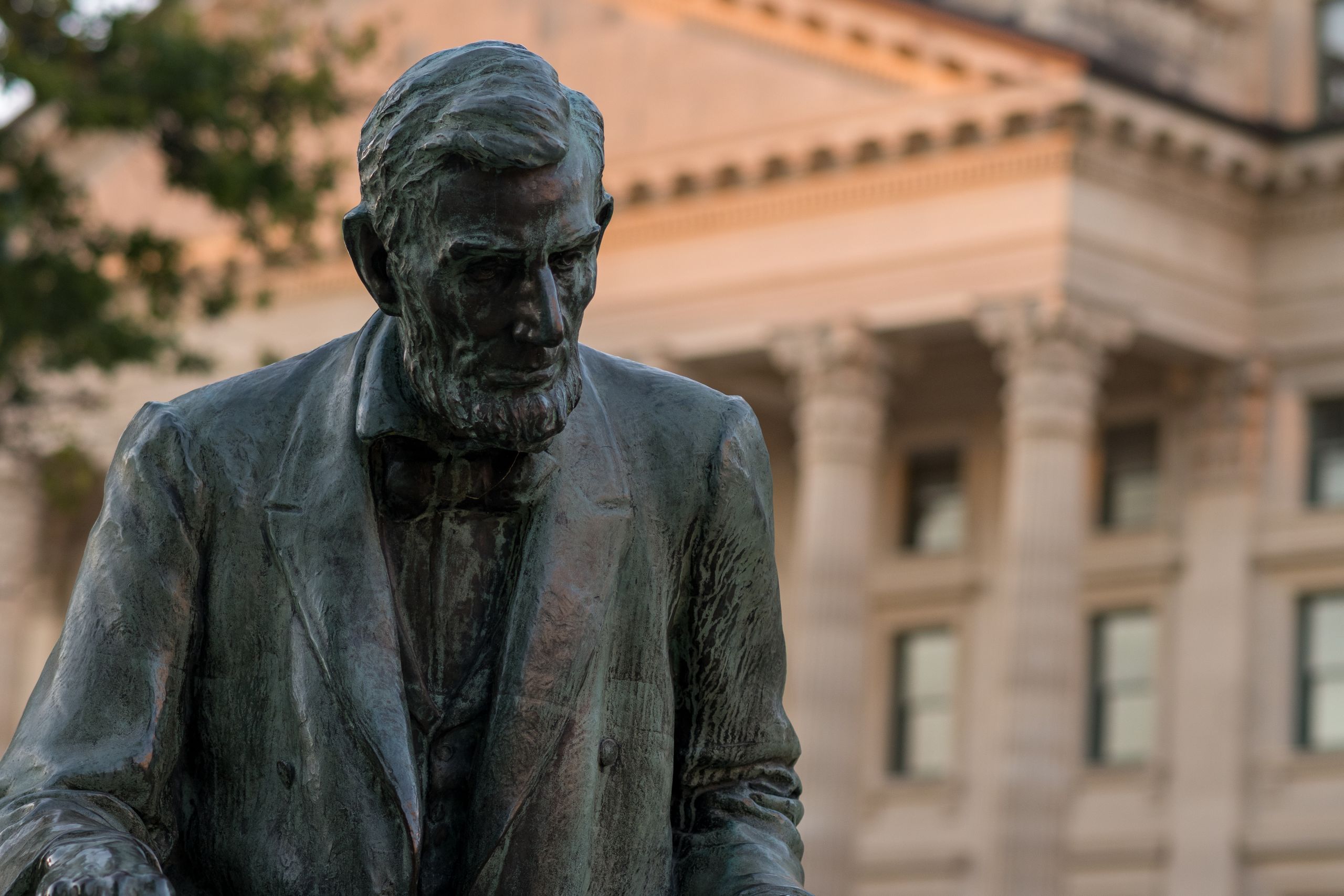
Lincoln’s record with Native Americans receives far less attention than his Civil War legacy, but it belongs in any honest account. After the U.S.-Dakota War of 1862, military trials sentenced hundreds of Dakota men to death. Lincoln reviewed the cases and commuted most of the sentences, but he still approved the execution of 38 Dakota men in Mankato, Minnesota.
That execution remains the largest mass execution in United States history. Some defenders note that Lincoln reduced the number of people condemned to die. That is true, but it does not erase the deeper context of broken treaties, hunger, settler expansion, and government failure. For Dakota communities, this was not a footnote. It was a wound tied directly to Lincoln’s wartime presidency.
What These Ugly Abraham Lincoln Facts Really Show
The point is not to tear Lincoln down for sport. It is to stop treating history like a patriotic bedtime story. Lincoln was anti-slavery, but he was not always an immediate abolitionist. He helped destroy slavery, but enslaved people. Black soldiers and abolitionists helped force that transformation. He defended the Union, but he also stretched presidential power. He spoke the language of freedom, but his presidency carried painful consequences for Native communities.
That harder version of Lincoln is more useful than the clean one. It shows that progress often comes through pressure, contradiction, courage, and uncomfortable compromise. A country that can study Lincoln honestly is better prepared to understand itself honestly.


