


The post 7 Things Restaurant Menus Reveal Before You Order first appeared on Crafting Your Home
From price placement to the words used to describe a dish, menus reveal a lot about a restaurant’s strategy. Here are seven things they reveal before you order.
What the Restaurant Wants You to Buy

Restaurants often place the most expensive item in a prominent spot to serve as an anchor price. That makes everything below it seem more reasonable by comparison.
Eye-tracking studies show diners tend to look at the top-right corner first, making it prime real estate for high-margin items or promotions. If a dish is boxed, shaded, or highlighted, the restaurant is likely signaling that it considers it a specialty.
How Much Thought Went Into the Food
Longer, more detailed descriptions sell more food. Descriptions of 20 to 40 words tend to perform best, while shorter ones feel incomplete and overly detailed ones overwhelm readers.
Specific descriptors outperform generic ones. A “grass-fed beef burger with aged cheddar” sells better than a “cheeseburger,” even when the ingredients are identical.
Sensory language activates different brain regions than plain labels, creating anticipation before the food arrives.
Words like “creamy” or “succulent” can increase the likelihood of an order. Descriptive dish names can increase sales by up to 27% in some cases.
Whether the Restaurant Is High-End or Casual
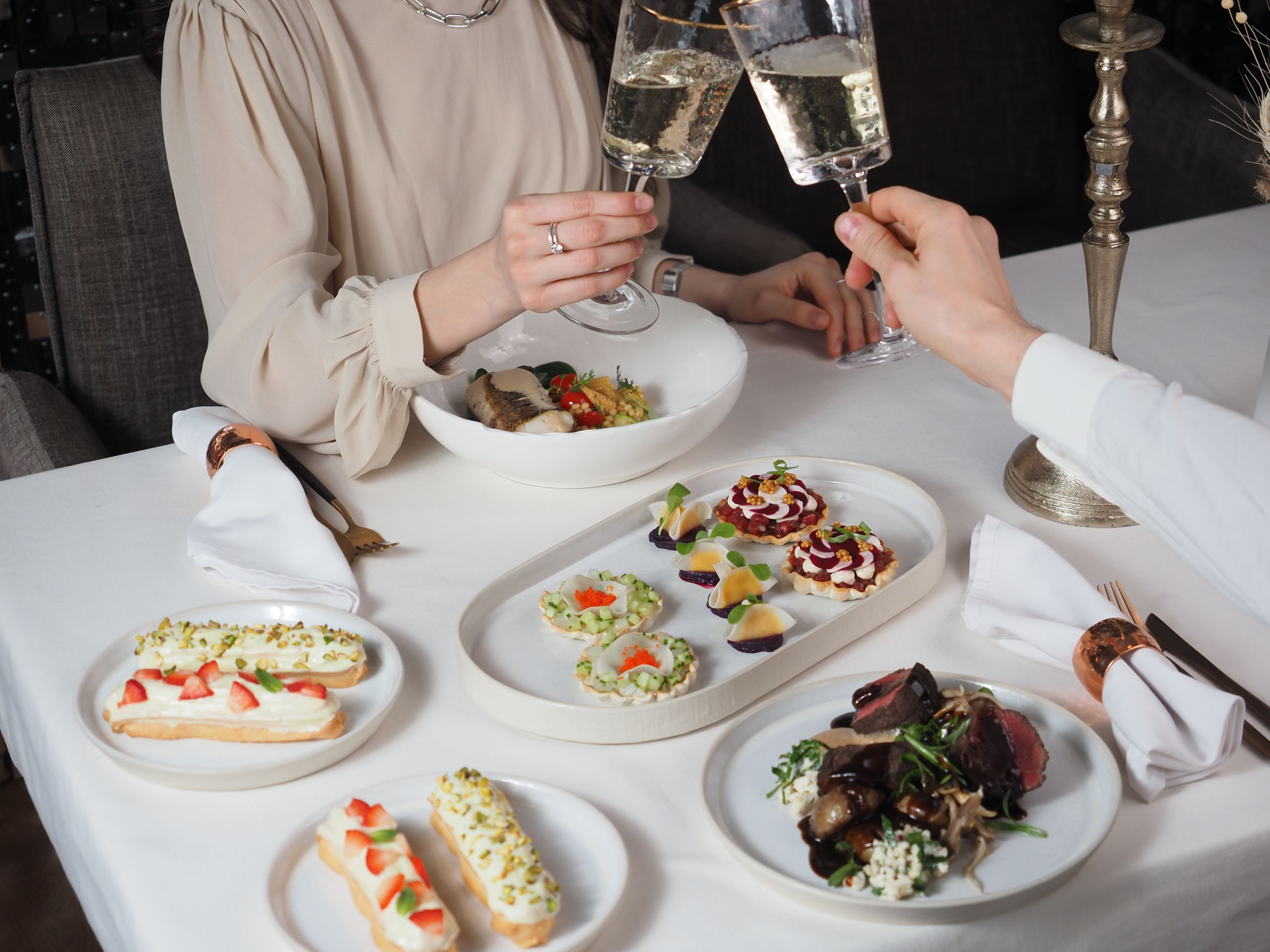
More expensive restaurants tend to avoid food photos, using drawings instead if they include any at all. Casual chains like Denny’s or Applebee’s are more likely to use color photos.
The typeface also conveys a message. Italic fonts can suggest quality. The overall design, from font choice to layout, signals whether the restaurant is aiming for fine dining or a more relaxed atmosphere.
Realted:12 Common Etiquette Blunders to Avoid at a Steakhouse: Are You Guilty?
How the Kitchen Wants You to Build Your Meal
Listing appetizers first encourages starters, increasing the average check. The sequence of categories- appetizers, mains, sides, desserts, or snacks, plates, plates to share guides how you structure your order.
A description that lists ingredients straight, like “rigatoni, sausage, broccoli rabe, parmesan,” signals confidence. The kitchen trusts the dish to speak for itself.
Whether Prices Are Designed to Feel Lower
Removing the dollar sign may lead you to think less about price. Listing dishes in a column encourages customers to skim the list and focus on prices rather than dishes, making them more likely to choose cheaper options.
The most expensive item is often placed first to make other prices seem like a bargain. Anchor pricing is a common menu design technique.
Realted:22 Red Flags That Scream ‘Run’ When Dining At A Restaurant
How Many Choices You Should Have

The “paradox of choice” suggests that more options create more anxiety. The golden number is seven options per food category: seven appetizers, seven entrees, and so on.
Too few choices feel limiting, while more than seven items in a category creates decision fatigue. Splitting the menu into sections and subsections helps keep customers from feeling overwhelmed.
What the Restaurant Expects From You
If an item isn’t on the menu, the restaurant doesn’t have it. Removing an ingredient does not mean you will get a credit. Ordering systems are set up to add costs, not deduct them.
Codes like “MP” next to an entree signal that you should ask the server about the market price. The menu also reveals whether the restaurant expects you to order quickly or take your time.
Other post you might like:
American Farm Bureau volunteers price the classic Thanksgiving menu Nov. 1-5, with the 2026 dinner cost results due Nov. 18
8 Forgotten Childhood Foods That Should Be Part of Everyone’s Menu
If you like what you just read, then subscribe to our newsletter and follow us on social media.


