


The Post: 7 Things Grandparents Should Never Post About Their Grandkids Online first appeared on Crafting Your Home
Grandparents naturally want to celebrate the little moments that make family life special: a first day of school, a funny story, a holiday memory, or a proud achievement. But before sharing that adorable photo or update, it is worth asking one simple question: could this post reveal more about a child than intended?
Sharing family joy online does not mean giving up every photo or milestone. The key is protecting a grandchild’s privacy, dignity, and future digital footprint. A few details that seem harmless on their own can become more revealing when combined with other information.
Here are seven things grandparents should think twice about posting.
1. Full names, birthdays, and personal details
A birthday tribute may seem like a sweet way to show love, but including a child’s full legal name, exact birth date, hometown, address, or other identifying details can create unnecessary privacy risks.
The Federal Trade Commission (FTC) warns that children’s personal information, including names, addresses, dates of birth, and Social Security numbers, can be misused for identity theft.
A simple post with a child’s name, birthday, location, and family details may reveal more than a grandparent realizes.
Before posting, skip details that could help build a child’s profile. A loving message does not need to include an entire identity checklist.
2. Live locations and daily routines
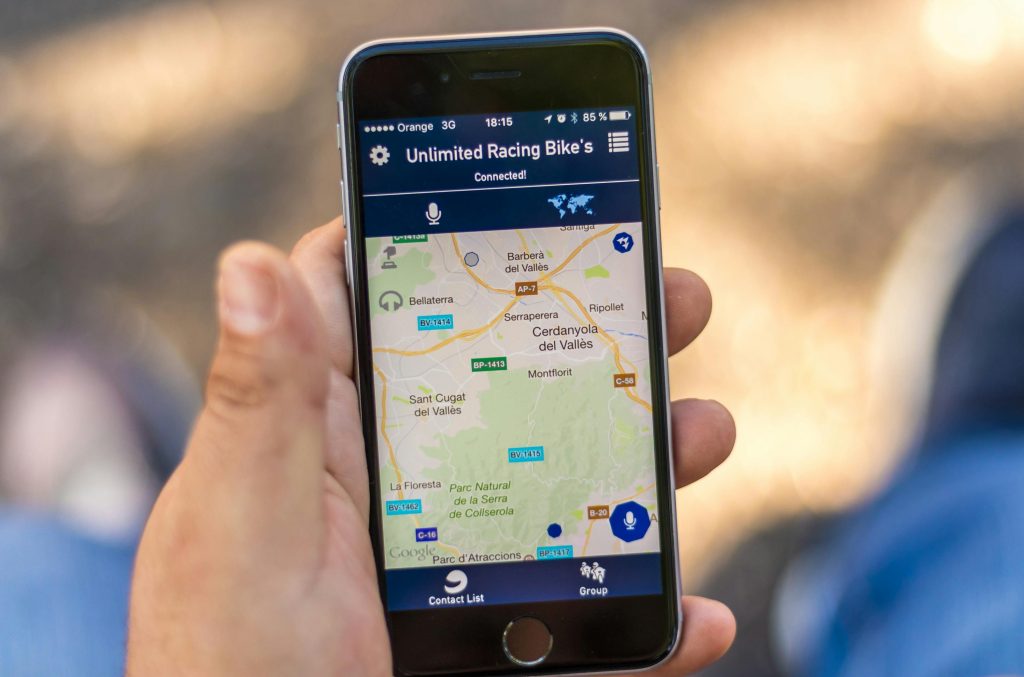
A photo from a favorite park or a fun family outing may look harmless, but location clues can sometimes reveal where children spend their time.
Avoid posting real-time check-ins, photos showing house numbers, street signs, license plates, or captions that reveal predictable schedules. Even a pattern of regular posts about the same playground, activity, or pickup routine can reveal a child’s routine.
The American Academy of Pediatrics (AAP) highlights location and daily routines as examples of information families should consider carefully before sharing online.
A good rule: share the memory, not the map.
3. School, sports, and activity identifiers
Grandparents are often among the proudest supporters at school events, games, performances, and activities. However, a photo showing a school logo, team jersey, name tag, class information, or schedule details can reveal more than intended.
A picture celebrating a child’s achievement does not need to include clues about where that child goes, when they are there, or what activities they attend.
Consider cropping images to remove recognizable details. Celebrate the accomplishment without sharing the itinerary.
4. Embarrassing stories and “funny” moments
That hilarious toddler story may be a favorite family memory, but children grow up. A moment that makes adults laugh today may feel uncomfortable to a child later.
Avoid posting stories about embarrassing situations, discipline issues, awkward moments, personal struggles, or images that a child may not want attached to their name in the future.
The AAP encourages adults to think about whether a child could feel embarrassed now or later and whether a post adds something permanent to their online history.
If the joke depends on the child being embarrassed, it may be better saved for a private family conversation.
Related: Why You Still Remember Embarrassing Moments From Decades Ago
5. Private personal information about a child’s challenges
Some parts of family life belong inside the family, not on a public feed. This includes personal information about a child’s private experiences, family situations, or sensitive matters.
Even well-intended posts asking for support or sharing updates can reveal details a child or parent may prefer to keep private.
The AAP recommends being thoughtful about what is shared and considering a child’s privacy and future feelings. A grandparent’s desire to update friends and relatives should always be balanced with the child’s right to personal boundaries.
6. Vulnerable photos
Bath-time pictures, diaper photos, changing-room images, and other moments where a child is partially dressed or vulnerable should stay offline.
Even innocent family photos can lose their original context once shared online. Images can be copied, saved, or redistributed beyond the audience a grandparent originally intended.
The Department of Justice advises families to be cautious about sharing children’s photos and videos publicly or with people they do not know personally.
A simple test: would this photo protect the child’s dignity if it were seen years from now?
7. Anything parents or children have not approved
One of the easiest rules to follow is also one of the most important: ask first.
Parents may have their own privacy preferences about photos, announcements, travel plans, and family updates. Older children and teenagers may also want a say in what images and stories about them appear online.
The AAP recommends involving children in sharing decisions when appropriate and using these moments to teach respect for consent and privacy.
Grandparent pride is wonderful, but it should not come before a child’s comfort.
Safer ways to share the joy
Grandparents can still celebrate grandchildren online while keeping privacy in mind. Consider using a private family album or invite-only group instead of a public post. Share photos after an event rather than while it is happening.
Remove location tags, crop out identifying details, and use simple captions without personal information.
Sometimes the best photo focuses on the activity rather than the child’s identity: a pair of hands creating artwork, a favorite toy, or a family moment from behind.
The most meaningful family memories do not need a public audience to matter.
You can share the love while still protecting the people who matter most.
Other Posts You Might Like
- 10 Worst Things People Post on Their Stories Without Realizing Everyone Is Judging
- 10 Boomer Opinions That Spark the Biggest Online Arguments With Younger Generation
If you like what you just read, then subscribe to our newsletter and follow us on social media.


