

The post 7 Space Heater Safety Rules Fire Experts Say Everyone Should Follow This Winter first appeared on Crafting Your Home.
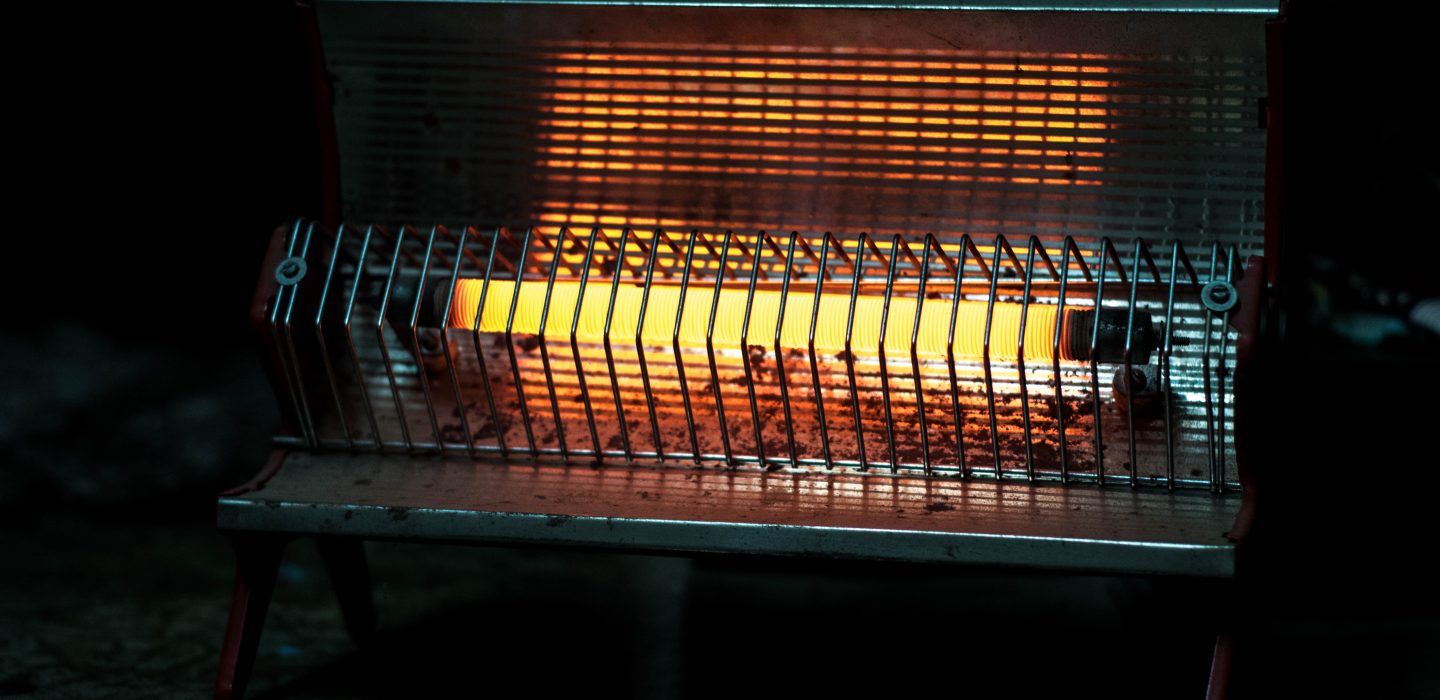
Space heaters are cheap, portable, and a great way to warm up a cold room. They are also one of the most dangerous things in a home when they are misused.
The National Fire Protection Association reports that from 2019 to 2023, U.S. fire departments responded to an estimated average of 38,881 home heating equipment fires each year.
Those fires caused 432 civilian deaths, 1,352 injuries, and $1.1 billion in property damage each year. Nearly half (46 percent) happened between December and February.
Space heaters and heating stoves caused 29 percent of those fires but accounted for 77 percent of the deaths and 71 percent of the injuries.
The Red Cross says home fire responses are 30 percent higher in cold months than at other times of year. Here are seven rules from fire safety experts.
Where and How to Use a Heater
Keep everything that can burn at least three feet away
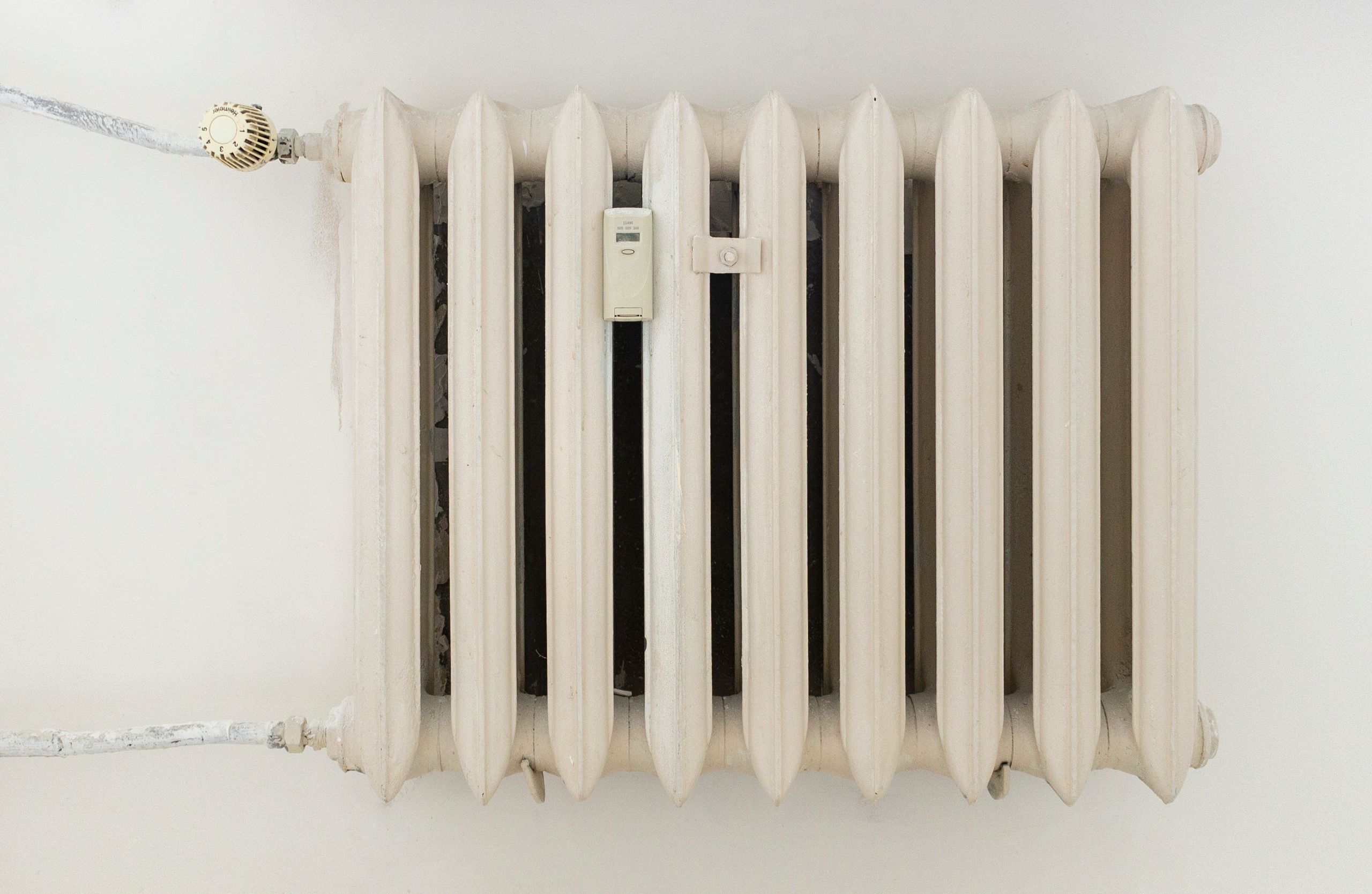
The NFPA’s first rule applies to all heating equipment, including space heaters, furnaces, fireplaces, and wood stoves. The three-foot zone includes furniture, drapes, electronics, and anything else that can burn.
The NFPA has also found that more than half of home heating fire deaths, 53 percent in an earlier report, came from fires that began when heating equipment was too close to things that can burn, such as upholstered furniture, clothing, mattresses, or bedding.
It also recommends a three-foot “kid-free zone” around space heaters and open fires and says pets should stay out of it, too.
Related: Unseen Dangers: Firefighters Share 13 Hidden Fire Risks Lurking in Your Home
Plug a space heater directly into a wall outlet
Consumer safety groups say never to run a space heater through an extension cord or a power strip. Both can overheat when they carry the heavy electrical load a heater draws.
The Red Cross gives the same advice, telling people to plug space heater cords directly into outlets. It is an easy rule to break in a room with only one outlet, so move the heater, or the furniture, to a spot where it can reach the wall.
Turn it off when you leave the room or go to sleep
Leaving a heater unattended is a leading cause of fires, according to a consumer safety group summary of federal data. The Red Cross says to turn the space heater off every time you leave the room or go to bed.
Consumer safety guidance also says space heaters should never be set up near a sleeping person, because of the risk of fire and carbon monoxide poisoning. If you want the room warm at bedtime, heat it in advance and turn the heater off before you get into bed.
Related: NOAA Just Released Its Winter Outlook — and a ‘Very Strong El Niño’ Could Change Your Winter
What to Buy, Maintain and Plan
Buy a heater with the right safety features
The NFPA recommends choosing a heater with a seal from a qualified testing laboratory, a thermostat, and overheat protection. It should also have an automatic shut-off that turns the heater off if it tips over.
Consumer safety groups add that a sturdy cord of at least six feet is a good sign. If your current heater lacks these features, replacing it is a worthwhile expense.
Never use the oven to heat your home, and use only the right fuel
Missouri’s fire safety agency lists “never use your oven to heat your home” among its core rules. For fuel-burning heaters, it says to use only the fuel type the manufacturer specifies.
Fuel-burning heaters also bring a carbon monoxide risk, so they need proper ventilation and a working carbon monoxide alarm nearby. When in doubt, follow the manufacturer’s instructions exactly.
Related: How to Install an Electric Baseboard Heater Thermostat
Have heating equipment and chimneys inspected every year
The NFPA recommends that a qualified professional clean and inspect heating systems and chimneys annually. Missouri’s agency says the same about equipment and chimneys.
If you use a fireplace, the Red Cross advises using a glass or metal fire screen to keep embers in, and never leaving a fire burning unattended. Schedule the inspection before heating season gets underway, since contractors get busy in cold weather.
Have a plan for when things go wrong
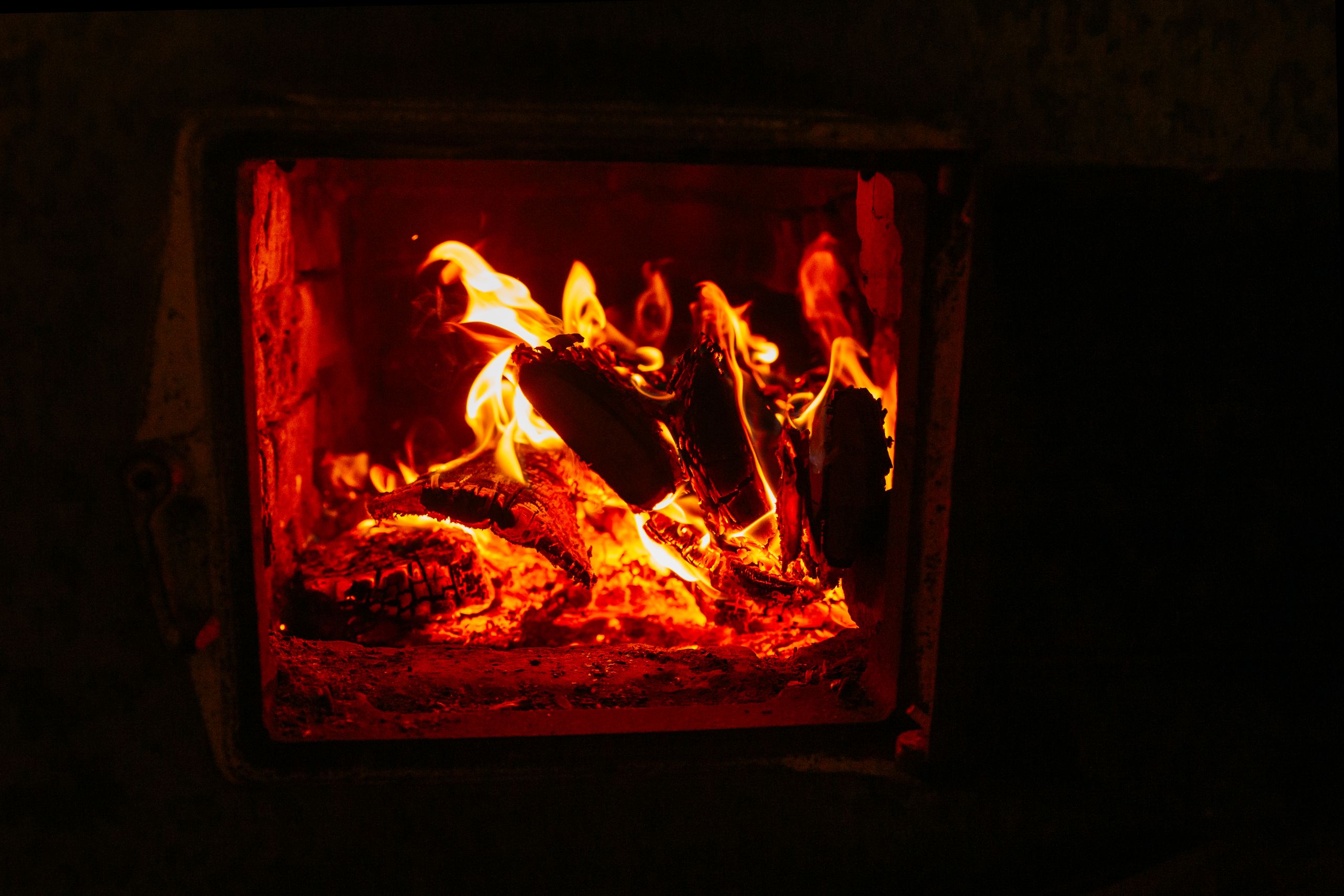
The NFPA says people may have as little as two minutes to escape a home fire from the time the smoke alarm sounds.
The Red Cross recommends practicing a two-minute home fire escape plan, testing smoke alarms monthly, and keeping at least three feet of space around all heating equipment.
Make sure every household member knows two ways out of each bedroom, and agree on an outside meeting place. Add a carbon monoxide alarm if you heat with fuel.
Conclusion
Almost every rule on this list comes down to distance, attention, and equipment. Keep heaters away from things that burn, plug them in properly, turn them off when you aren’t watching, and buy ones with the safety features that matter.
A little care costs far less than the losses that heating fires cause every winter. The simplest check is also the most effective, so look around your home tonight and move anything flammable at least three feet from every heater.