


Steven Spielberg built his career making the impossible feel real. From the innocent wonder of E.T. to the haunting suspense of Close Encounters, he taught generations to believe in life beyond Earth. Now, the legendary filmmaker is saying something that may make even his biggest fans uneasy: the evidence pointing to extraterrestrial life seems too strong to ignore.
For decades, Spielberg treated aliens as imagination made cinematic. But today, the reports, testimonies, and official data around unidentified aerial phenomena (UAPs) have him reconsidering what’s purely fiction. This isn’t hype; it’s the man who shaped how millions perceive the cosmos, suggesting that the universe may be hiding more than we realize.
Circumstantial Evidence Is Mounting
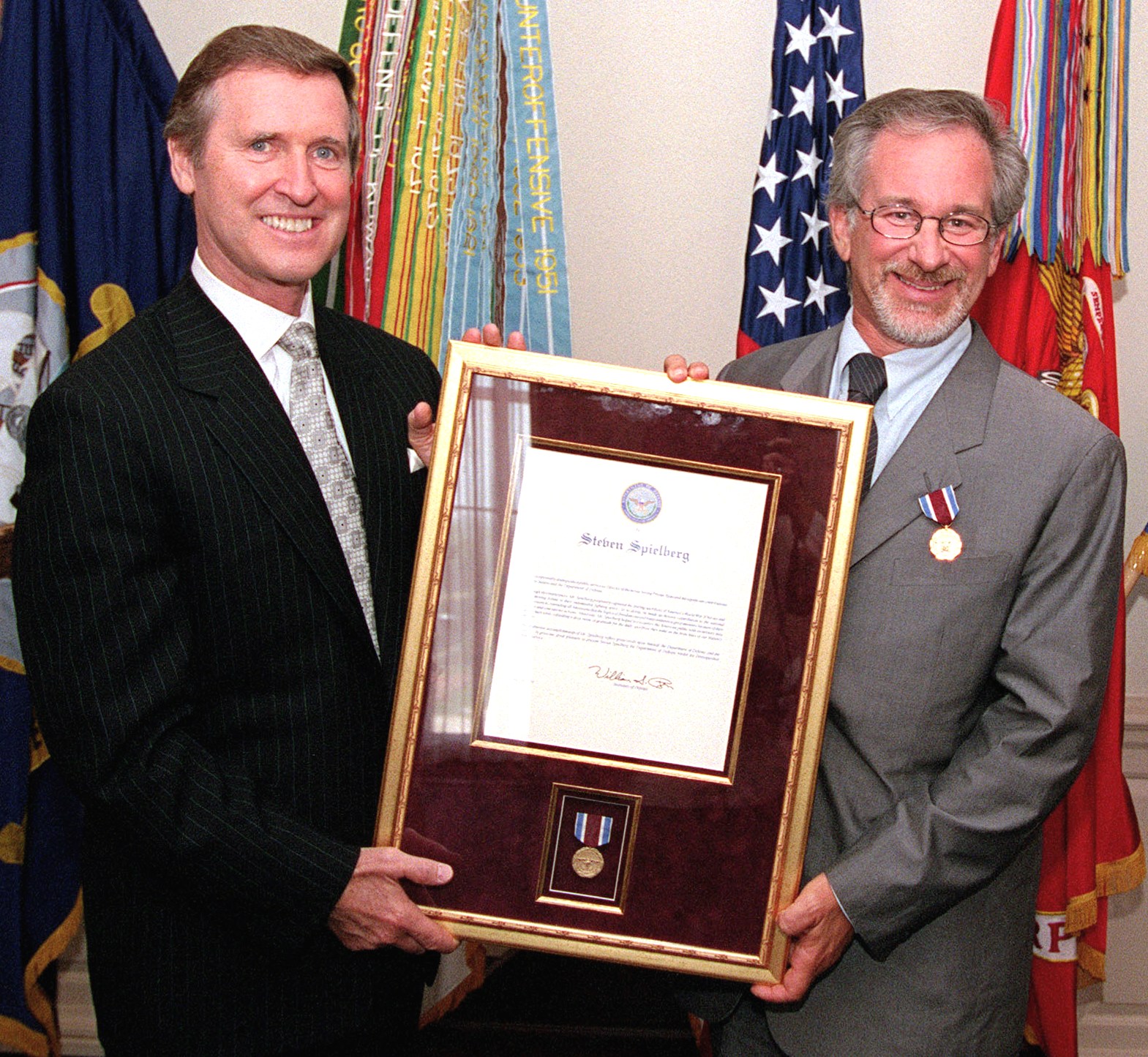
Spielberg hasn’t claimed to have personally seen aliens. Instead, he points to a growing pile of circumstantial evidence, from declassified government documents to pilot sightings, that makes dismissing the idea harder than ever. Unlike tabloids or social media theories, these are real-world observations that have caught the attention of experts and lawmakers alike. For a filmmaker famous for turning “maybe” into unforgettable stories, this feels like a pivotal moment.
Official Reports Are No Longer Whispered
What was once fringe speculation is now discussed in Congress and the Pentagon. UAPs are being treated seriously at the highest levels of government. Military pilots are coming forward, and intelligence reports are being declassified. Spielberg sees this as a significant shift: what Hollywood once imagined is now entering reality with institutional acknowledgment.
Pop Culture Is Catching Up
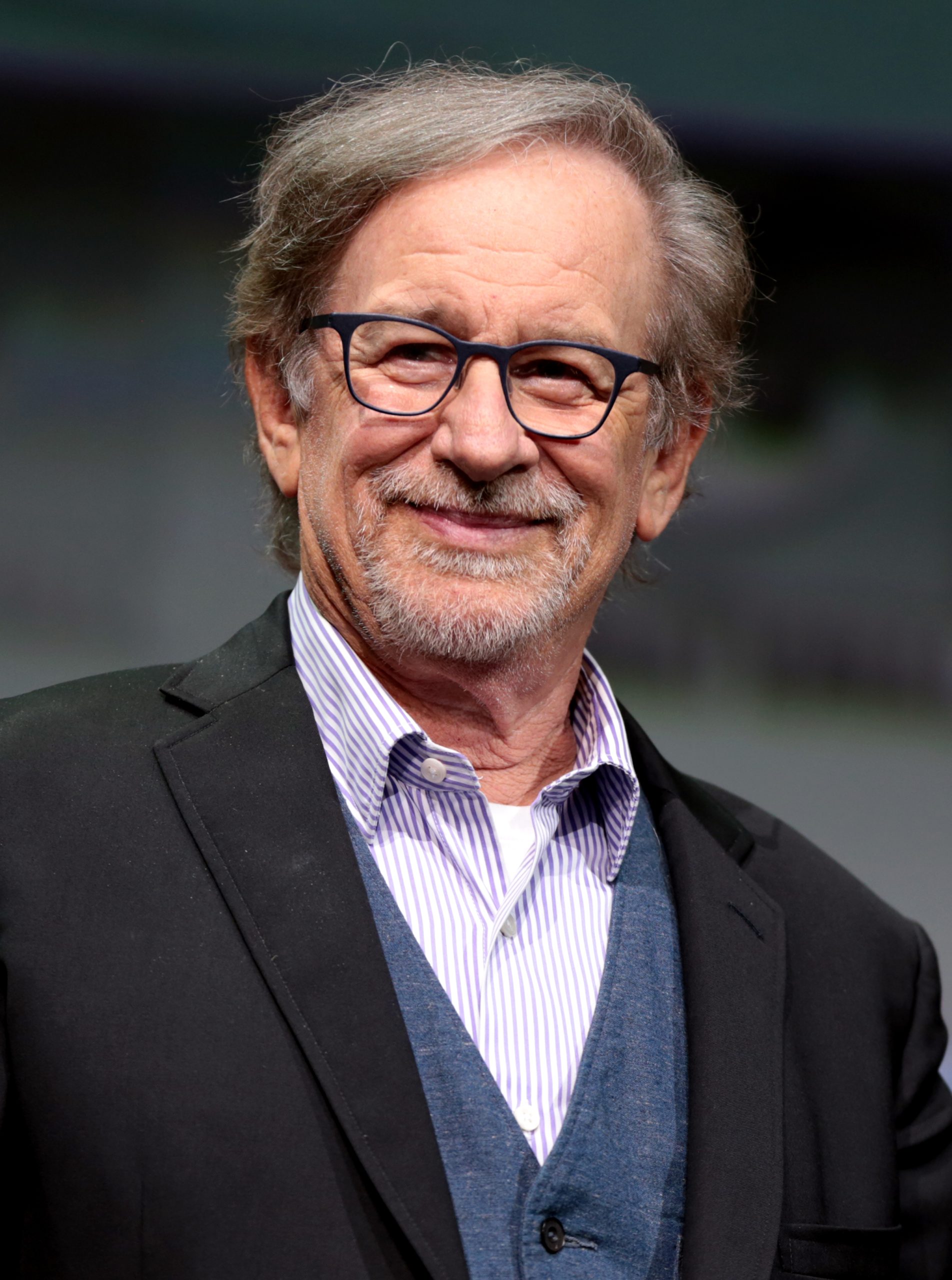
Disclosure Day, Spielberg’s latest film, dives deep into hidden truths, whistleblowers, and secret evidence of extraterrestrial contact. Starring Josh O’Connor, Emily Blunt, Colin Firth, and Colman Domingo, it’s a thriller that mirrors the real-world tension around what we don’t know. Spielberg isn’t just telling a story; he’s reflecting a world that may be increasingly obsessed with what could already be in our skies.
Skepticism Isn’t Enough
Even skeptics are being forced to reckon with repeated unexplained phenomena. Spielberg stresses that ignoring the evidence isn’t an option. The data may be circumstantial, but its consistency makes it hard to write off entirely. For the public, this means questioning what has long been dismissed as fantasy or paranoia.
Human Curiosity Is Pressuring Disclosure
The more the public demands answers, the more pressure there is on institutions to explain what they know. Spielberg sees this cultural momentum as important: society is no longer content to accept the unknown silently. His film channels this unease, showing audiences what happens when truth collides with secrecy.
Hollywood’s Vision Becomes Reality
Spielberg’s own career shows how fiction shapes perception. By turning aliens into emotional, relatable figures, he prepared audiences to consider the impossible. Now, the real world is starting to mirror those films: sightings, whistleblowers, and official acknowledgment are prompting a reconsideration of what’s possible, and Spielberg is front and center in that conversation.
The Line Between Fantasy and Reality Is Blurring
The most unsettling part of Spielberg’s stance is the subtle warning beneath it. He’s not claiming aliens are here, but he’s suggesting the evidence can no longer be ignored. For Americans, that means the comforting separation between sci-fi and daily life may be shrinking. What Spielberg once imagined for entertainment might be closer to the truth than anyone wants to admit.
World to Reconsider What We Dismiss
Steven Spielberg is inviting the world to reconsider what we dismiss as impossible. The alien question is no longer just a movie plot; it’s a cultural conversation, a challenge to skepticism, and a reminder that reality may be stranger than fiction. Whether Disclosure Day delivers answers or raises more questions, one thing is clear: the universe may be hiding secrets, and Spielberg is daring us to look closer.


