As we age, maintaining good health becomes even more important, including nourishing our bodies with the right foods. But with so much information out there, it’s easy to get overwhelmed by what’s best for your health.
Here are 7 safe nutrition tips for older adults that will help you fuel your body with the nutrients it needs to stay strong, active, and vibrant.
Prioritize Protein for Muscle Health
Photo Credit: margouillat via 123RF
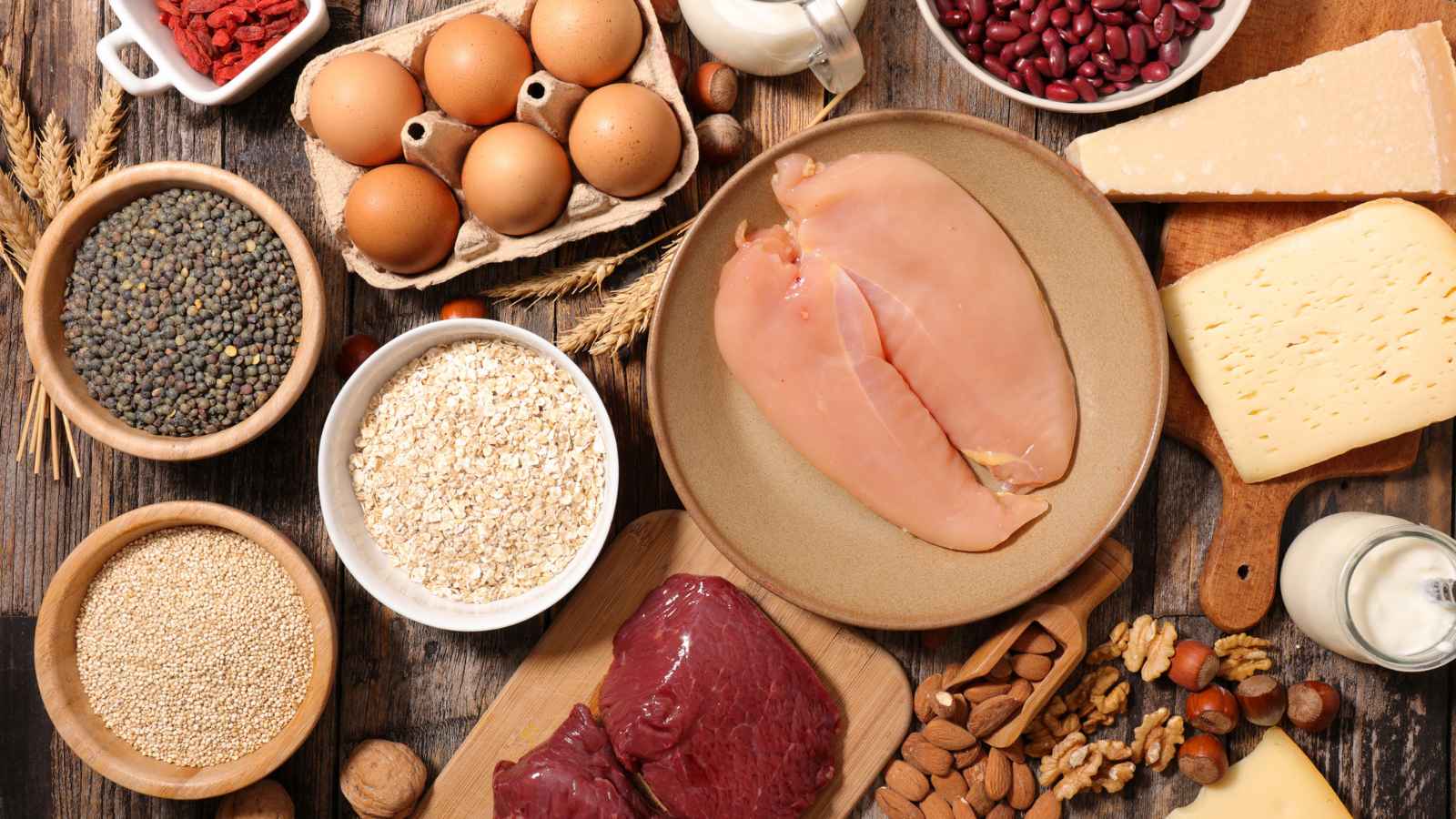
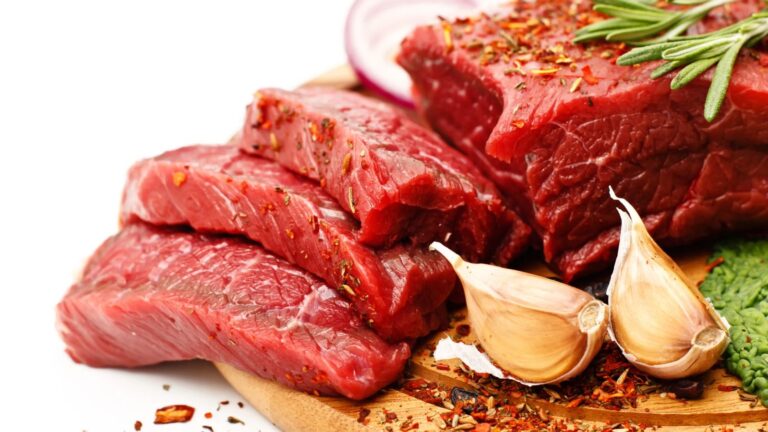
As we age, our muscle mass naturally declines, which can affect strength, mobility, and overall vitality. To combat this, include a variety of protein-rich foods in your diet, such as lean meats, fish, eggs, dairy products, legumes, and plant-based proteins like tofu and quinoa. Protein not only supports muscle health but also helps keep your immune system in top shape.
Choose Whole Grains Over Refined
Whole grains are packed with fiber, which is essential for digestion, heart health, and controlling blood sugar levels. Try replacing refined grains, such as white bread and pasta, with whole grains like oats, brown rice, quinoa, and whole-wheat bread. These grains help maintain energy levels and keep you feeling fuller for longer.
Eat a Rainbow of Vegetables and Fruits
Image Credit:123RF Photos
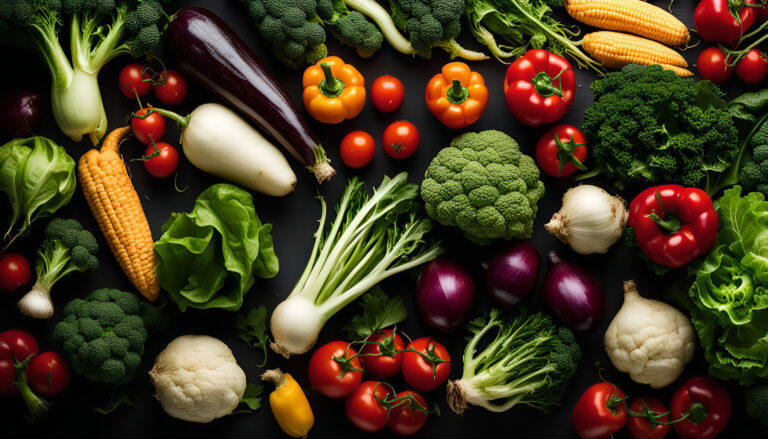
The more colorful your plate, the more nutrients you’re likely to get. Vegetables and fruits are rich in vitamins, minerals, and antioxidants, which protect your cells from damage and promote healthy aging. Aim to fill half your plate with a variety of vegetables, such as leafy greens, bell peppers, carrots, and berries.
Each color represents a different set of nutrients, so mix it up to get the full spectrum of health benefits.
Limit Sodium for Heart Health
High sodium intake is linked to high blood pressure and increased risk of heart disease, conditions that are common in older adults. To lower your sodium intake, focus on cooking fresh meals at home and limit processed foods, canned soups, and salty snacks. Opt for herbs and spices like basil, oregano, and garlic to add flavor without the added salt.
Stay Hydrated, Especially with Age
Image Credit: marctran/123rf Photos
Hydration is critical at all ages, but older adults are at higher risk of dehydration due to changes in their ability to conserve water. Make sure you’re drinking plenty of water throughout the day. You can also hydrate through water-rich foods like cucumbers, oranges, and soups.
Avoid excessive caffeinated drinks and sugary sodas, which can contribute to dehydration.
Embrace Healthy Fats
Healthy fats are vital for brain function, heart health, and the absorption of essential vitamins. Include sources of unsaturated fats in your diet, such as avocados, olive oil, nuts, seeds, and fatty fish like salmon and mackerel. These fats help keep your cholesterol levels in check and can even improve cognitive function, supporting a sharp mind as you age.
Keep Your Bones Strong with Calcium and Vitamin D
ImageCredit:123RF Photos
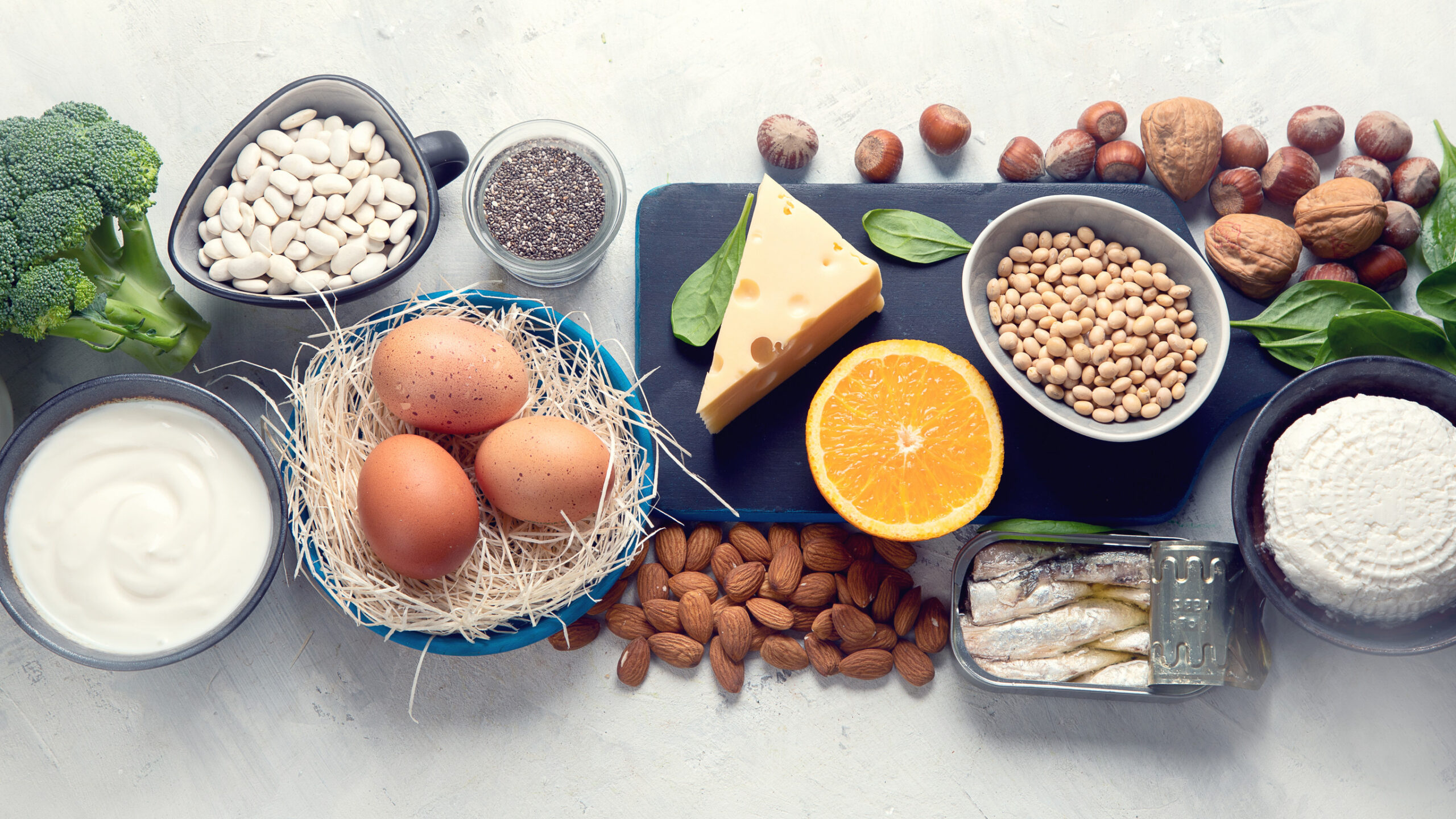
As we age, our bones naturally become more brittle, making it essential to get enough calcium and vitamin D to keep them strong. Dairy products, fortified plant milks, leafy greens, and calcium-rich tofu are great sources of calcium, while vitamin D can be found in fortified foods, fatty fish, and sunlight. Together, these nutrients help prevent bone loss and reduce the risk of fractures.
Final Thought
A healthy diet is one of the best ways to support your aging body, but it doesn’t have to be complicated. By incorporating these nutrition tips into your daily routine, you’re not only nourishing your body but also investing in your long-term well-being. Remember, it’s never too late to make better choices for your health.