


The post 7 Reasons Anxiety Can Become the Third Person in Your Marriage first appeared on Crafting Your Home.
Marriage is often described as a partnership between two people. But for many couples, there is an invisible presence that can quietly influence conversations, decisions, affection, and daily life: anxiety.
Anxiety does not always appear as obvious fear or panic. Sometimes it shows up as constant worrying, emotional distance, irritability, overthinking, difficulty trusting, or the feeling that something is always wrong. Over time, these patterns can create tension between partners, even when both people deeply care about each other.
The challenge is that anxiety rarely announces itself as the problem. Instead, it can disguise itself as arguments about money, communication, household responsibilities, or emotional availability.
For couples, understanding how anxiety affects a relationship can be the first step toward rebuilding connection.
Here are 7 reasons anxiety can become the third person in your marriage.
Related:7 Hidden Causes of Anxiety Often Missed by Women Over 40
Anxiety Can Turn Small Problems Into Major Conflicts
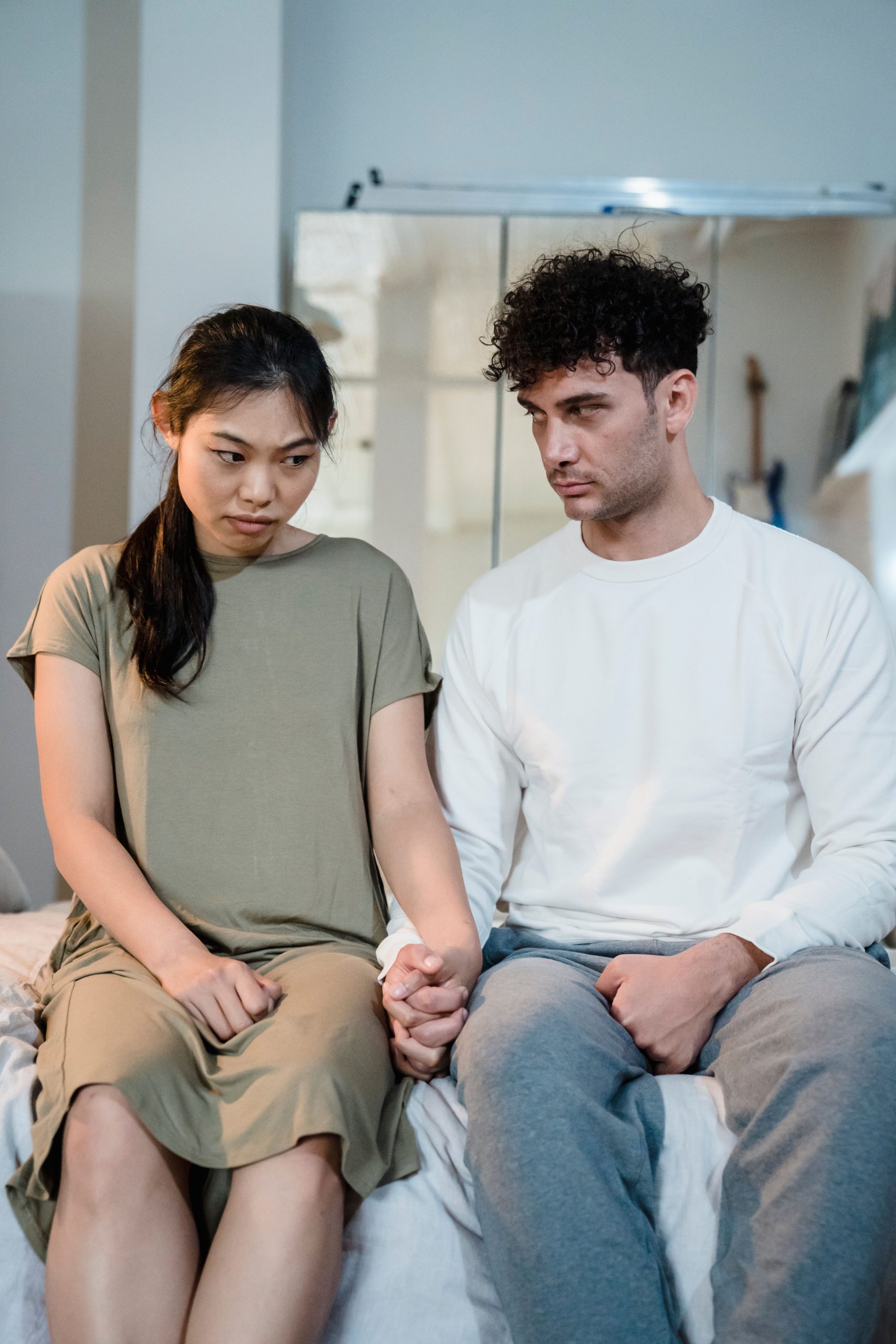
Every marriage experiences disagreements. Differences in opinions, habits, and expectations are normal when you share a life with someone.
However, anxiety can change the way a person interprets everyday situations.
A simple comment from a spouse may feel like criticism. A delayed text message may feel like rejection. A minor disagreement may become evidence that the relationship is in trouble.
When anxiety takes control, the brain often focuses on possible threats rather than realistic explanations.
Instead of asking, “What is happening right now?” an anxious mind may ask, “What could go wrong?”
This constant state of alertness can create unnecessary conflict and emotional exhaustion for both partners.
Related:10 Boomer Opinions That Spark the Biggest Online Arguments With Younger Generation
Anxiety Can Create Emotional Distance Between Partners
One of the most painful effects of anxiety in marriage is that it can make people withdraw.
A partner struggling with anxiety may become quieter, less affectionate, or emotionally unavailable, not because they no longer care, but because their mind is overwhelmed.
They may spend more time worrying internally than engaging with the person beside them.
Over time, the other spouse may start to feel ignored, rejected, or lonely.
The relationship can slowly shift from connection to a place where both people feel misunderstood.
Emotional closeness requires presence, and anxiety can make it difficult to stay fully present.
Related:9 Reasons Emotional Distance Can Be Addictive
Anxiety Can Make Trust More Difficult
Trust is one of the foundations of a healthy marriage, but anxiety can create doubts that feel difficult to control.
A person experiencing anxiety may constantly question:
- “Are we okay?”
- “Does my partner really love me?”
- “What if something changes?”
- “What if I am not enough?”
These thoughts can lead to seeking constant reassurance or interpreting normal relationship moments as signs of a problem.
While reassurance from a partner can be supportive, anxiety often requires deeper understanding and personal coping strategies. Otherwise, couples can become trapped in a cycle where one person constantly seeks comfort and the other feels pressure to provide it.
Anxiety Can Affect Physical and Emotional Intimacy
Intimacy requires relaxation, trust, and emotional safety. Anxiety can interfere with all three.
When someone is overwhelmed by stress, their mind may struggle to focus on closeness and connection. Worries about appearance, performance, the future, or relationship security can create barriers to intimacy.
This does not mean love has disappeared. It means anxiety may be occupying emotional space that would normally be available for affection and connection.
Healthy intimacy often begins with feeling emotionally safe, not simply physically close.
Anxiety Can Change the Way Couples Communicate
Communication is one of the strongest predictors of relationship health, but anxiety can influence how partners talk to each other.
An anxious person may:
- Over-explain situations
- Avoid difficult conversations
- Assume negative intentions
- Apologize excessively
- Become defensive
Meanwhile, the other partner may feel confused about how to respond.
Over time, conversations that should create understanding may become sources of stress.
Learning to identify anxiety-driven reactions can help couples separate the emotional response from the actual issue they are trying to solve.
Anxiety Can Place Pressure on One Partner to Become the “Fixer”
In many marriages affected by anxiety, one partner gradually takes on the role of emotional caretaker.
They may constantly reassure, solve problems, provide comfort, or attempt to prevent their spouse from feeling distressed.
Support between partners is healthy. However, when one person feels responsible for managing all of the other person’s emotions, the relationship can become unbalanced.
A strong marriage involves supporting each other while recognizing that both individuals are also responsible for their own emotional well-being.
Anxiety Can Prevent Couples From Enjoying the Present Moment
Perhaps one of the greatest ways anxiety affects marriage is by stealing today’s happiness through fear of tomorrow.
Instead of enjoying a vacation, a quiet evening, or a meaningful conversation, an anxious mind may focus on future problems.
“What if something happens?”
“What if this does not last?”
“What if things change?”
These thoughts can prevent couples from experiencing the moments that create lasting memories.
Marriage is built through everyday experiences, and anxiety can make it difficult to appreciate them fully.
How Couples Can Protect Their Marriage From Anxiety
Recognizing anxiety’s impact does not mean blaming one partner. Anxiety is a common human experience, and many couples face it together.
Healthy steps may include:
- Talking openly about feelings without judgment
- Learning anxiety triggers as a team
- Creating calm routines together
- Practicing patience and empathy
- Seeking professional support when anxiety becomes overwhelming
Mental health professionals often emphasize that anxiety disorders are treatable and that support, therapy, and healthy coping strategies can improve quality of life and relationships. The National Institute of Mental Health provides information about anxiety disorders, symptoms, and treatment approaches.
The Third Person Can Leave the Marriage
Anxiety can feel like an unwanted guest in a relationship, one that interrupts conversations, affects intimacy, and creates distance between two people who love each other.
But recognizing its presence is powerful.
A marriage does not have to be defined by anxiety. With awareness, communication, and support, couples can learn to face anxiety together rather than allowing it to stand between them.
The goal is not a perfect relationship without challenges.
The goal is a relationship where both partners feel safe enough to face those challenges side by side.
Other Posts You May Like
9 Alarming Things Emotionally Immature People Do That Damage Healthy Relationships
Toxic Behaviors That Push Husbands to Emotionally Shut Down
Top 6 Behaviors That Reveal How You Cope With Emotional Pain
If you like what you just read, then subscribe to our newsletter and follow us on social media.


