


The post 7 Reasons Americans Are Spending More on Halloween Even as Budgets Tighten first appeared on Crafting Your Home.
Halloween is getting more expensive, but Americans aren’t giving up their spooky celebrations. Despite concerns about rising prices and household budgets, shoppers are expected to spend a record $13.5 billion on Halloween in 2026, according to the National Retail Federation (NRF). That’s up from $13.1 billion in 2025.
Yet there’s another side to the story. A LendingTree survey found that 61% of Halloween celebrants planned to skip certain purchases because of economic uncertainty.
So why is total spending still rising?
The answer involves family traditions, elaborate decorations, early shopping, and changing consumer habits. Here are seven reasons Halloween continues to attract substantial spending even as Americans look for ways to save money.
More Americans Are Making Halloween a Household Tradition
Halloween is no longer simply about putting on a costume and collecting candy.
For many American households, the celebration includes decorating the home, carving pumpkins, watching scary movies, and participating in neighborhood activities.
According to the National Retail Federation’s 2026 survey, 74% of consumers planned to celebrate Halloween this year, compared with 69% a decade earlier.
A separate Deloitte survey found that 92% of surveyed U.S. households intended to participate in at least one Halloween activity.
Although the surveys measure participation differently, both highlight Halloween’s broad appeal.
More households taking part in celebrations can help explain why national spending remains strong, even when individual shoppers are watching their expenses.
Halloween Decorations Have Become a Major Expense

Halloween decorating has become a significant part of the holiday’s shopping activity.
American households are expected to spend approximately $4.3 billion on decorations in 2026, according to the NRF.
That’s only slightly less than the projected $4.4 billion for costumes and more than the $4.1 billion expected for candy.
The figures show just how important home decorating has become to Halloween spending.
Pumpkins, outdoor displays, and festive decorations allow families to turn their homes into part of the celebration.
The NRF also found that 42% of consumers planned to decorate their homes or yards this year.
For homeowners and renters, Halloween has become another opportunity to personalize their living spaces and create a festive atmosphere.
These decorating traditions help explain why Halloween spending extends far beyond candy and costumes.
Related Post: Candy and gum push USDA’s sugar-and-sweets price forecast to a 6.5% jump in 2026, just in time for Halloween
Parents Are Spending More Than Many Other Shoppers
For families with children, Halloween can involve several purchases rather than a single costume.
Decorations, candy, costumes, and planned activities can all contribute to the holiday budget.
A 2026 LendingTree survey found that parents with children under 18 expected to spend an average of $269 on Halloween.
By comparison, the average among all Halloween celebrants in that survey was $162.
Deloitte also found that households with children planned to participate in approximately six Halloween activities, compared with four among households without children.
These findings suggest that family participation plays an important role in Halloween’s spending patterns.
Still, higher spending is not universal. Some parents are finding ways to reduce expenses even as they continue celebrating with their children.
Halloween Shopping Is Starting Earlier Every Year
Halloween shopping is no longer limited to the final weeks of October.
The NRF found that 49% of consumers planned to begin buying Halloween items in September or earlier in 2026.
That compares with 34% in 2016.
Some consumers shop early because they enjoy the season, but others are thinking carefully about their budgets.
Among early shoppers, 23% said they started purchasing items ahead of time to spread out expenses. Another 21% were attracted by favorable prices and promotions.
Deloitte’s survey also found that shoppers beginning before mid-August planned to spend 1.7 times as much as late shoppers.
However, this does not mean early shopping automatically causes higher spending. More enthusiastic Halloween shoppers may simply begin preparing sooner.
The trend shows how Halloween has expanded into a longer shopping season, giving consumers more opportunities to purchase decorations, costumes, and other supplies.
Americans Are Hunting for Bargains Instead of Canceling Halloween
Rising prices are changing how Americans shop for Halloween, but they are not necessarily ending their celebrations.
The NRF found that 79% of consumers expected tariffs to push Halloween prices higher in 2026.
In response, shoppers reported plans to compare prices, search for coupons, and purchase reusable or repurposable products.
A separate LendingTree survey found that 85% of Halloween celebrants planned to take at least one money-saving action.
Some intended to buy fewer items, while others planned to establish a spending limit.
Discount stores also remained the leading shopping destination in the NRF survey, attracting 39% of Halloween shoppers.
These findings reveal an important distinction between spending carefully and abandoning a holiday altogether.
For many households, celebrating Halloween and managing expenses are happening at the same time.
Related Post: America’s Favorite Halloween Candy Changed in 12 States This Year — See What Your State Picked
Pet Costumes and New Shopping Habits Are Expanding the Market
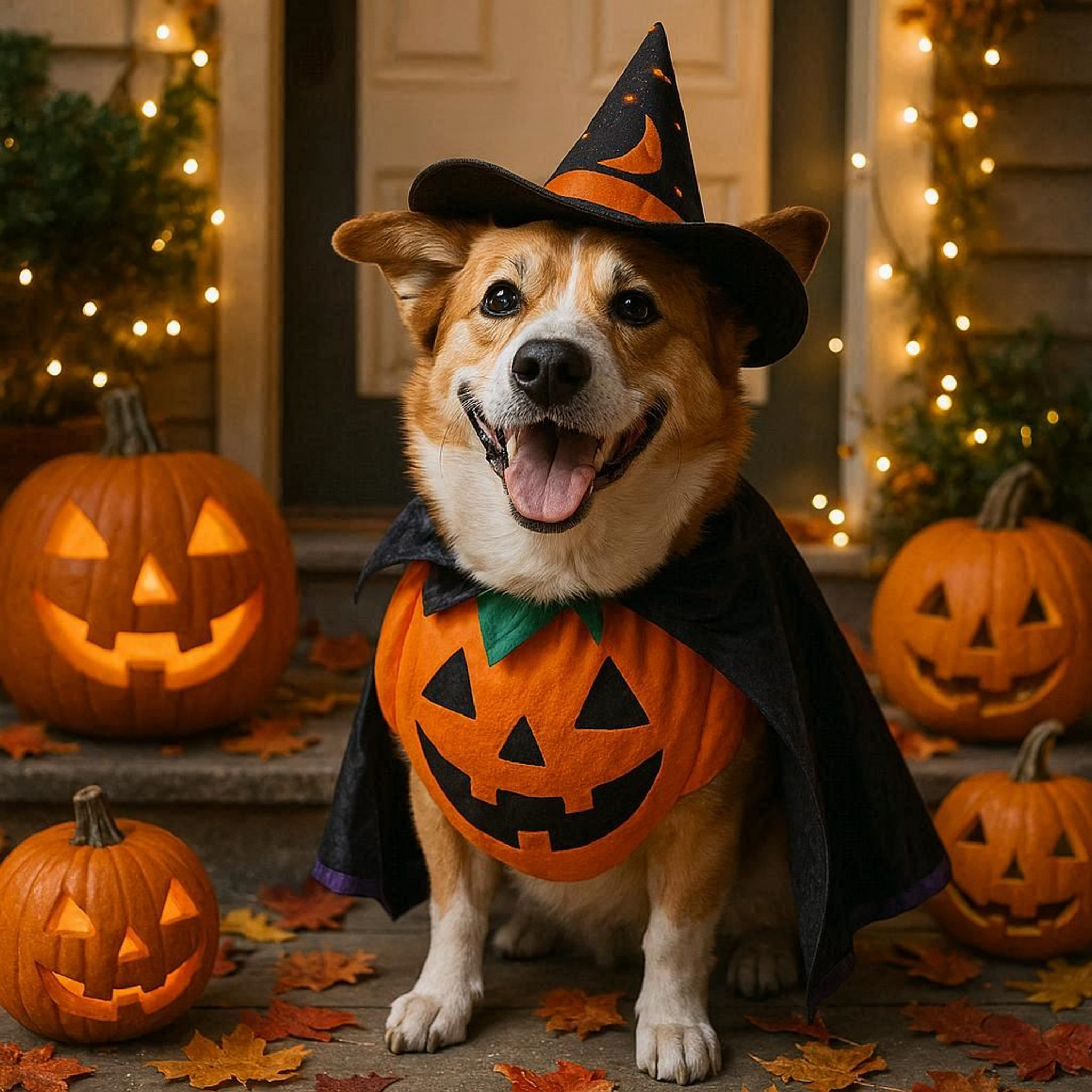
Halloween shopping now includes family pets and new ways of finding celebration ideas.
The NRF projected that Americans would spend approximately $920 million on pet costumes in 2026.
Popular choices included pumpkins, hot dogs, and ghosts.
Technology is also becoming part of holiday planning.
According to the NRF, 47% of consumers planned to use artificial intelligence tools during their Halloween shopping process.
Some shoppers used these tools to brainstorm costume ideas, explore decorating themes, or research products.
Meanwhile, interest in local businesses has increased.
The NRF found that 13% of consumers planned to shop at local and small businesses, compared with 7% in 2016.
These trends show how Halloween purchasing now reaches beyond traditional costumes and candy, giving consumers additional ways to participate in the holiday.
Record Spending Doesn’t Mean Every American Is Spending More
Perhaps the most important detail about Halloween spending is that national totals do not tell the whole story.
The NRF projected average spending of $115.14 per consumer in 2026, slightly above $114.45 in 2025.
However, LendingTree found that Halloween celebrants in its survey expected to spend an average of $162, down from $192 the previous year.
These numbers are not directly comparable because the surveys use different populations and methods.
LendingTree also found that 24% of celebrants expected to take on Halloween-related debt, while 61% intended to skip certain purchases because of economic uncertainty.
This creates a more complicated picture than the record national spending projection suggests.
Some households are increasing their budgets, others are cutting expenses, and many are trying to celebrate without spending more than necessary.
The overall spending increase should therefore not be interpreted as proof that every American family is spending more on Halloween.
What Halloween Spending Reveals About American Households
Halloween in 2026 highlights an interesting balance between celebration and affordability.
Families continue decorating their homes, buying costumes, and participating in seasonal traditions. At the same time, many shoppers are comparing prices, limiting purchases, and searching for ways to make their money go further.
The NRF’s $13.5 billion figure remains a spending projection, not a finalized total for the holiday.
For households preparing for future celebrations, the findings offer a practical reminder that enjoying Halloween does not require matching someone else’s decorating budget or spending habits.
Whether the celebration involves a decorated front porch, a family movie night, or handing out candy, the experience can look different in every home.
Other Posts You May Like
If you like what you just read, then subscribe to our newsletter and follow us on social media.


