7 Proven Ways to Keep Your Kitchen Pest Free
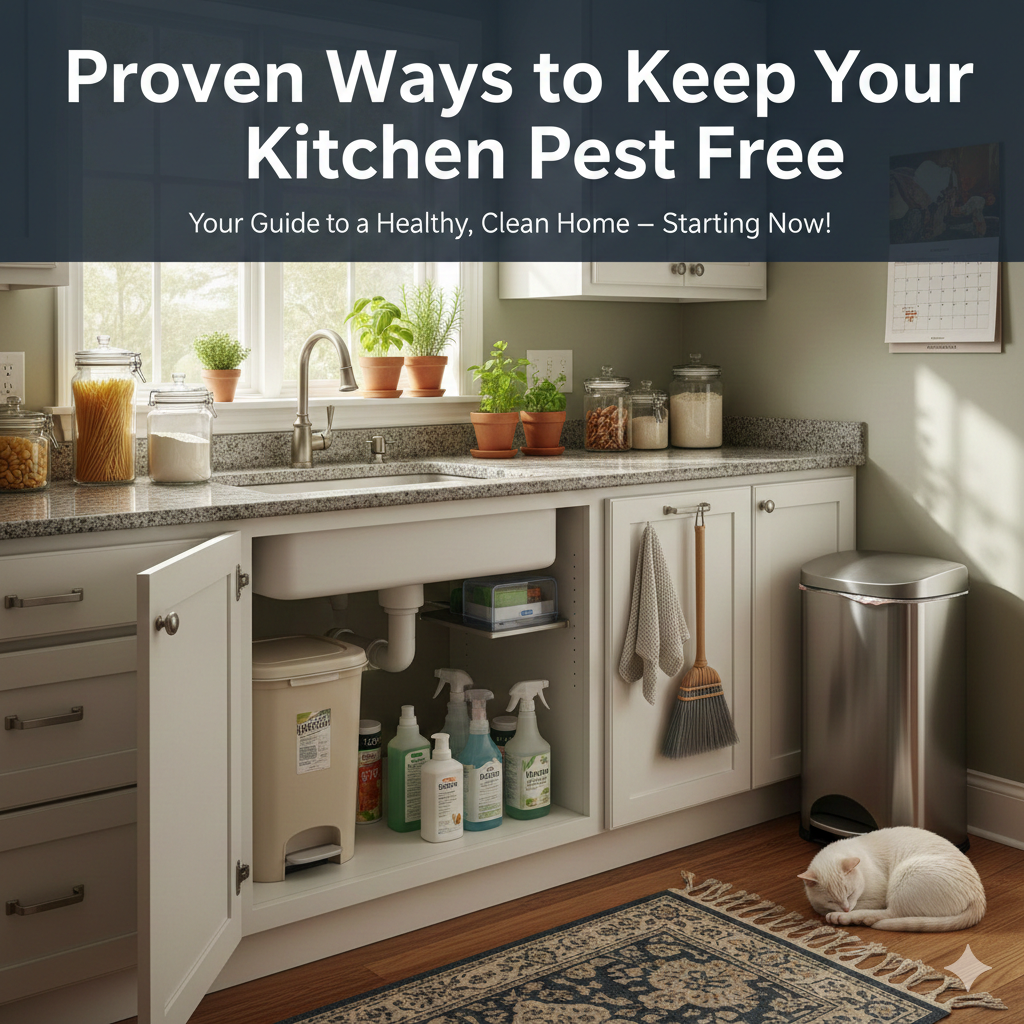
No one likes the idea of sharing their kitchen with unwanted guests. Bugs, especially in your cooking and food storage areas, are not only unsettling but also a health risk.
Whether you’re dealing with ants, cockroaches, fruit flies, or other pests, it’s important to tackle the problem head-on with effective and safe methods.
In this comprehensive guide, we will explore the most reliable ways to keep your kitchen clean, pest-free, and inviting.
Why is it Important to Get Rid of Bugs in the Kitchen?
Before diving into solutions, it’s crucial to understand why pest control in the kitchen is so important. Bugs like cockroaches, ants, and flies can bring harmful bacteria into your food preparation areas.
Roaches, in particular, are notorious for carrying diseases such as Salmonella and E. coli. Additionally, their droppings and saliva can trigger allergies and asthma in sensitive individuals.
The kitchen, being the heart of food preparation, is especially vulnerable to pest invasions. A dirty kitchen or unattended food crumbs act like a beacon for pests, leading them right to your space.
Step-by-Step Guide to Clean and Declutter Your Kitchen
When it comes to pest control, the first line of defense is a clean kitchen. Bugs love clutter and hiding spots. The more mess, the more places they have to scurry about unnoticed. Here’s how you can start:
Clean Every Surface
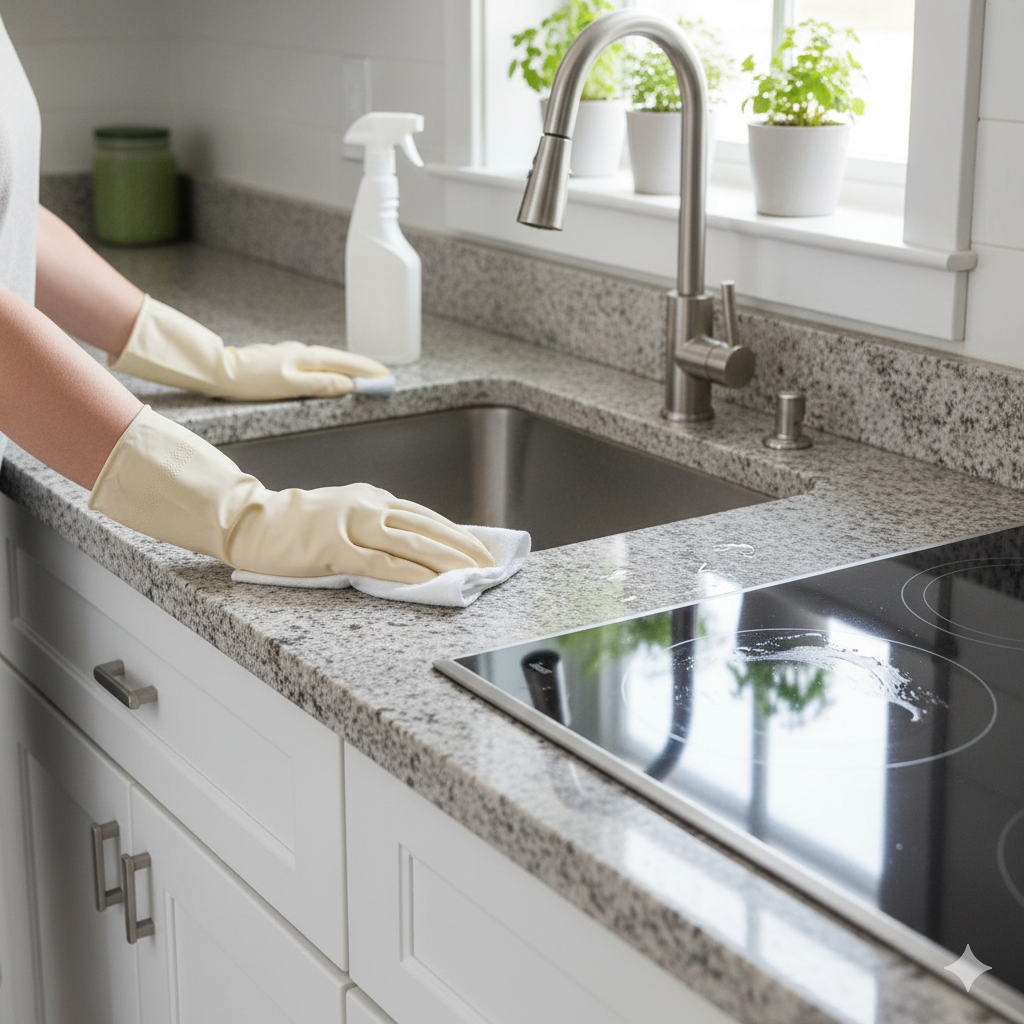
Start by thoroughly cleaning your kitchen surfaces. Wipe down countertops, tables, and cabinet exteriors. Pay special attention to the areas where food tends to spill or accumulate, such as around the sink and stovetop.
It’s essential to clean these surfaces regularly, as any food remnants can attract pests. Use an all-purpose cleaner and scrub every nook and cranny to ensure no crumbs are left behind.
Tidy Up Your Pantry
Your pantry is a prime target for bugs, especially pantry pests like moths and weevils. Start by inspecting all dry food items. Discard anything that’s expired or damaged.
Ensure that all food is stored in airtight containers to prevent easy access for bugs. Wipe the shelves clean and remove any spilled grains or crumbs that may have fallen behind packages.
Empty and Clean the Sink
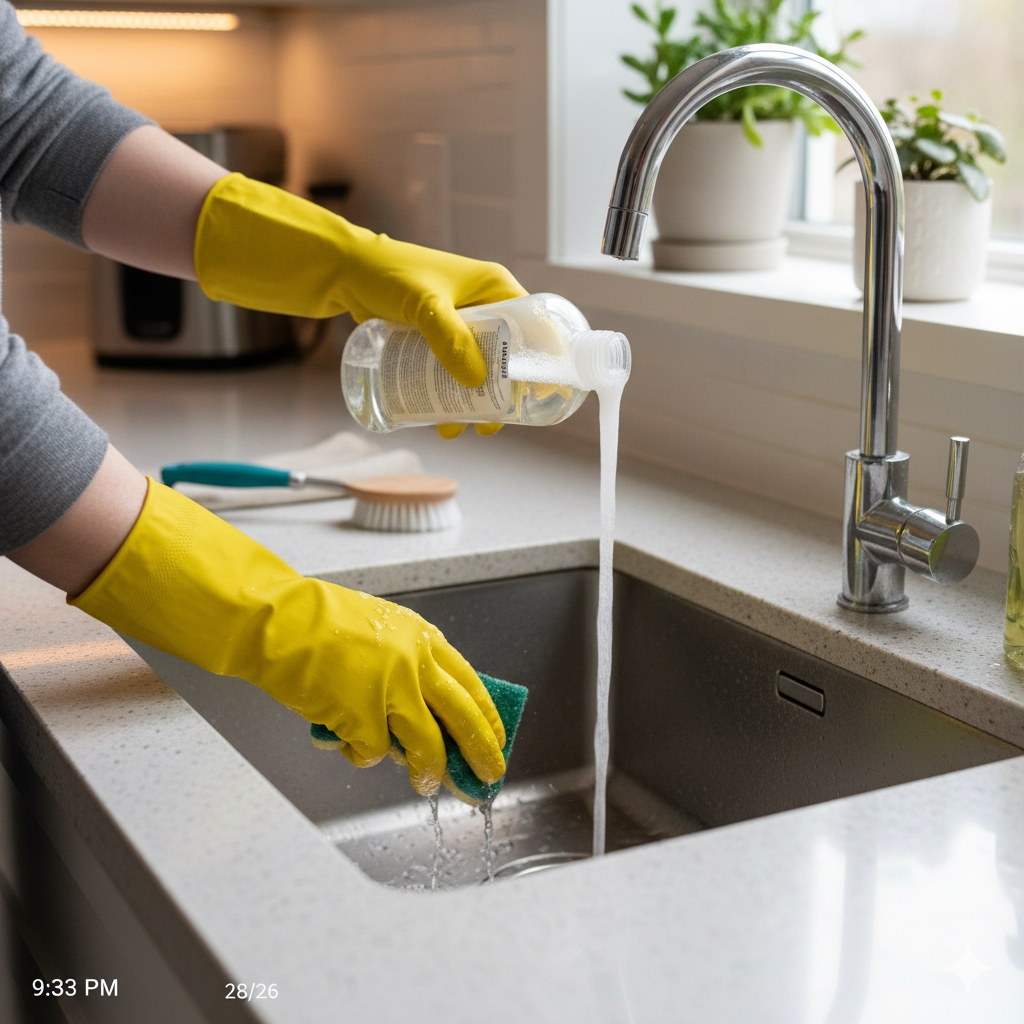
After each use, always rinse and dry your sink thoroughly. Any leftover food particles or grease can attract pests, so make sure to clean the sink with hot water and a gentle cleanser. Don’t forget to clean the drain and garbage disposal. Use a drain cleaner periodically to avoid clogged pipes, which can also become a haven for pests.
Inspecting and Cleaning Hard-to-Reach Areas
Many pests love to hide in dark, forgotten corners of your kitchen. If you want to be thorough in eliminating bugs, make sure to clean the areas you might normally overlook.
Under and Behind Appliances
Fridges, ovens, and dishwashers are hotspots for crumbs, grease, and spills. Move these appliances out of their usual positions and vacuum or wipe the floor beneath them. Don’t forget to clean behind your fridge, where crumbs can accumulate. Cleaning these areas every few weeks will help keep pests at bay.
Cabinet Corners and Crevices
The cabinet beneath the sink is a favorite spot for pests to hide, so make sure you give it a good clean. Empty the cabinet, wipe it down, and inspect for signs of insects. If you find any nests or pests, use a pest-specific spray or powder to eliminate them. Don’t forget to clean out other cabinets as well, ensuring no crumbs or food remnants are left behind.
How to Prevent Bugs from Entering Your Kitchen
Once your kitchen is sparkling clean, it’s time to seal up any potential entry points. Pests can enter through even the tiniest cracks, so it’s crucial to block them.
Seal Cracks and Gaps
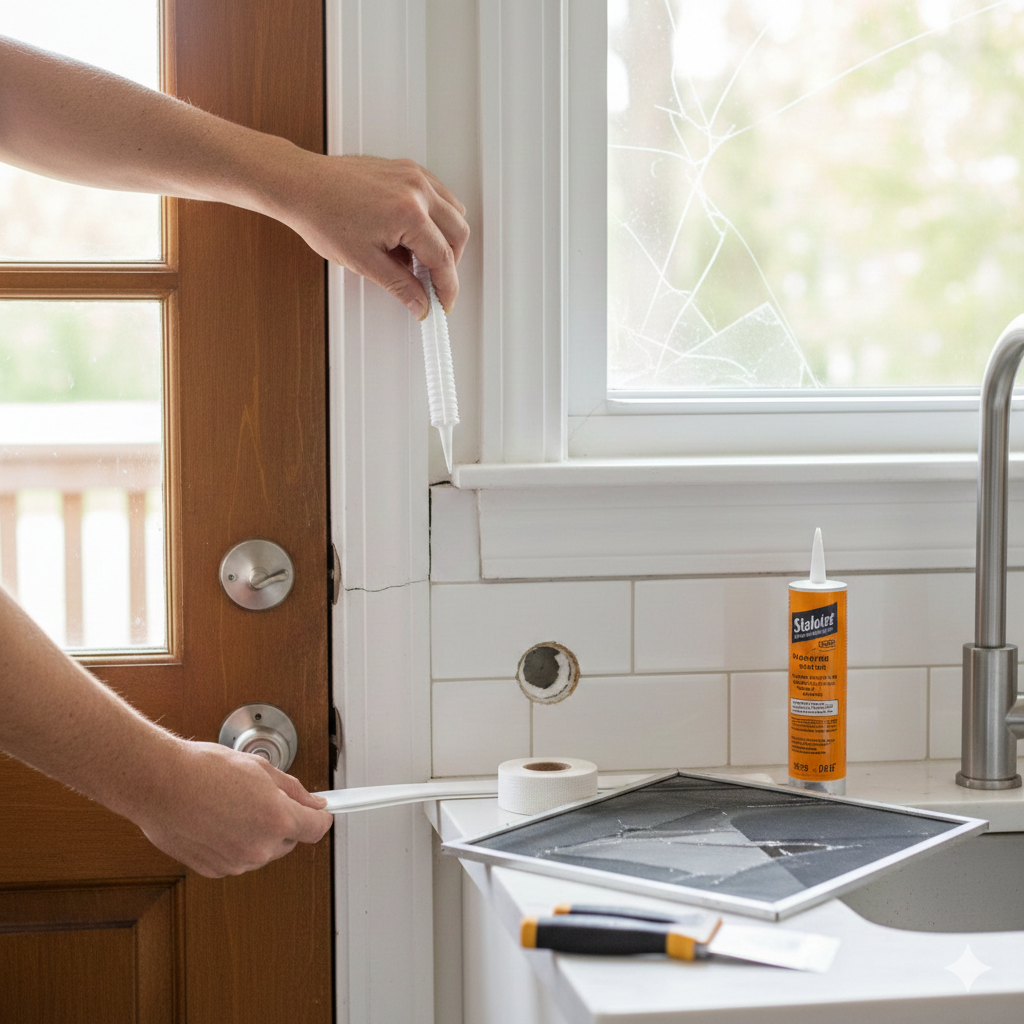
Inspect your kitchen for any gaps or cracks in windows, doors, or walls. Seal these openings using caulk or weatherstripping. Pay special attention to areas around plumbing pipes, as pests can often enter through these tiny openings. If your window screens are torn or damaged, repair or replace them to prevent bugs from getting inside.
Use Essential Oils as a Natural Deterrent
If you prefer a natural approach, certain essential oils can act as effective pest repellents. Peppermint, eucalyptus, and tea tree oils are particularly potent against ants and cockroaches. Mix a few drops of your chosen essential oil with water in a spray bottle and spritz it in areas where bugs are most likely to enter. Not only will this help deter pests, but it will also leave your kitchen smelling fresh.
Install Door Sweeps
Install door sweeps on all exterior doors leading into your kitchen. These provide an extra layer of protection by sealing the gap at the bottom of the door, preventing bugs from sneaking in. This simple and cost-effective measure can significantly reduce the number of pests entering your kitchen.
How to Use Baits and Traps Effectively
For an added layer of defense, consider using traps or baits specifically designed to target pests. Here’s how to use them properly:
Ant Baits
Ants are a common kitchen nuisance, and using ant baits is one of the most effective ways to get rid of them. Place ant baits near the baseboards, behind appliances, and in corners where ants are likely to travel. The ants will take the bait back to their colony, which will help eliminate the problem at its source.
Roach Traps
Roach traps are useful for monitoring and eliminating roaches. Place them in areas where you’ve seen roaches or suspect they may be lurking. These traps will attract and capture the roaches, making it easier to get rid of them. Be sure to replace the traps regularly to keep your kitchen free of pests.
Fruit Fly Traps
Fruit flies are another common kitchen pest, particularly in warm weather. To trap them, create a simple fruit fly trap using a bowl, apple cider vinegar, and dish soap. The vinegar attracts the flies, while the soap breaks the surface tension, causing them to drown. Place the trap near your fruit bowl or garbage can to eliminate the flies.
How to Deal with Specific Kitchen Pests
While a clean kitchen and preventative measures can help deter pests, it’s still essential to address specific pests if they persist. Here’s how to deal with some of the most common kitchen pests:
How to Get Rid of Cockroaches
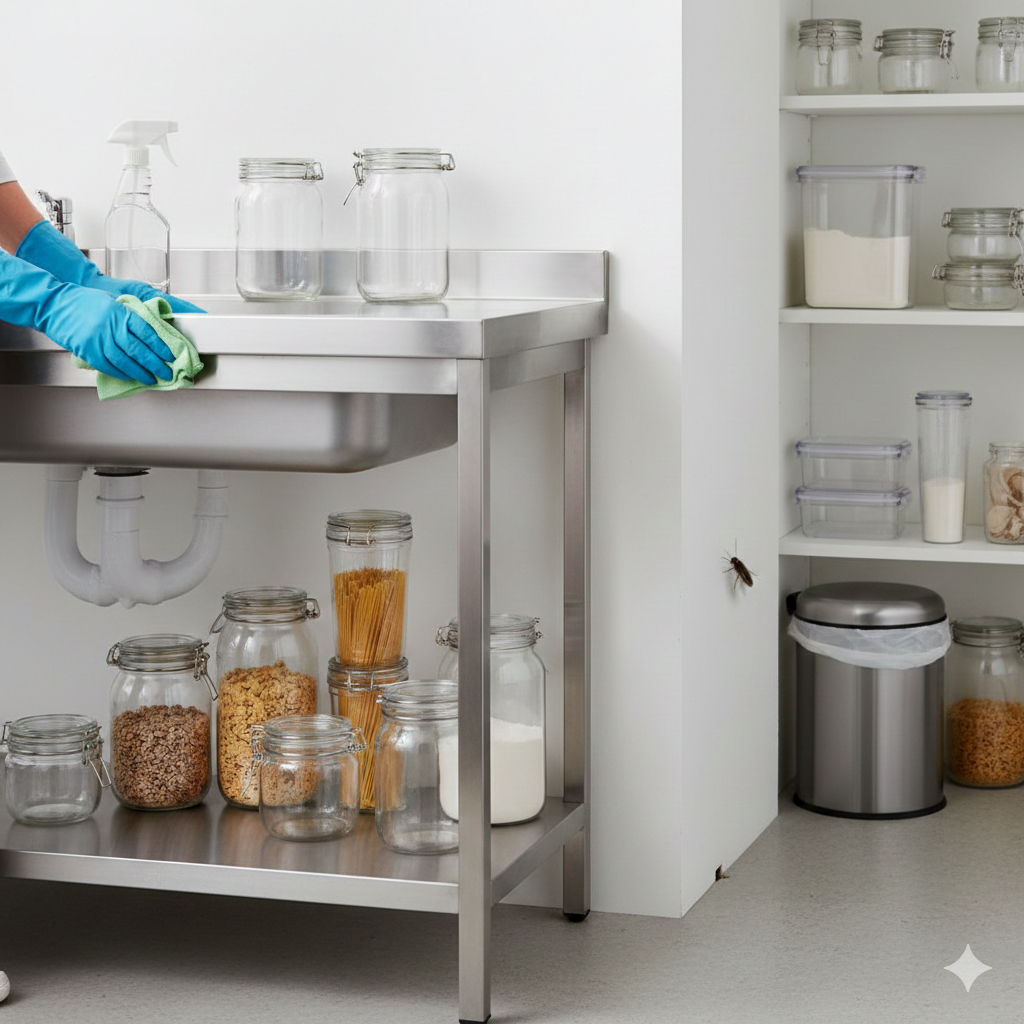
Cockroaches are a major health risk, so it’s important to act quickly if you spot one. Start by thoroughly cleaning your kitchen and eliminating food sources.
Use cockroach baits or traps to capture and monitor their movements. If the infestation is severe, you may need to contact a pest control professional.
How to Eliminate Fruit Flies
Fruit flies are often attracted to overripe fruits, vegetables, or spills in the kitchen. Make sure to dispose of any decaying produce and wipe down counters regularly. To trap fruit flies, use a DIY apple cider vinegar trap or purchase a commercial fruit fly trap.
How to Get Rid of Ants
Ants are drawn to food and sugary substances, so it’s important to clean up spills and crumbs immediately. Use ant baits to target the colony and stop the infestation at its source. Additionally, sealing entry points and using essential oils can help keep ants from returning.
Maintaining a Pest-Free Kitchen
Once you’ve successfully dealt with a pest problem, it’s important to maintain a regular cleaning and inspection routine to keep bugs from coming back. Make a habit of cleaning surfaces after every meal, storing food properly, and checking for cracks or gaps in your kitchen. Regularly inspect your pantry and check for any signs of pest activity.
Implement a Weekly Cleaning Schedule
A consistent cleaning routine is key to preventing pests. Set aside time each week to do a deep clean of your kitchen, including wiping down all surfaces, cleaning behind appliances, and removing any crumbs or food debris. Regular maintenance will make your kitchen less attractive to pests.
Monitor for New Infestations
Keep an eye out for any signs of a new pest infestation. If you notice any unusual activity or find insects in your kitchen, take immediate action to address the issue before it becomes a larger problem.
Conclusion
Achieving a bug-free kitchen takes effort, but it’s well worth it for your health, comfort, and peace of mind. By maintaining a clean kitchen, sealing potential entry points, and using targeted pest control methods, you can create an environment that’s inhospitable to bugs.
Remember, prevention is key. If you’re consistent with your cleaning routine and stay vigilant about keeping pests at bay, you’ll soon enjoy a pest-free kitchen.
Say goodbye to bugs and hello to a safe, hygienic space for cooking and enjoying meals with family and friends.
Read the Original Article on Crafting Your Home