7 Kitchen Tips Every Home Cook Should Know
Even the most seasoned cooks can fall into the trap of sticking to familiar recipes and techniques—those tried-and-true methods that have evolved over years of trial and error. While there’s nothing wrong with that, it’s easy to overlook the small details that could make our cooking even better.
Take something as simple as chopping vegetables or cutting meat, for example. It may seem like second nature, but many of us might be doing it all wrong without even realizing it. By refining these basic skills, you’d be amazed at how much more confident and efficient you can become in the kitchen.
Mastering the Art of Browning Meat
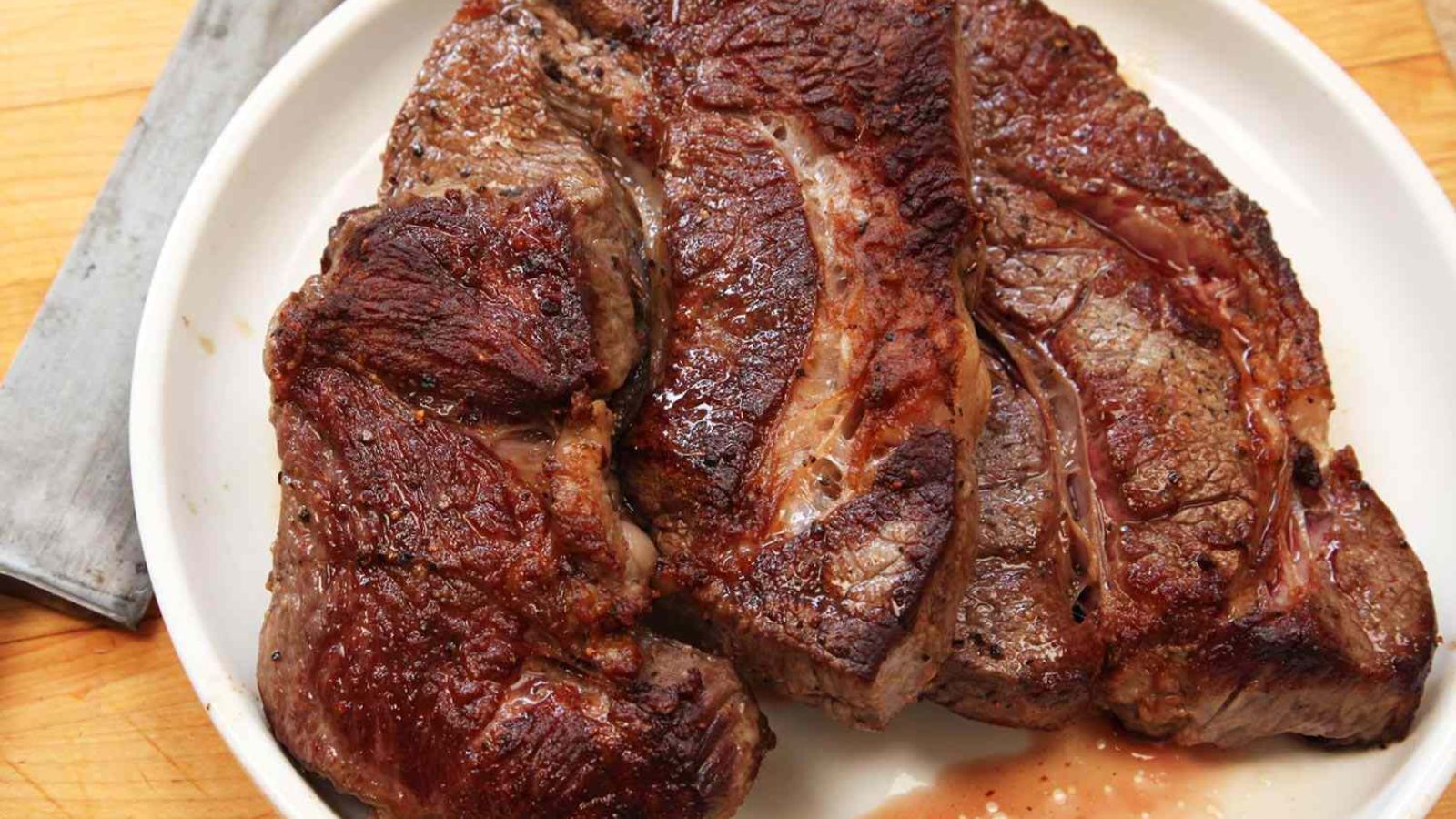
When a recipe asks you to brown your meat, take it seriously. It’s not merely about the color change—it’s about unlocking layers of flavor that will elevate your entire dish. Searing meat in a hot pan caramelizes its natural sugars, creating a beautiful crust that infuses the dish with savory, umami-rich flavor.
For the best results, avoid overcrowding the pan. When meat pieces touch each other too much, they release moisture and steam, preventing that golden-brown crispiness. Instead, cook in batches if necessary and give each piece room to develop that delicious sear.
Trust me, it’s the small details that make a big difference. So, the next time you’re making a stew, pot roast, or even a stir-fry, don’t rush this crucial first step.
The Importance of Softening Onions
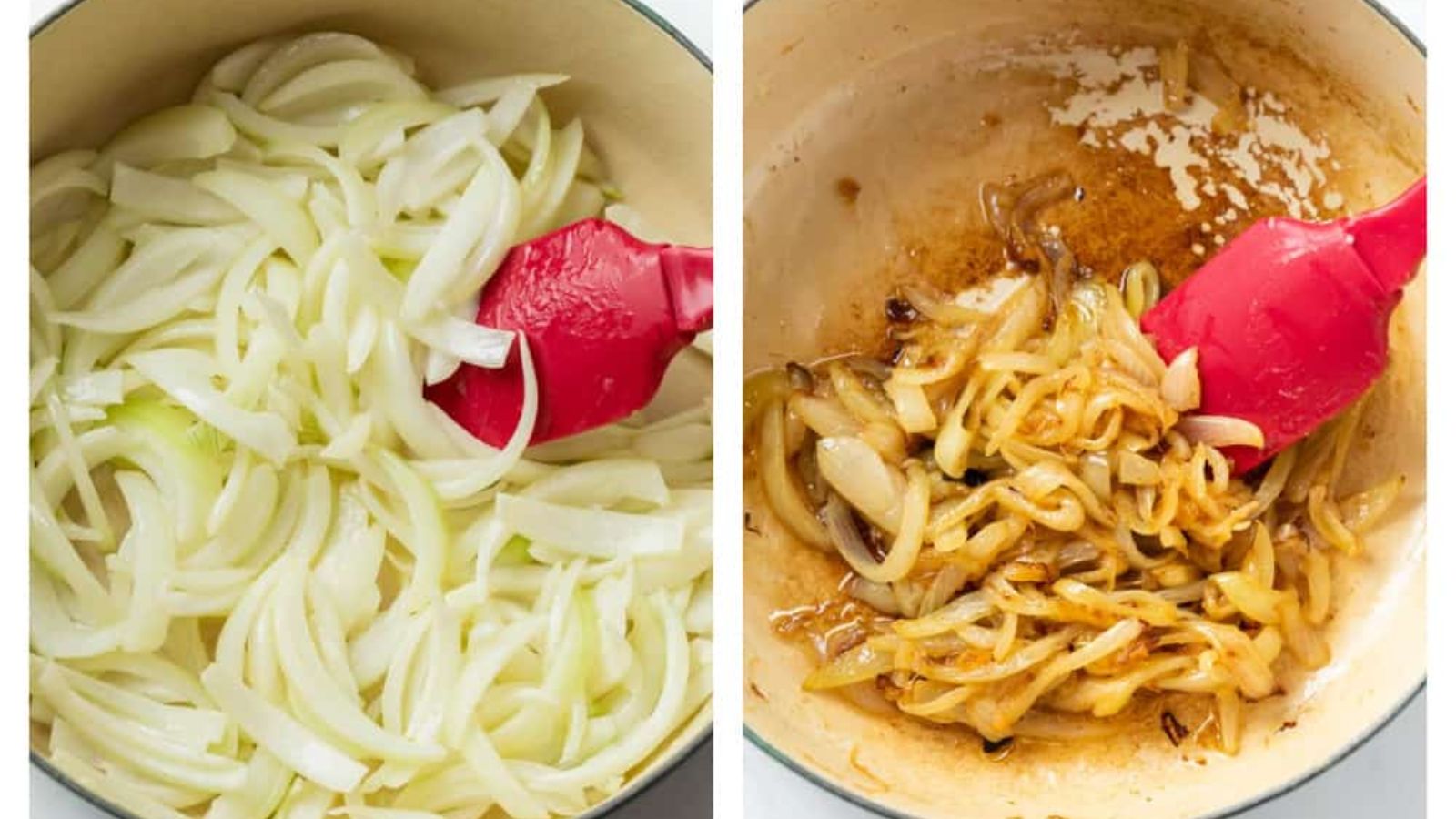
In many recipes, softening onions is the first step to building flavor. However, this step is often rushed. While a quick one-minute sauté may be enough for some, to truly unlock the deep flavors of onions, you’ll want to invest 20 to 30 minutes. Patience is key.
Low heat is your friend here. By cooking onions slowly and gently, you allow their natural sugars to caramelize, bringing out their sweetness and complexity. This is especially important in soups, sauces, and slow-cooked dishes where the onions form the foundation of the flavor profile.
Choosing the Right Stock
Stock is one of the most fundamental ingredients in cooking, but many cooks overlook its significance. If you want your dish to taste rich and balanced, chicken stock is often your best bet. Unlike beef or fish stock, which tend to be more intense and require specific flavor pairings, chicken stock offers a subtle, savory base that complements a wide variety of dishes.
While vegetable stocks can be a good option for vegetarian dishes, many store-bought versions can be overpowering due to an over-reliance on dried herbs. Homemade chicken stock is the gold standard, but in a pinch, quality store-bought stock can still elevate your cooking significantly.
Don’t Discard Potato Skins

If you’re peeling potatoes for mashed potatoes or fries, think twice. The skin is where much of the flavor lies. Not only does it add texture, but it also enhances the dish’s overall richness. For example, when making potato salad or hash browns, I always leave the skin on. It adds a rustic element that enhances the dish.
Similarly, when making gnocchi, I prefer to parboil the potatoes with their skins on. After cooking, I simply peel them while they’re still hot. This method retains more nutrients and adds depth to the flavor profile. So, the next time you’re preparing potatoes, consider keeping the skins intact—it’s a small change that yields big flavor results.
The Secret to Avoiding Soggy Pastry
There’s nothing worse than a soggy bottom on a tart, pie, or quiche. To avoid this culinary disaster, always blind-bake your pastry before adding the filling. Blind baking involves pre-baking the empty pastry crust to ensure it cooks evenly and crisps up before the filling is added.
Without this crucial step, the base of your pastry will absorb moisture from the filling, resulting in a soggy, limp crust. This simple technique makes all the difference in achieving that perfect, flaky, golden-brown finish.
Picking the Right Meat for Slow Cooking
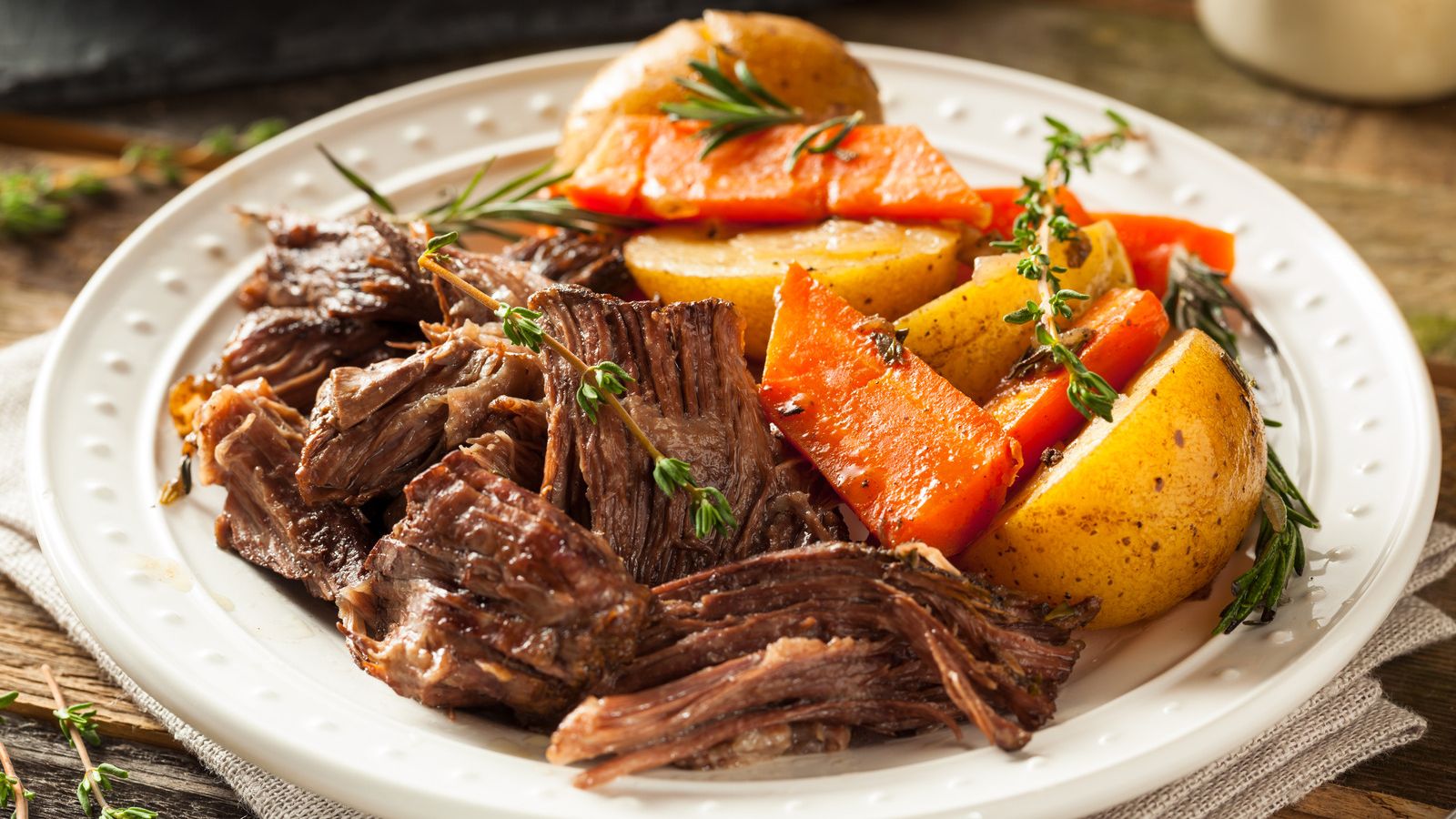
Slow cooking can turn tough cuts of meat into melt-in-your-mouth tenderness, but not all cuts are suited for this method. While supermarket chuck or stewing beef may seem like an easy choice, it’s not always the best. Instead, look for cuts like shin, oxtail, or lamb neck, which are rich in collagen and break down beautifully over time.
These cuts are often more affordable and are perfect for stews, braises, and slow-cooked dishes. Yes, they may take longer to cook, but the result is well worth the wait. For poultry, chicken thighs are often a better choice than breasts when slow-cooked, as they are juicier and more flavorful.
Experiment with Spices Beyond Vanilla
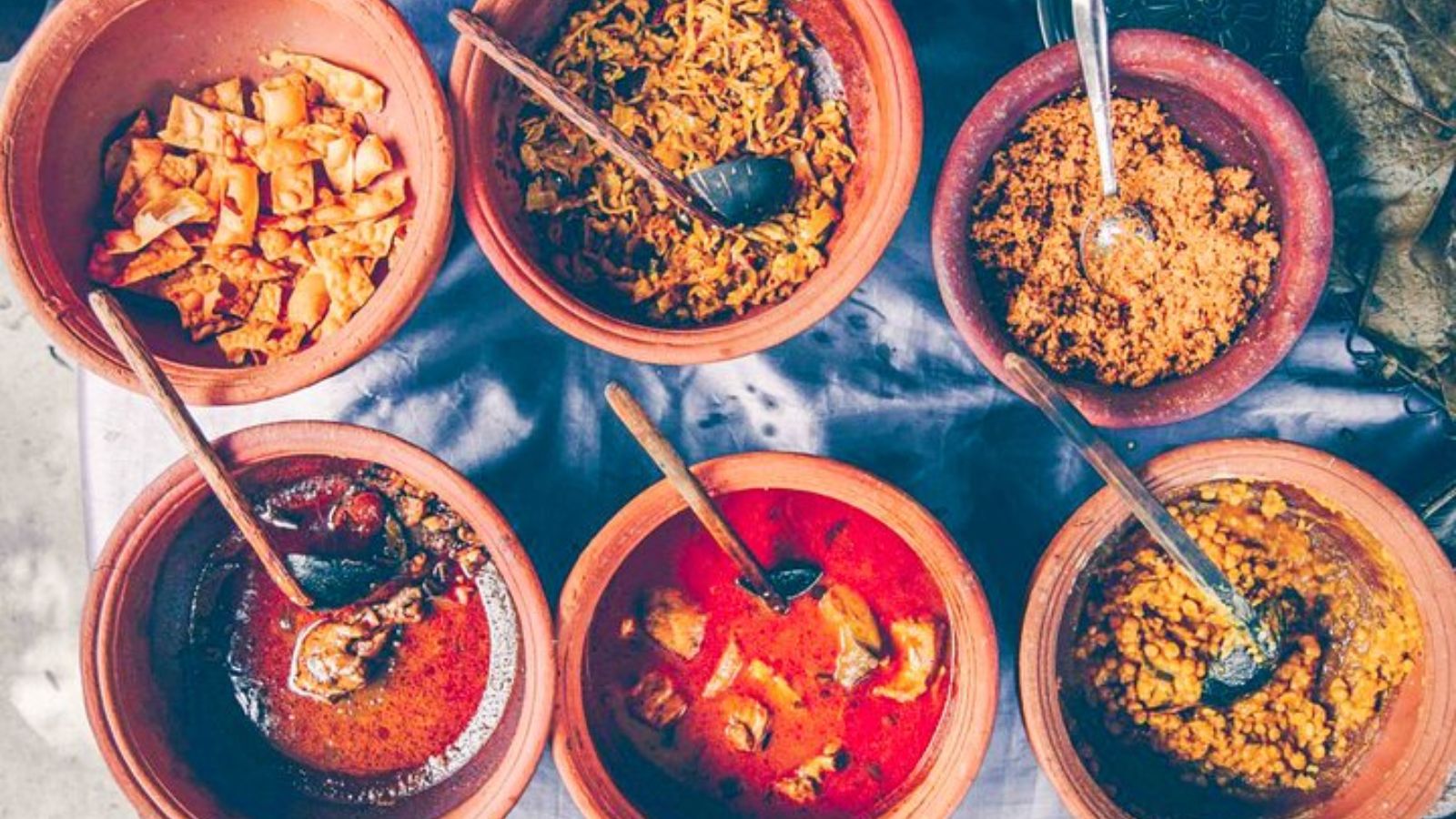
Vanilla is a beloved ingredient in many desserts, but there’s a world of other spices that can bring complexity to your baked goods. Nutmeg, cinnamon, and ginger all offer delightful alternatives to vanilla. These spices can add warmth, depth, and a hint of exotic flair to everything from cakes to cookies.
In fact, one of my favorite baking tips is to use a combination of these spices to create more interesting flavor profiles. Don’t feel restricted to vanilla in your classic recipes, mix things up and see what new creations you can come up with.
Conclusion
Becoming a better cook isn’t just about following recipes, it’s about understanding the small details and embracing techniques that elevate your dishes. By mastering the basics, such as properly browning meat, softening onions, and choosing the right stock, you can enhance your cooking and develop a deeper understanding of flavor.
Remember, the kitchen is your playground. Don’t be afraid to experiment with different ingredients, spices, and techniques. Over time, you’ll learn what works best for you and your family, and your meals will reflect that personal touch.
Read the original article on crafting your home