This post: 7 Home Safety Jobs to Do the Weekend the Clocks Fall Back first appeared on Crafting Your Home.
Daylight saving time ends on Sunday, November 1, 2026, at 2 a.m. local time. That is the earliest date the rule allows, because federal law sets the change for the first Sunday in November.
The proposed Sunshine Protection Act, which would make daylight saving time permanent, has not become law, so the clocks still change.
For most households, the change means an extra hour of sleep and a scramble to reset the oven clock, but fire officials have used the date for decades as a reminder to do something more useful.
The national “Change Your Clock, Change Your Batteries” campaign, run for 30 years by Energizer and the International Association of Fire Chiefs, rests on a simple idea.
Easy-to-forget jobs work better when tied to a date you can’t miss. Here are seven jobs worth doing this weekend, starting with the devices that matter most.
Start With the Alarms
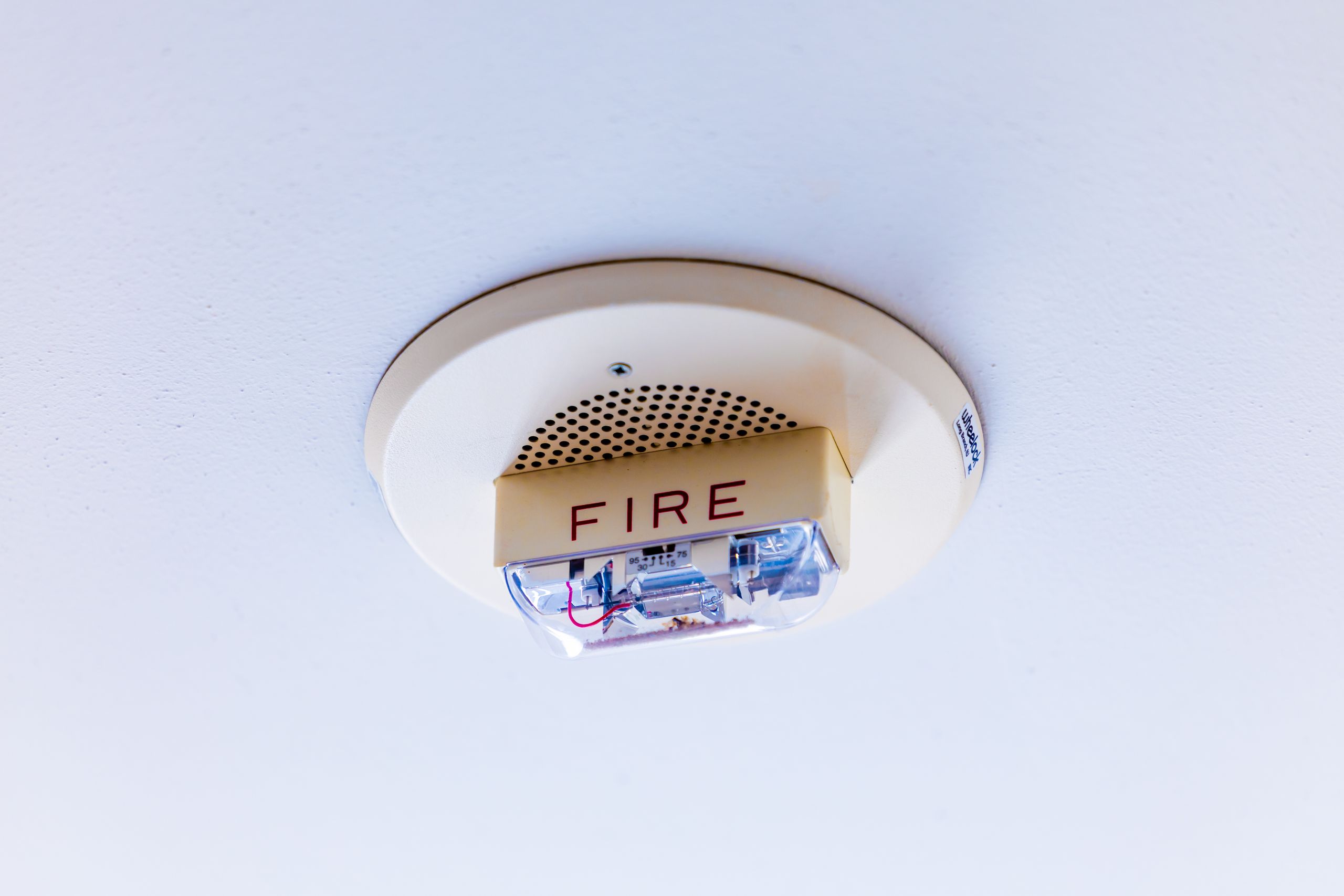
Test every smoke and carbon monoxide alarm
Press the test button on each one and listen for the full alarm. The United States Fire Administration advises testing smoke alarms monthly, and the fall clock change is a handy prompt if you have been skipping it.
The National Fire Protection Association reports that 71 percent of smoke alarms that failed to operate had missing, disconnected, or dead batteries, according to Energizer’s summary of the data.
The Seattle Fire Department adds that working smoke alarms can cut the risk of dying in a home fire by nearly half, because they give early warning and extra seconds to escape.
Related: 7 Household Items to Replace Regularly for a Cleaner, Safer Home
Replace the batteries the right way
Fire officials recommend replacing nine-volt batteries at least once a year. Ohio fire chief Christopher Lyons advises changing them twice a year, or whenever an alarm chirps, and says never to borrow a battery from a smoke alarm for another device.
Alarms with sealed 10-year lithium batteries work differently, since you replace the whole unit at the end of its life by following the manufacturer’s instructions.
Seattle’s fire department suggests that people tired of yearly battery changes consider a long-life battery-powered alarm.
Check the date on the back of every alarm
The alarm itself can wear out even if it still passes the test. According to the Seattle Fire Department, smoke alarms should last up to 10 years, and most have a manufacture date printed on the back.
If yours is older than that, or you can’t find a date, replace it. Carbon monoxide alarms have shorter lives.
Seattle puts the figure at seven years, while another home-safety guide notes that some wear out sooner, so look for an “end of life” or “replace by” date on the unit.
Related: 9 Things in Your Home That Won’t Exist in 10 Years
Count your alarms, check their locations, and dust them
Chief Lyons recommends smoke alarms on every level of the home and both inside and outside each bedroom. When buying new alarms, he suggests the photoelectric type.
He also advises vacuuming dust from alarms at least once a year, a job that takes a minute and is easy to forget. If you find a level or bedroom without an alarm, add one this weekend instead of putting it on a list.
Then Get the House Ready for Earlier Dark
Walk through your escape plan
Chief Lyons recommends two ways out of every bedroom and an outside meeting spot, and says every family member should practice both a primary and a secondary route.
Sunset arrives about an hour earlier after the change, so it’s a good time to practice when more of the evening happens in the dark.
A plan that exists only in your head isn’t much use to a child or a houseguest, so say it out loud and walk the routes once.
Related: If Your Home Has These 8 Things, It’s Ready for a Rough Winter
Replace the furnace filter and check your fire extinguishers
A home-safety checklist from Idaho lists swapping the furnace filter and checking extinguishers, along with alarm testing, as good uses of the extra hour.
Energy guides say replacing the filter helps the heating system run efficiently and avoid wasting energy.
Take the old filter or a photo of its dimensions to the store so you buy the right size. Check each extinguisher’s label and condition, and replace any that are past their date or look damaged.
Reset the clocks that won’t change themselves and brighten the entry