


The post 7 Habits That Can Become More Noticeable With Age, but Few People Talk About first appeared on Crafting Your Home.
Getting older does not automatically make anyone difficult. In fact, nearly half of Americans age 65 and older say they are aging extremely well or very well. Still, every stage of life comes with routines and attitudes that can become more deeply set over time.
That is where a little self-awareness can go a long way. People rarely notice habits because of gray hair, birthdays, or how many years someone has lived. They are often about whether a person stays curious, leaves room for others, and remembers that experience does not make anyone the only voice in the room.
Here are seven habits that can become more noticeable with age, along with a few gentle reminders that apply to everyone.
Giving Advice Before Anyone Asks
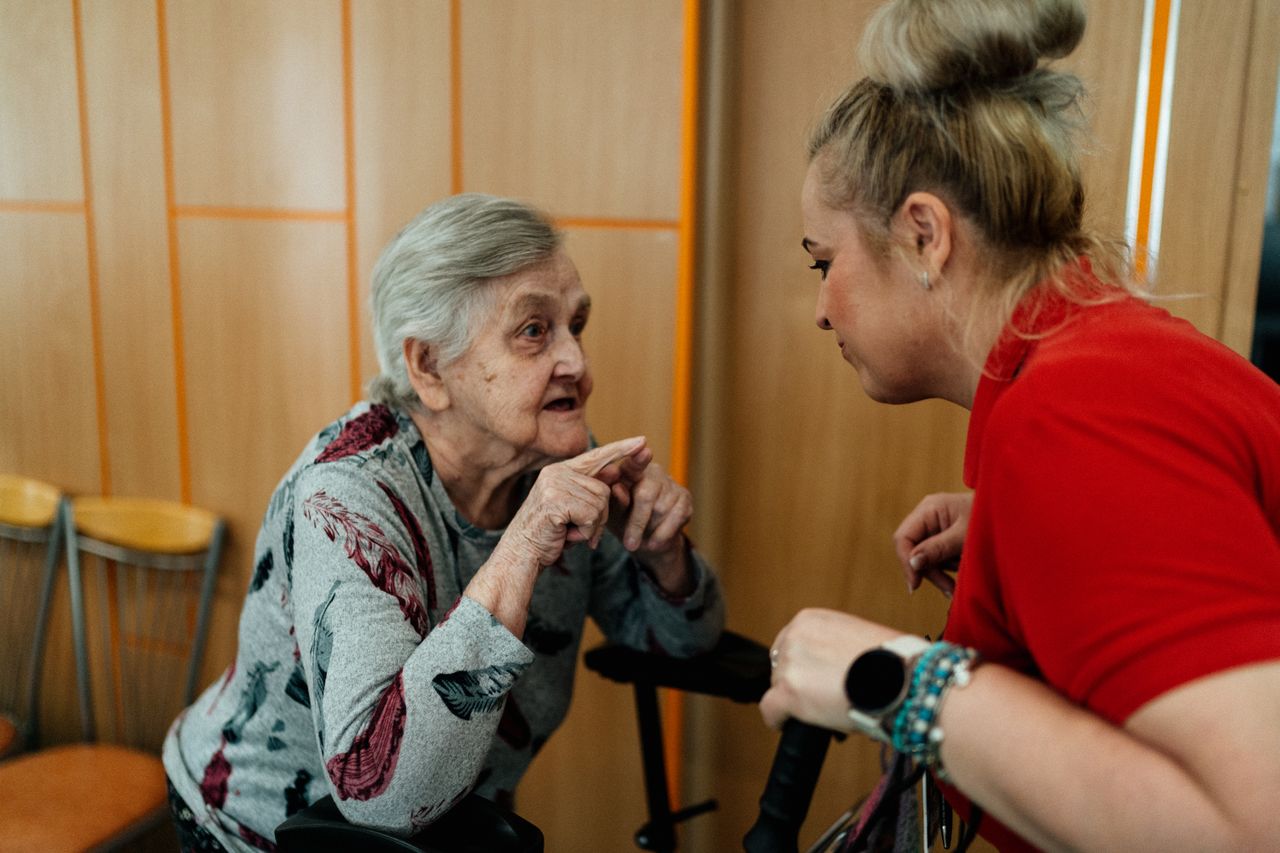
Life experience can make people eager to help. When you have lived through job changes, money worries, family challenges, and plenty of hard lessons, it is natural to want to save someone else the trouble.
But advice does not always land as intended. Sometimes a friend simply wants to vent, share an update, or feel heard without receiving a full plan for what to do next. The difference between support and a lecture often comes down to one small question: “Would you like my thoughts, or do you just need me to listen?”
Older Americans have plenty of wisdom to share. Pew Research Center found that many adults age 65 and older offer advice to younger people about finances, mindset, relationships, activities, work, and other life topics. That experience can be meaningful, but it is most powerful when it is offered with care rather than delivered on demand.
Treating Every Modern Change Like a Mistake
Nostalgia has a special kind of glow. Old songs, family traditions, familiar stores, and stories from decades ago can bring people together in a way few things can.
The problem begins when every new habit is treated as proof that the world has gone downhill. Younger people may use different language, shop differently, work differently, or spend time differently, but different is not always worse.
A better approach is to share the memory without turning it into a verdict. “Things were different when I was younger” invites conversation. “Everything was better when I was younger” usually ends it.
Refusing to Learn New Technology
Technology can be frustrating at any age. New apps, changing passwords, unfamiliar devices, and constant updates test everyone’s patience.
Still, it is worth resisting the habit of rejecting every new tool before giving it a fair chance. Older adults are already proving that learning does not have an expiration date. AARP reports that smartphone ownership among adults age 50 and older rose from 55% in 2016 to 90% in 2025. The organization also found that nine in 10 adults age 50 and older use social media.
The point is not that everyone needs the latest device. It is that curiosity keeps life open. Asking for help, trying a new feature, or learning one small digital skill can feel far more empowering than saying, “I am too old for this.”
Related Post: 10 Signs Boomers Are Struggling With the Digital World
Repeating the Same Story Without Noticing
Every family has a classic story. Maybe it is the vacation that went wrong, the first apartment, the childhood prank, or the wild thing someone did at a wedding years ago.
A treasured story is part of what makes a person memorable. But when the same tale appears at every gathering, without any interest in what others have to say, people may begin to feel like an audience instead of part of the conversation.
The easy fix is not to stop telling stories. It is to make space after telling one. Ask a question. Listen to someone else’s memory. Let the conversation move like a shared table, not a one-person stage.
Assuming Younger People Have Nothing to Teach You

Experience matters. So does being open to a new perspective.
One habit that can create distance between generations is assuming younger people are automatically careless, uninformed, or unprepared for life. They may have less experience in some areas, but they may also understand new technology, current work culture, changing social expectations, or ideas that were not part of an older generation’s world.
Assumptions hurt in both directions. Research from the University of Michigan found that many adults ages 50 to 80 have experienced ageism, including assumptions that they cannot use technology, hear, understand, remember, or do things independently. Respect works best when it goes both ways.
Related Post: 12 Things Adult Children Wish Their Parents Would Stop Doing
Letting Complaints Take Over Every Conversation
Everybody needs a moment to complain. Prices rise, plans fall apart, customer service can test anyone’s patience, and some days simply do not go as expected.
The trouble comes when complaints become the main topic every time people gather. If every phone call turns into a list of what is wrong with neighbors, family, technology, stores, or the world, people may stop sharing their own good news.
A practical habit is to balance the frustration with something else. Share the irritating moment, then ask how someone else is doing. Tell a funny story. Bring up something that made you smile. A conversation feels lighter when there is room for more than disappointment.
Thinking Change Is Only for Younger People
This may be the biggest habit to watch. It is easy to believe that reinvention belongs to people starting careers, raising young families, or trying to build a future.
But people continue learning, adjusting, and discovering new interests at every age. AARP found that use of artificial intelligence among adults age 50 and older increased from 18% in 2024 to 30% in 2025. That does not mean everyone needs to use the same tools. It simply shows that plenty of older adults are still willing to explore what is new.
Getting older does not mean becoming stuck. It can mean becoming more certain of who you are while remaining interested in what the world still has to offer.
The best habit to carry into any age is simple: stay open. Listen before advising, ask before judging, and leave room for someone else’s point of view.
Key Takeaways
- Aging does not automatically create bad habits. Staying self-aware matters at every stage of life.
- Giving advice works best when it is invited, not assumed.
- Nostalgia can be enjoyable, but dismissing every new idea can push people away.
- Older adults are increasingly using smartphones, social media, and newer technology, so avoid stereotypes about tech ability.
- Good conversations leave room for other people’s stories, opinions, and experiences.
- Curiosity, flexibility, and listening help people stay connected across generations.
Other Posts You May Like
If you like what you just read, then subscribe to our newsletter and follow us on social media.


