


Your grocery cart looks almost the same as it did last year. A carton of eggs, a bag of coffee, some ground beef, and a few everyday essentials. But when you reach the checkout counter, the total tells a different story.
Here’s the surprising part: not everything is getting more expensive.
Some grocery staples have seen major price drops, while others are climbing much faster than the average American grocery bill.
According to the U.S. Bureau of Labor Statistics, grocery prices increased 1.8% between September 2025 and September 2026. However, that relatively small increase hides some dramatic differences between individual food items.
From cheaper eggs to surprisingly expensive coffee, these seven grocery prices reveal what’s really happening in American supermarkets.
Eggs Have Become Surprisingly Cheaper
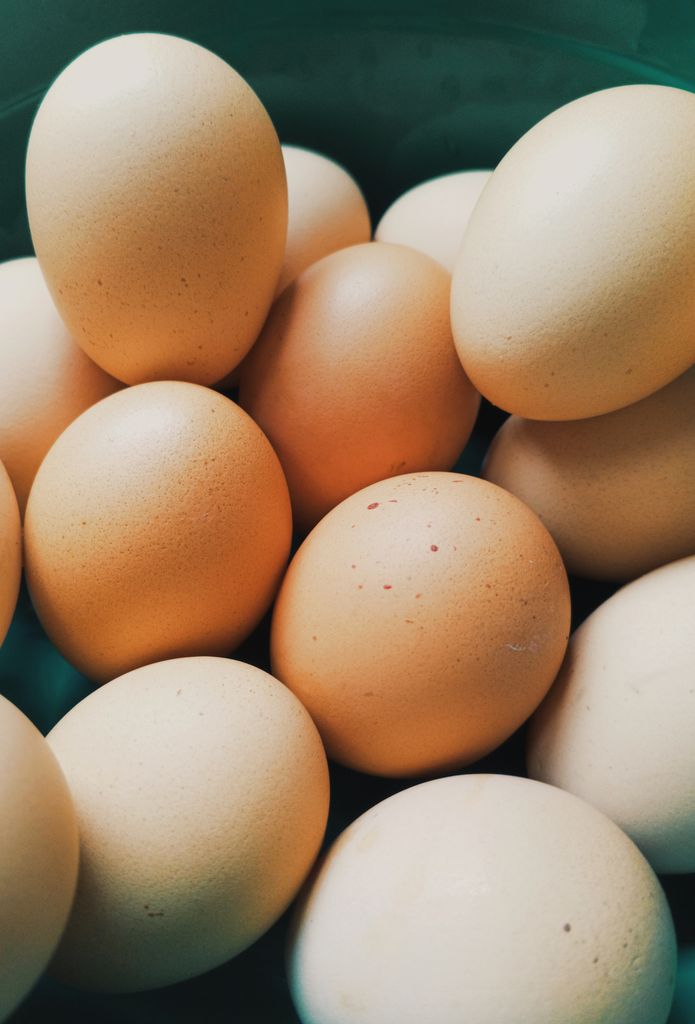
Remember when a carton of eggs could make you question your entire breakfast budget?
Well, there’s some welcome news.
According to the Bureau of Labor Statistics, egg prices dropped 20.6% between September 2025 and September 2026.
That’s a considerable decline for something that once seemed determined to keep getting more expensive.
The U.S. Department of Agriculture explains that earlier egg price increases were closely linked to avian influenza outbreaks, which reduced laying flocks and egg production.
However, egg production has been recovering, and the USDA expects egg prices to decline substantially in 2026.
There’s one catch.
Egg prices actually increased 1% between August and September 2026, showing that prices can still fluctuate.
So, while the national figures suggest relief, your neighborhood supermarket might tell a slightly different story.
Coffee Is Becoming an Expensive Morning Habit
That comforting morning cup of coffee might be costing more than you realize.
Whether you prefer freshly ground beans or instant coffee, the numbers aren’t particularly encouraging.
Federal data shows that coffee prices increased 7.1% between September 2025 and September 2026.
Roasted coffee climbed 7.2%, while instant coffee increased 6.8%.
Compare that with the overall grocery inflation rate of 1.8%, and the difference becomes difficult to ignore.
For households that purchase coffee regularly, those increases can add up.
The next time you’re shopping, take a closer look at the price per ounce rather than grabbing your usual container without thinking.
Comparing store brands, package sizes, and weekly promotions might help you find a better deal.
Your morning coffee ritual doesn’t necessarily need to change, but the way you shop for it might.
Related Post: 6 Coffee Orders That Reveal Who You Are
Butter Prices Have Taken an Unexpected Turn
With holiday baking season approaching, here’s something that might make home cooks smile.
Butter has actually become cheaper.
According to the latest federal figures, butter prices fell 10.3% between September 2025 and September 2026.
The broader category covering butter and margarine declined 7.6%.
That’s a welcome change for anyone planning homemade cookies, pies, biscuits, or buttery mashed potatoes.
Interestingly, not every dairy product followed the same pattern.
Milk prices increased 2.3% over the same period, while cheese prices declined 3%.
These differences show why it’s worth checking individual grocery prices rather than assuming everything in the dairy aisle is moving in the same direction.
Of course, a nationwide decline doesn’t guarantee a discount at every store.
Still, shoppers preparing for Thanksgiving or Christmas baking may find that butter deserves another look.
Apples Are Getting More Expensive
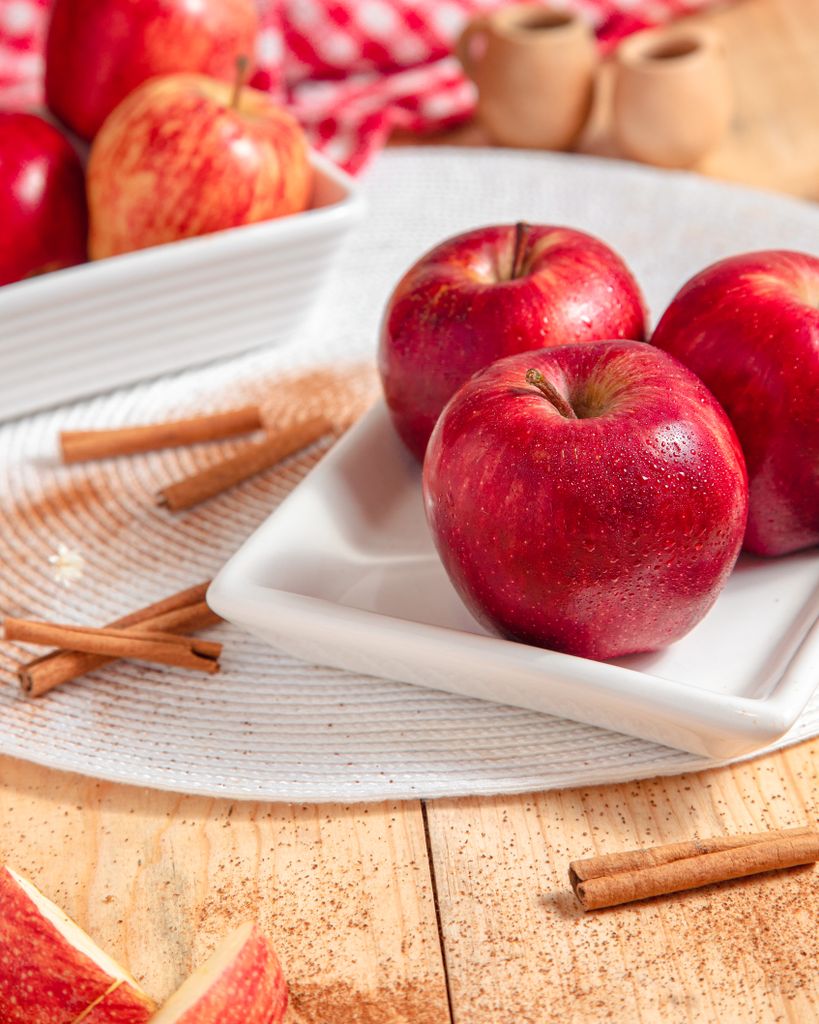
Apples seem like such an ordinary grocery purchase that their prices rarely attract much attention.
But this familiar fruit has quietly become more expensive.
According to the September 2026 Consumer Price Index report, apple prices increased 7.5% compared with September 2025.
That’s more than four times the overall grocery inflation rate.
Interestingly, apples became 1.4% cheaper between August and September 2026 before seasonal adjustment.
How can both things be true?
It’s simple. Prices can decline during one month while remaining higher than they were a year earlier.
For shoppers, the lesson is worth remembering.
Your favorite apple variety might not always offer the best value.
Comparing different varieties, checking prices per pound, and watching for weekly promotions can make grocery shopping a little more economical.
Sometimes, the best bargain is sitting right beside the item you usually buy.
Ground Beef Is Still Putting Pressure on Grocery Budgets
Few ingredients appear in as many familiar American dinners as ground beef.
Think homemade burgers, meatloaf, spaghetti sauce, tacos, and comforting casseroles.
Unfortunately, this everyday staple has become more expensive.
Federal figures show that uncooked ground beef prices increased 5.4% between September 2025 and September 2026.
That’s significantly higher than the overall grocery inflation rate.
There is a small silver lining, however.
Ground beef prices declined 1.2% between August and September 2026 before seasonal adjustment.
Still, one month’s decline doesn’t erase an entire year’s increase.
The USDA has also reported lower beef production during much of 2026 compared with the same periods in 2025.
For households watching their food spending, comparing the price per pound is especially useful.
A larger package isn’t necessarily the better deal, particularly when smaller packages are discounted.
Before planning your next burger night, it might be worth comparing the available options.
Related Post: 12 Classic Apple Varieties, From the McIntosh to the Honeycrisp
Rice Prices Have Quietly Climbed
Rice often gets overlooked when conversations turn to expensive groceries.
After all, it’s a familiar pantry staple used in everything from simple side dishes to complete family dinners.
But the latest numbers reveal a noticeable increase.
According to the Bureau of Labor Statistics, rice prices rose 7.1% between September 2025 and September 2026.
That’s nearly four times the overall increase in grocery prices.
Meanwhile, the broader category covering rice, pasta, and cornmeal increased 4.3%.
The difference suggests rice experienced greater price pressure than the category as a whole.
For families who cook rice frequently, these changes deserve attention.
Comparing unit prices and checking different package sizes can help identify better value.
Store brands may also be worth considering.
Rice might not be the most expensive item in your cart, but repeated purchases can make even modest price increases noticeable.
Candy and Chewing Gum Are Costing More

That chocolate bar or packet of chewing gum near the checkout counter might seem like a tiny purchase.
But those little treats have experienced a surprisingly large price increase.
Federal data shows that candy and chewing gum prices climbed 7.7% between September 2025 and September 2026.
That’s more than four times the overall grocery inflation rate.
The broader sugar-and-sweets category increased 5.5%, even though prices for sugar and sugar substitutes declined 1%.
That contrast is especially interesting.
It shows that related products don’t necessarily experience the same price changes.
And with the holiday season approaching, shoppers buying candy for gatherings, gift baskets, or seasonal celebrations may want to pay closer attention to package sizes and promotions.
A small treat can still be enjoyable without becoming an overlooked expense.
What These Grocery Price Changes Mean for Americans
The biggest lesson from 2026 grocery prices is that inflation doesn’t affect every food equally.
Eggs and butter have become considerably cheaper, while coffee, apples, ground beef, rice, and candy have experienced noticeable increases.
According to the USDA’s October 2026 Food Price Outlook, grocery prices are forecast to rise 2.3% for 2026 as a whole.
That forecast compares annual average prices and doesn’t mean every product will increase by the same amount.
For American households, the practical takeaway is simple.
Check unit prices, compare alternatives, and don’t assume the grocery items that were expensive last year are still the most expensive today.
Sometimes, the biggest surprise at the supermarket isn’t what costs more. It’s what finally costs less.
Data note: All annual price changes cited are from the September 2026 Consumer Price Index and compare September 2026 with September 2025. National price indexes do not represent prices at individual grocery stores.
The seven headline figures have been checked against the official BLS September 2026 report, and the USDA’s 2.3% annual grocery price forecast is confirmed.
If you like what you just read, then subscribe to our newsletter and follow us on social media.


