
The post 7 Gardening Myths That Might Be Hurting Your Plants (And What to Do Instead) first appeared on Crafting Your Home.
Gardening advice has a funny way of spreading. Someone’s grandmother swears by it, a neighbor repeats it, and suddenly everyone adds rocks to pots, piles mulch around tree trunks, and waters plants every day like they’re running a spa for vegetables.
The problem? Many popular gardening “rules” are only partly true.
They may work in certain situations, but gardening is not a one-size-fits-all activity. Soil type, weather, plant age, drainage, and the type of plant you’re growing all matter.
Here are seven common gardening myths that sound helpful but can actually cause problems.
“You should water every plant every day”
It feels logical: plants need water, so more water must mean happier plants. But plants are not house guests asking for daily attention. They need the right amount of water at the right time. Some plants really do need frequent watering, especially new seedlings, fresh transplants, containers in hot weather, and plants growing in sandy soil. But many established trees, shrubs, and garden plants do better with deep watering less often rather than a daily sprinkle.
Constantly wet soil can actually hurt roots because roots need oxygen as well as water. Overwatering can damage roots, limit root growth, and waste water. A better approach? Check the soil before watering. Stick your finger, a trowel, or a soil probe into the root zone. If it’s still moist, your plants probably don’t need another drink. When you do water, water deeply so roots grow downward instead of staying near the surface.
“More fertilizer means faster, better growth”
When a plant looks sad, fertilizer can feel like a quick fix. Yellow leaves? Add fertilizer. Slow growth? Add fertilizer. Few flowers? Add fertilizer. But fertilizer is not plant medicine. Adding nutrients when they aren’t needed can burn roots, weaken growth, increase pest and disease problems, and even contribute to pollution when excess nutrients wash away.
Soil testing is often a better first step than guessing.
Think of fertilizer like vitamins. Taking more than you need does not automatically make you healthier. Plants work the same way.
“Put rocks or gravel in the bottom of pots for drainage”
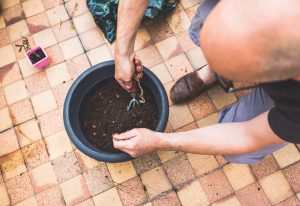
This is one of the most popular container gardening myths. Many people believe a layer of stones at the bottom creates a drainage zone.
Unfortunately, it often does the opposite.
The real heroes of container drainage are drainage holes and good-quality potting mix. A gravel layer can reduce the space available for roots and may create a wetter area above the rocks instead of improving drainage.
Instead of filling your pot with rocks, use the space for roots. If soil escapes through drainage holes, use a small piece of mesh, not a mini rock garden at the bottom of your container.
“Adding sand will fix heavy clay soil”
Clay soil can be frustrating. It sticks to your shoes, holds water, and can become rock-hard when dry. So mixing in sand sounds reasonable.
Unfortunately, a little sand mixed into clay usually does not create beautiful garden soil. Instead, it can create a dense, compact mixture.
The better solution is patience.
Add organic matter like compost, improve soil structure over time, avoid walking on wet clay, and choose plants that match your soil conditions. Good soil is b uilt,it is rarely created with one weekend project.
“Mulch should touch tree trunks”
Giant, volcano-shaped mulch piles around trees may look neat, but they don’t do your trees any favors.
Mulch is wonderful. It helps conserve moisture, reduce weeds, and protect soil. The mistake is piling it directly against the trunk.
When mulch stays against bark, it can keep the area too moist and encourage decay, disease, and pest problems.
The winning formula is simple: wide, shallow, and away from the trunk. Spread mulch in a broad ring, keep it a few inches away from the bark, and let the tree trunk breathe.
“Native plants need zero care”
Native plants are amazing. They are often adapted to local conditions and can require less water and maintenance once established.
But “native” does not mean “plant it and forget it forever.” New native plants still need attention while their roots develop.
They may need watering during dry periods, weed control, and the right location based on sunlight and soil conditions.
A native plant growing in the wrong place is still the wrong plant.
“Coffee grounds automatically make soil acidic”
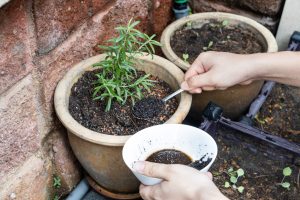
Coffee grounds have become a gardening celebrity. They’re often promoted as a magic ingredient for blueberries, azaleas, and other acid-loving plants.
The reality is less exciting,but more useful.
Used coffee grounds are usually close to neutral after brewing. They can add organic material when composted, but they are not a reliable way to lower soil pH or replace fertilizer.
Use coffee grounds as a compost ingredient, not as a miracle soil treatment.
The best gardening rule: pay attention
The biggest gardening myth may be that there is one perfect rule for every plant.
Great gardeners observe. They check soil moisture. They notice how plants respond.
They adjust based on weather, location, and plant needs.
Gardening gets much easier when you stop asking, “What trick should I use?” and start asking, “What is this plant actually telling me?”
Your garden is already giving you clues; you have to listen.
Other Post You Might Also Like
- 8-simple-ways-to-protect-your-garden-when-a-heat-wave-hits
- 8-smart-gardening-hacks-that-can-help-you-spend-less-money
If you like what you just read, then subscribe to our newsletter and follow us on social media.