7 Gardening Habits That Make Plants Thrive
Embrace the Power of the Right Soil
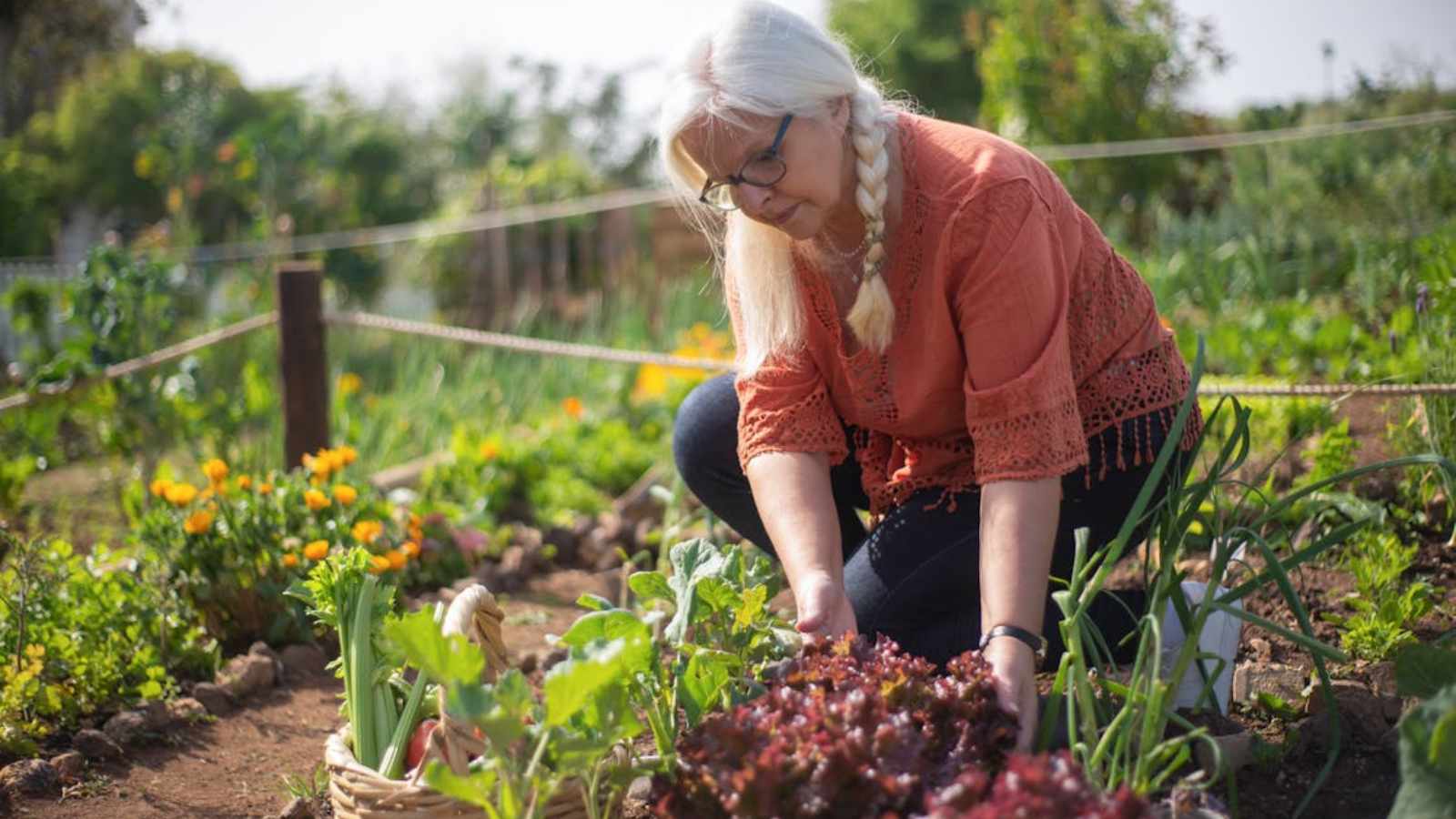
Great gardens start with great soil. Think of soil as the foundation of your garden’s health, like the roots of your plants in more ways than one. Ensure your soil is well-draining, rich in organic matter, and suited to your plants’ needs.
Add compost, mulch, and organic fertilizers to keep it nutrient-rich and ready for new growth. Well-fed soil leads to plants that flourish, grow strong, and naturally resist pests.
Master the Art of Watering

Watering is more than just a routine task; it’s an essential act of nourishment. The key is balance: too little water, and your plants may wither; too much, and their roots might rot. Water deeply and less frequently to encourage strong root development.
Early mornings or late evenings are the best times to water, as the cooler temperatures prevent rapid evaporation. And remember, it’s not just about watering, it’s about watering wisely.
Know Your Plants’ Needs
Understanding your plants’ specific needs is crucial. Sunlight, temperature, humidity, and soil type all vary by species. Some plants thrive in full sun, while others prefer the shade.
Take the time to learn about your plants’ preferences and plant them accordingly. By understanding what your plants need, you can cater to their needs, ensuring they grow to their fullest potential.
Practice Regular Pruning

Pruning is one of the most effective ways to promote healthy plant growth. Regularly trim away dead or diseased branches to prevent the spread of disease and encourage new, strong growth. Pruning also helps shape your plants, allowing them to grow in a more balanced, aesthetically pleasing manner.
Plus, by removing old growth, you’re giving your plants more room to expand, thrive, and produce more flowers or fruit.
Mulch Like a Pro

Mulching is your secret weapon in the garden. A thick layer of mulch retains moisture, suppresses weeds, and adds valuable nutrients back into the soil as it decomposes. Whether you use wood chips, straw, or compost, mulch helps maintain consistent soil temperature, keeps roots cool during hot weather, and prevents erosion during heavy rains.
A well-mulched garden is a happy garden.
Foster Healthy Plant Relationships
Companion planting is a gardener’s best-kept secret. Certain plants work wonders together by boosting each other’s growth, deterring pests, and improving soil health. For example, planting basil near tomatoes can enhance flavor and repel harmful insects.
On the flip side, some plants don’t get along, so be mindful of your garden’s “relationships.” Creating plant alliances can lead to healthier, more productive gardens.
Be Mindful of Pests and Diseases
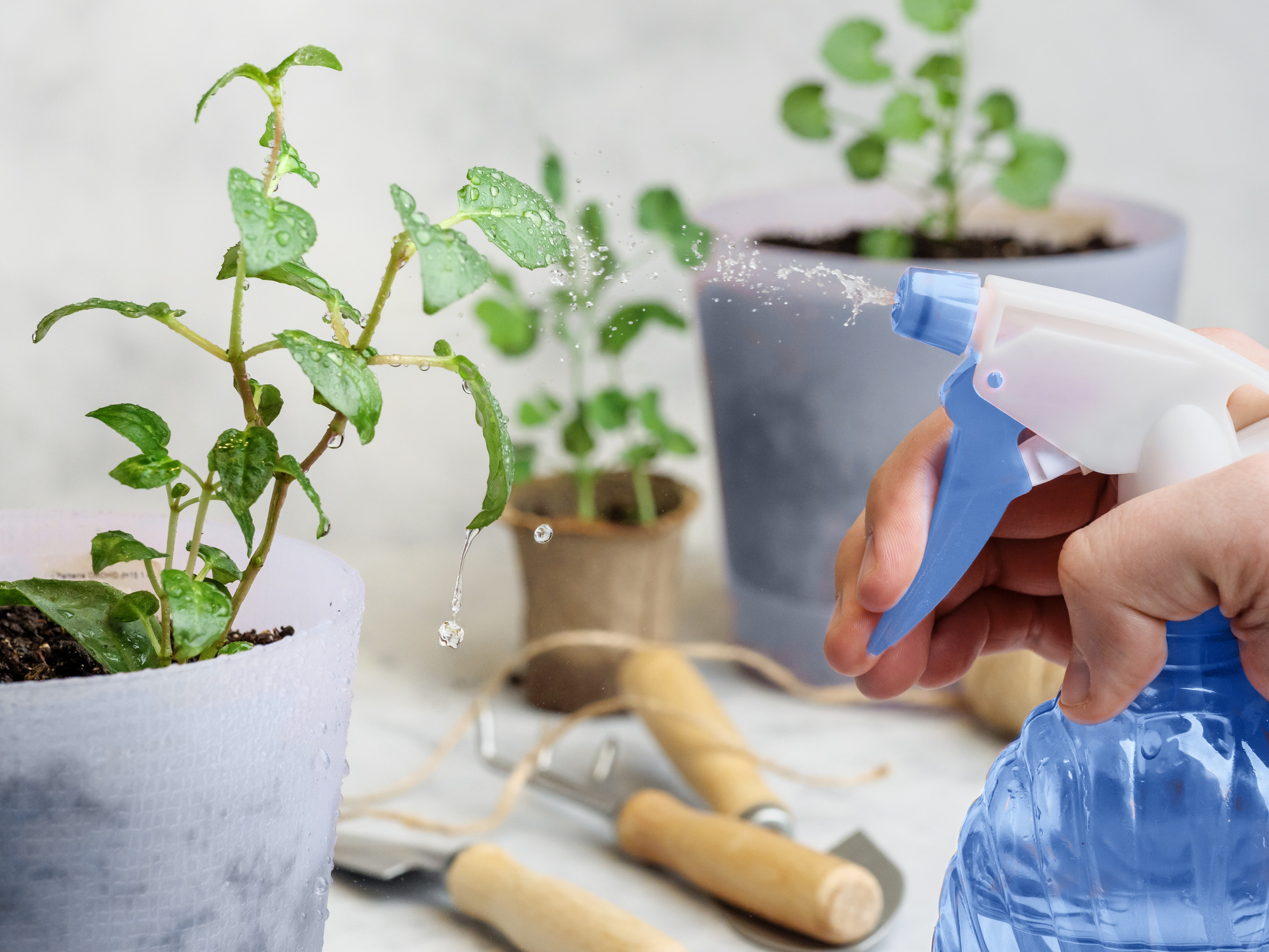
Pests and diseases are inevitable, but how you deal with them can make all the difference. Stay vigilant and inspect your plants regularly for signs of damage. Instead of reaching for harsh chemicals, try natural remedies like neem oil or insecticidal soap.
Introduce beneficial insects, like ladybugs, that prey on harmful pests. And don’t forget the power of good hygiene; removing fallen leaves and debris helps prevent disease.
Conclusion
By nurturing your plants with these essential habits, you’re not just growing a garden; you’re creating an ecosystem where every leaf, petal, and stem has the chance to thrive. The effort you put in now will pay off with lush, vibrant greenery that brings beauty, joy, and even a sense of accomplishment. So roll up your sleeves, get your hands dirty, and watch your garden flourish.