7 Foods Doctors Say You Should Eat More of After Age 30

As we journey through life, our bodies change, and our nutritional needs evolve. After the age of 30, maintaining a healthy and balanced diet becomes more important than ever to support energy levels, longevity, and overall well-being. Our metabolism slows, muscle mass begins to decline, and bones lose density, making it crucial to adapt our eating habits to age gracefully.
To keep your body functioning at its best, here are 7 foods doctors recommend incorporating into your diet after 30.
Leafy Greens
Leafy greens like spinach, kale, and Swiss chard are packed with vitamins, minerals, and fiber. These vegetables are rich in Vitamin K, which plays a vital role in bone health and the prevention of osteoporosis. They are also a great source of folate, which is essential for cell function and regeneration.
As we age, our bones need extra care, and the antioxidants in leafy greens help reduce the inflammation that can lead to chronic conditions like arthritis. Additionally, their high fiber content supports digestion and helps regulate blood sugar levels.
Berries

Blueberries, strawberries, and raspberries are not only delicious but also rich in antioxidants. These small fruits are rich in anthocyanins, which can reduce oxidative stress and protect the body from age-related diseases. Berries are also known to improve brain health by promoting better memory and cognitive function.
With their natural sweetness and low-calorie content, they are the perfect snack for those looking to satisfy their cravings while nourishing their bodies.
Salmon
Fat is not the enemy, especially when it comes from healthy sources like fatty fish. Salmon is rich in omega-3 fatty acids, which are crucial for heart health. These healthy fats can lower cholesterol levels, reduce inflammation, and improve blood circulation, all of which are vital for reducing the risk of cardiovascular diseases as we age.
Omega-3s also support brain health, helping prevent cognitive decline and boost mental clarity. Aim to incorporate salmon or other fatty fish like mackerel and sardines into your diet at least twice a week.
Nuts and Seeds
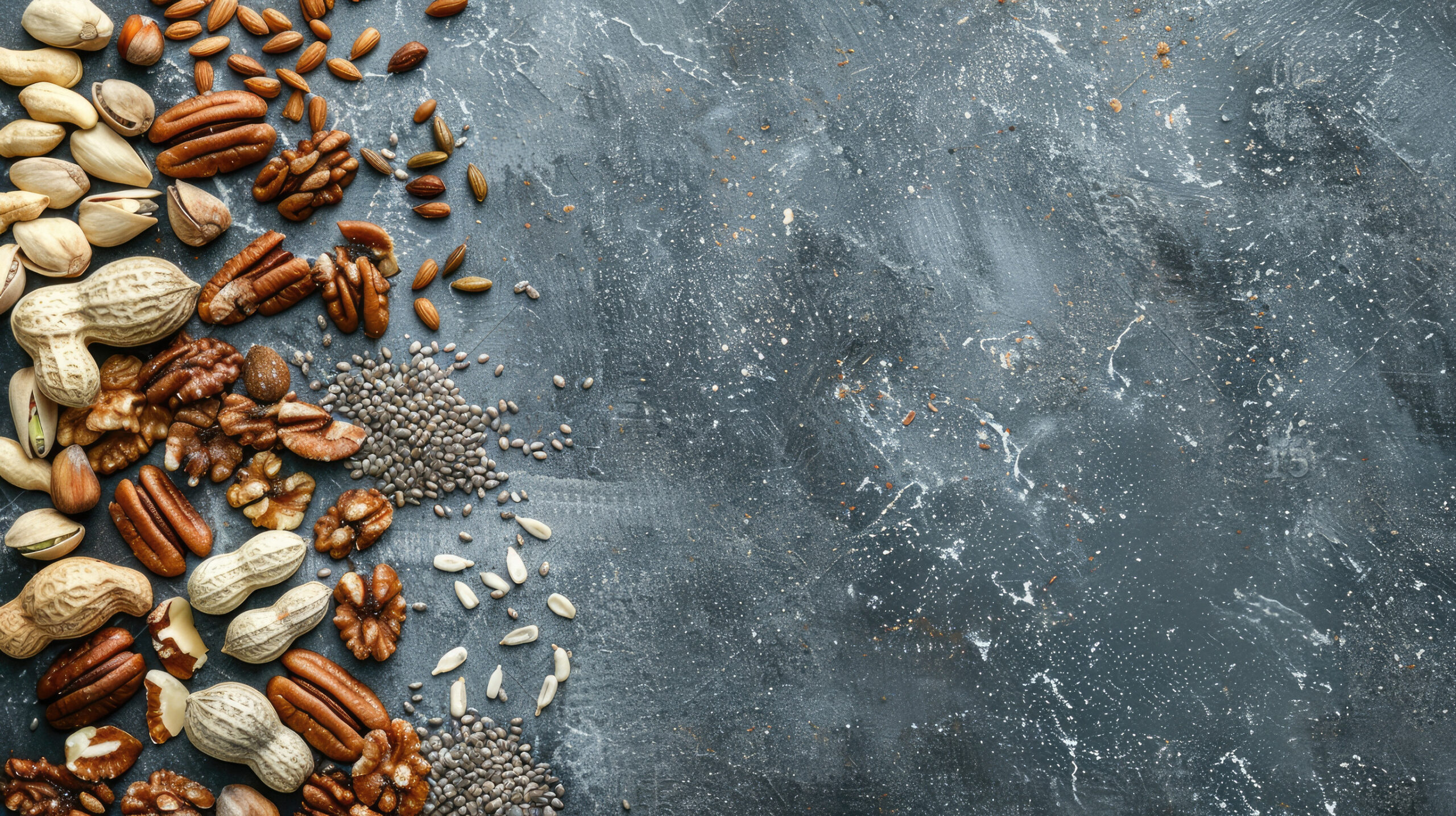
Nuts and seeds, such as almonds, walnuts, chia seeds, and flaxseeds, are loaded with healthy fats, protein, and fiber. These foods are not only heart-healthy but also excellent for maintaining muscle mass, which naturally declines as we age. They are rich in Vitamin E, an antioxidant that supports skin health by reducing wrinkles and fine lines.
Nuts like walnuts are also packed with Omega-3s, making them a perfect complement to fatty fish. For a quick, satisfying snack, a handful of mixed nuts and seeds can provide lasting energy and help keep hunger at bay.
Avocados
Avocados are an incredibly versatile fruit that’s loaded with healthy monounsaturated fats, fiber, and essential vitamins like Vitamin E, Vitamin K, and potassium. These nutrients help regulate blood pressure, support heart health, and improve skin elasticity. As we age, our skin loses moisture and elasticity, and avocados can help slow down this process.
Their healthy fats also aid in the absorption of fat-soluble vitamins and help maintain healthy brain function. Add avocados to your salads, smoothies, or even as a spread on toast to enjoy their many benefits.
Sweet Potatoes

Sweet potatoes are an excellent source of complex carbohydrates, which provide a slow, steady release of energy and help prevent blood sugar spikes. Packed with beta-carotene, Vitamin A, and Vitamin C, sweet potatoes are beneficial for eye health, immune function, and skin health. They are also a great source of potassium, which helps regulate fluid balance and support healthy muscles.
As we age, our energy levels can dip, and sweet potatoes offer a wholesome, nutrient-dense way to fuel the body while keeping cravings under control.
Greek Yogurt
Greek yogurt is a fantastic source of protein, calcium, and probiotics, which are beneficial bacteria that support a healthy gut. A balanced gut microbiome is essential for digestion, immune function, and even mental health. As we age, gut health becomes increasingly important because a poorly functioning digestive system can lead to a host of problems, from bloating to weakened immunity.
Probiotics in Greek yogurt can help maintain a healthy gut flora, aiding in digestion and nutrient absorption. Choose plain, unsweetened Greek yogurt for the best health benefits, and consider adding fresh berries or a drizzle of honey for a nutritious, satisfying snack.
Conclusion
Eating a variety of nutrient-dense foods after 30 is essential to maintaining optimal health as we age. By incorporating more leafy greens, berries, fatty fish, nuts, avocados, sweet potatoes, and Greek yogurt into your diet, you’ll be nourishing your body with the vitamins, minerals, and healthy fats it needs to thrive.
These foods not only support heart health, muscle maintenance, and skin elasticity but also protect against age-related diseases. So, embrace these foods and make them a regular part of your meals to ensure a healthier, more vibrant life as you grow older.
Read the original Crafting Your Home