7 Food Basics Everyone Should Know

Food is the foundation of life, fueling our bodies, minds, and spirits. But in today’s world, where fast food and processed meals are often more accessible than fresh ingredients, understanding the basics of food can be a game-changer. Whether you’re a seasoned home cook or someone just beginning to explore the world of food, there are some essential principles every person should know.
These food basics not only help you make healthier choices but also empower you to create meals that are both satisfying and nutritious. Let’s dive into seven key food basics everyone should know.
The Power of Whole Foods

When it comes to nutrition, whole foods are your best friend. These are foods that are as close to their natural state as possible, such as fruits, vegetables, whole grains, nuts, and seeds. Unlike processed foods, which are often high in unhealthy fats, sugar, and sodium, whole foods are rich in essential nutrients like fiber, vitamins, and minerals that support overall health.
Incorporating more whole foods into your diet means choosing fresh produce, grains like quinoa or brown rice instead of refined options like white rice, and snacking on raw nuts or seeds rather than chips or candy. Whole foods not only provide lasting energy but also help to regulate your blood sugar and prevent overeating.
The Role of Protein
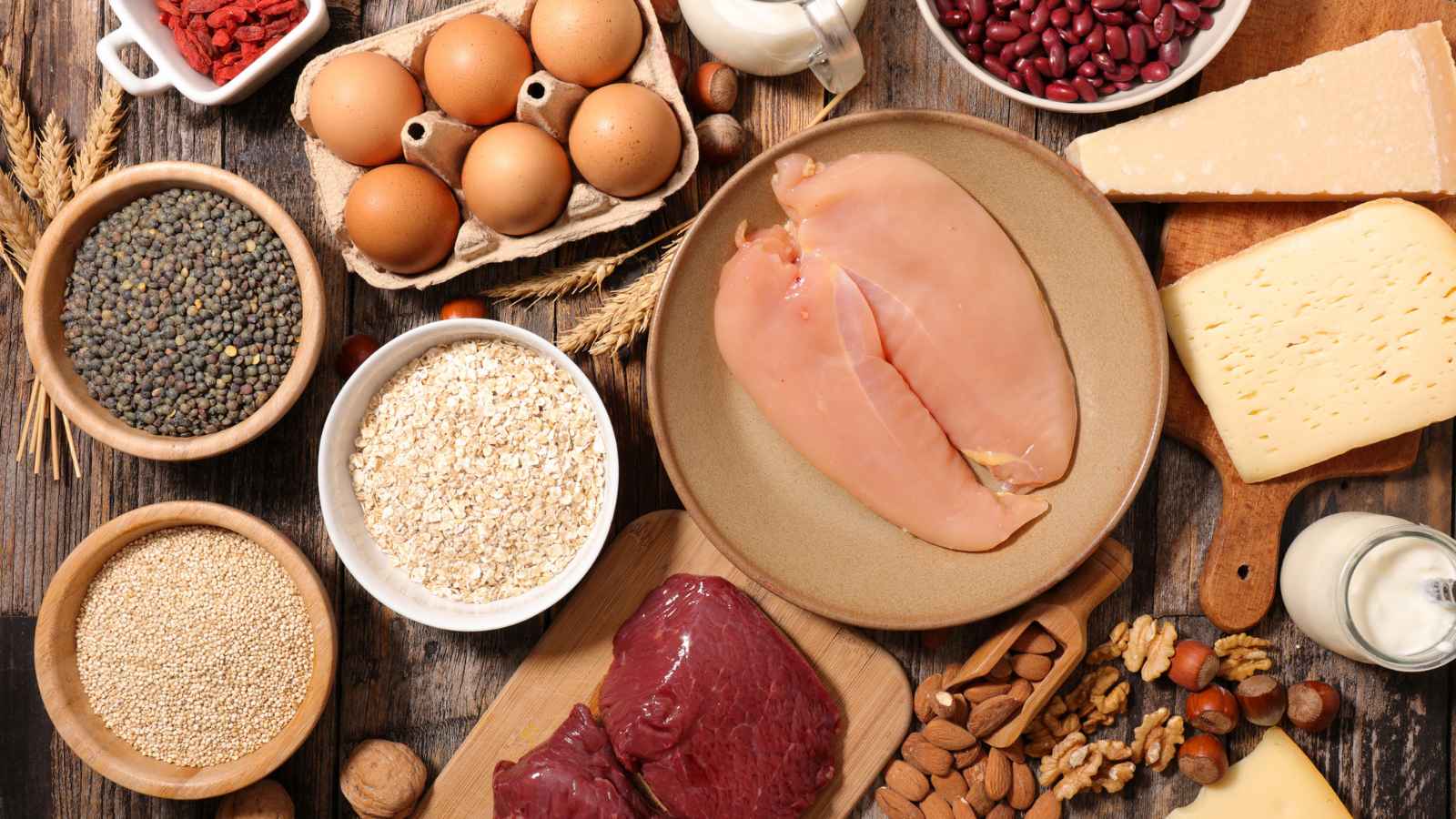
Protein is an essential macronutrient that plays a critical role in building and repairing tissues, producing enzymes and hormones, and supporting immune function. While protein is often associated with meat, many plant-based sources offer the same benefits, such as beans, lentils, tofu, and quinoa.
Incorporating a variety of protein sources into your diet, both animal and plant-based, ensures you’re getting the full spectrum of amino acids your body needs to thrive. Aim to include a good source of protein with every meal to keep your energy levels stable and hunger at bay.
Understanding Healthy Fats
Not all fats are created equal. While many people avoid fat in their diets, healthy fats are crucial for brain health, hormone regulation, and the absorption of certain vitamins. These fats, found in foods like avocados, olive oil, nuts, seeds, and fatty fish, help maintain cell integrity and provide long-lasting energy.
It’s important to differentiate between healthy fats (unsaturated fats) and unhealthy fats (saturated fats and trans fats). Healthy fats support heart health, reduce inflammation, and can even aid in weight loss by keeping you fuller for longer.
The Importance of Hydration

Water is one of the most underrated nutrients, yet one of the most important. Staying hydrated is essential for proper digestion, energy levels, skin health, and detoxification. Dehydration can lead to fatigue, headaches, and difficulty concentrating, all of which can hinder your productivity and overall well-being.
Aim to drink at least eight glasses of water per day, and adjust this amount based on your activity level and environment. Additionally, incorporating hydrating foods like cucumbers, watermelon, and leafy greens can further boost your hydration levels.
The Balance of Carbohydrates
Carbohydrates are your body’s primary source of energy, but not all carbs are created equal. Simple carbohydrates, found in foods like sugary snacks, refined bread, and sodas, can cause spikes and crashes in blood sugar, leading to energy dips and cravings.
Complex carbohydrates, on the other hand, are rich in fiber and take longer to digest, providing sustained energy throughout the day. Whole grains, sweet potatoes, legumes, and vegetables are excellent sources of complex carbs. By focusing on these, you’ll avoid the rollercoaster ride of blood sugar highs and lows.
The Power of Fiber
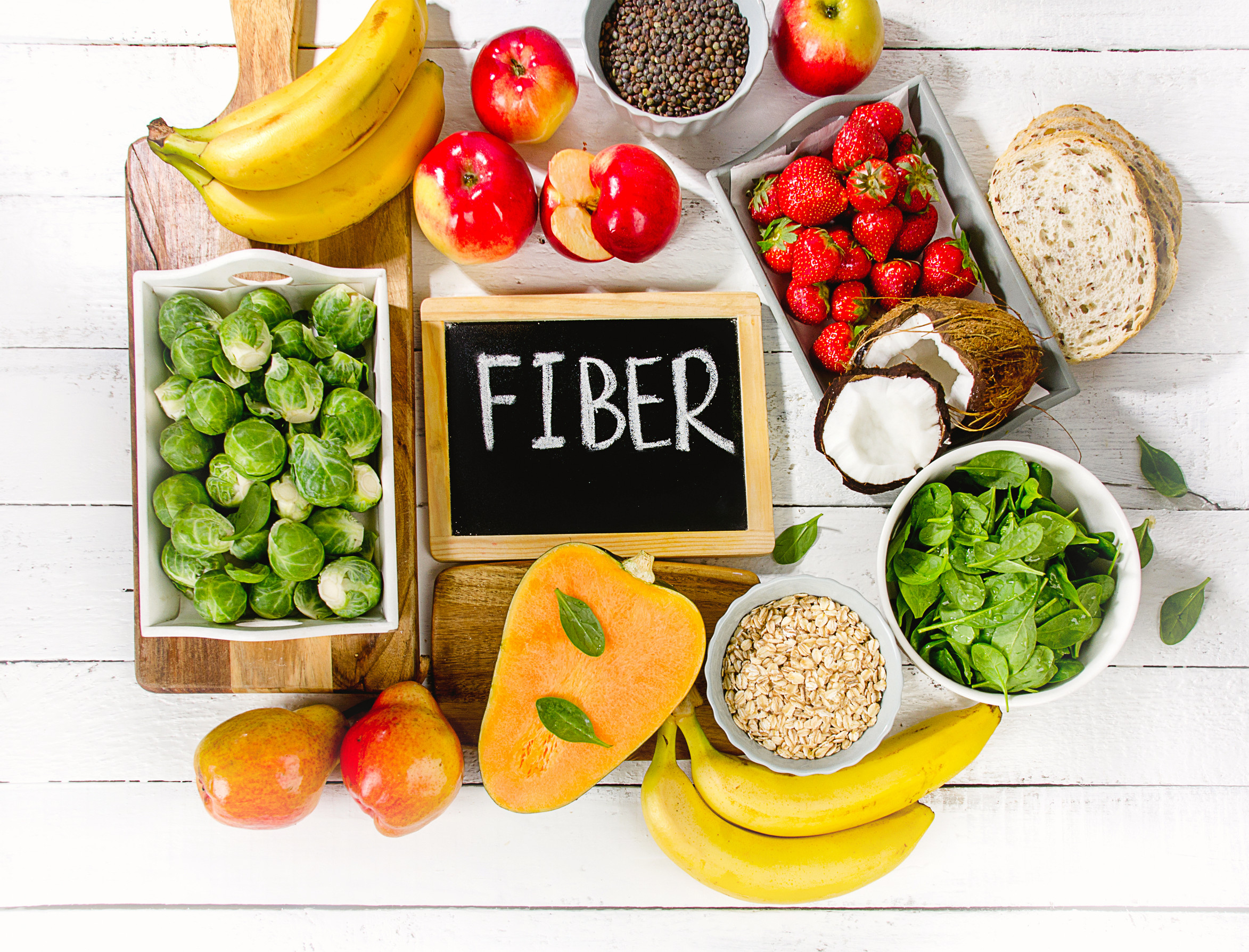
Fiber is often overlooked, but it plays a crucial role in digestive health and weight management. Found in fruits, vegetables, whole grains, legumes, and nuts, fiber helps regulate bowel movements, supports gut health, and keeps you feeling fuller for longer.
There are two types of fiber: soluble and insoluble. Soluble fiber, found in oats, beans, and fruits like apples, can help lower cholesterol, while insoluble fiber, found in vegetables and whole grains, aids in digestion and prevents constipation. A fiber-rich diet can reduce the risk of chronic diseases like heart disease, diabetes, and colorectal cancer.
Mindful Eating

Mindful eating is the practice of paying full attention to the eating experience, savoring the taste, texture, and aroma of your food, and being aware of your body’s hunger and fullness cues. This approach can help you develop a healthier relationship with food, prevent overeating, and enjoy meals without guilt.
By slowing down and focusing on the act of eating, you’re more likely to make healthier choices, eat the right portion sizes, and be more in tune with your body’s nutritional needs. Mindful eating can also reduce emotional eating, helping you break free from the cycle of eating for comfort rather than hunger.
Conclusion
Understanding the basics of food is more than just knowing what’s good for your body; it’s about creating a balanced, sustainable approach to eating that nourishes you from the inside out. From the importance of whole foods and protein to the power of healthy fats, hydration, and mindful eating, these seven food basics are the building blocks of a healthy lifestyle.