8 Everyday Items You Didn’t Know Were Full of Germs (And How to Clean Them)
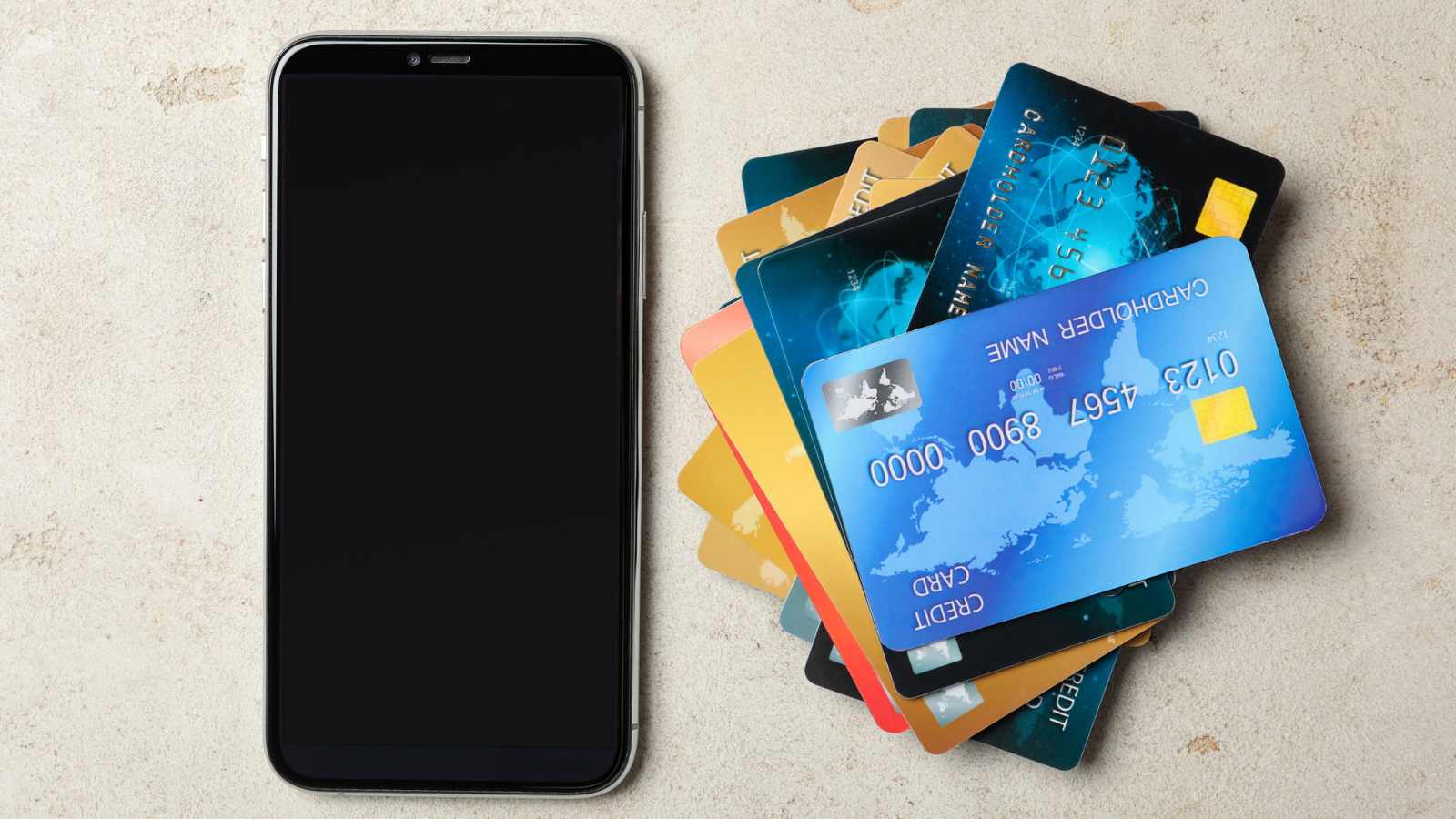
Image Credit: liudmilachernetska/123rf
We interact with dozens of everyday objects that are far from as clean as we might think. Germs are insidious creatures that thrive in the most unexpected places. It’s easy to assume certain items are clean because they’re used often, but the truth is, many everyday objects harbor germs that could potentially affect our health.
To help you stay safe, we’ve rounded up these everyday items you likely don’t disinfect often enough, along with simple yet effective methods to keep your health uncompromised.
Reusable Grocery Bags

Reusable shopping bags are hailed as eco-friendly and a solution to reducing plastic waste. But they can be a hidden breeding ground for bacteria if not cleaned regularly.
Why They Get Germy:
Unlike disposable bags, reusable bags are used multiple times, increasing the likelihood of bacteria transfer between grocery items. Studies have shown that these bags often contain E. coli, Salmonella, and other harmful bacteria. The moist environment from fruits, vegetables, and meat juices can further accelerate bacterial growth, especially when stored in a warm car trunk.
How to Disinfect:
To keep your bags clean, wash them regularly, ideally after each grocery run. Machine-wash them or wash by hand using hot water and detergent. For bags that can’t be machine-washed, a quick rinse with a diluted vinegar solution can do wonders in killing off most bacteria.
Cell Phones
Your cell phone is a necessary tool in your day-to-day life, but it’s also one of the most germ-laden objects you touch regularly.
Why They Get Germy:
Phones are constantly exposed to surfaces, touched by your hands, and sometimes come into contact with your face. All of these actions allow bacteria to accumulate, especially in the crevices and around buttons.
How to Disinfect:
Use a microfiber cloth and an alcohol-based solution to clean your phone regularly. Pay attention to the screen, buttons, and ports. You can also use disinfecting wipes to sanitize your phone’s surface, helping prevent the spread of germs every time you pick it up.
Credit and Debit Cards

You may be touching your credit and debit cards multiple times a day without realizing the bacteria they’re collecting. Studies have shown that these cards can harbor harmful bacteria, such as Staphylococcus, and may even contain traces of fecal matter.
Why They Get Germy:
Credit cards pass through multiple hands and surfaces, collecting bacteria and viruses along the way. When you hand over your card at the store or swipe it at an ATM, germs from those surfaces are transferred to your card.
How to Disinfect:
To keep your cards germ-free, wipe them down regularly with an antibacterial wipe or disinfectant spray. Carrying a small bottle of hand sanitizer with you and using it after touching public surfaces can also help reduce the spread of bacteria.
Reusable Water Bottles
Your water bottle might seem harmless, but if it’s not cleaned correctly, it can harbor millions of bacteria. Studies have revealed that some reusable bottles contain up to 20 million colony-forming units of bacteria, far more than what you’d find on a toilet seat.
Why They Get Germy:
When you drink from your bottle, bacteria from your mouth are transferred into it. The moist, warm environment creates an ideal home for harmful pathogens, including mold and E. coli. The cap and straws, which are often overlooked, can be especially contaminated with these microbes.
How to Disinfect:
Wash your water bottle after every use with hot, soapy water. Be sure to clean every part, especially the lid and straw. For a deeper clean, use a vinegar-water solution or a specialized bottle cleaner to tackle any stubborn grime and bacteria buildup.
Yoga Mats
Yoga mats are supposed to promote relaxation and wellness, but they are also notorious for harboring germs, fungi, and bacteria.
Why They Get Germy:
Whether you use your mat at home or at the gym, it’s subjected to sweat, skin cells, and dirt, all of which can accumulate over time. Public yoga mats are especially concerning because they’re shared by many people, spreading germs from one person to another.
How to Disinfect:
Clean your yoga mat regularly with a disinfecting wipe or a diluted solution of water and mild soap. If you’re using your mat in a public setting, consider bringing your own mat or wiping it down before and after each use. For a deeper clean, wash it with warm water and soap.
Public Touchscreens
Public touchscreens, whether at self-checkouts, airports, or in public transportation stations, are hotspots for germs and bacteria.
Why They Get Germy:
These surfaces are touched by countless people daily, collecting germs from hands, face, and even food. A study found that public touchscreens are often contaminated with bacteria such as Staphylococcus and Enterococcus faecalis and can even harbor dangerous pathogens like Listeria.
How to Disinfect:
While it’s not possible to disinfect touchscreens after each use, it’s essential to wash your hands after touching public screens. Consider carrying hand sanitizer and using it after interacting with any public touchscreen. Avoid touching your face afterward.
Makeup Brushes and Sponges
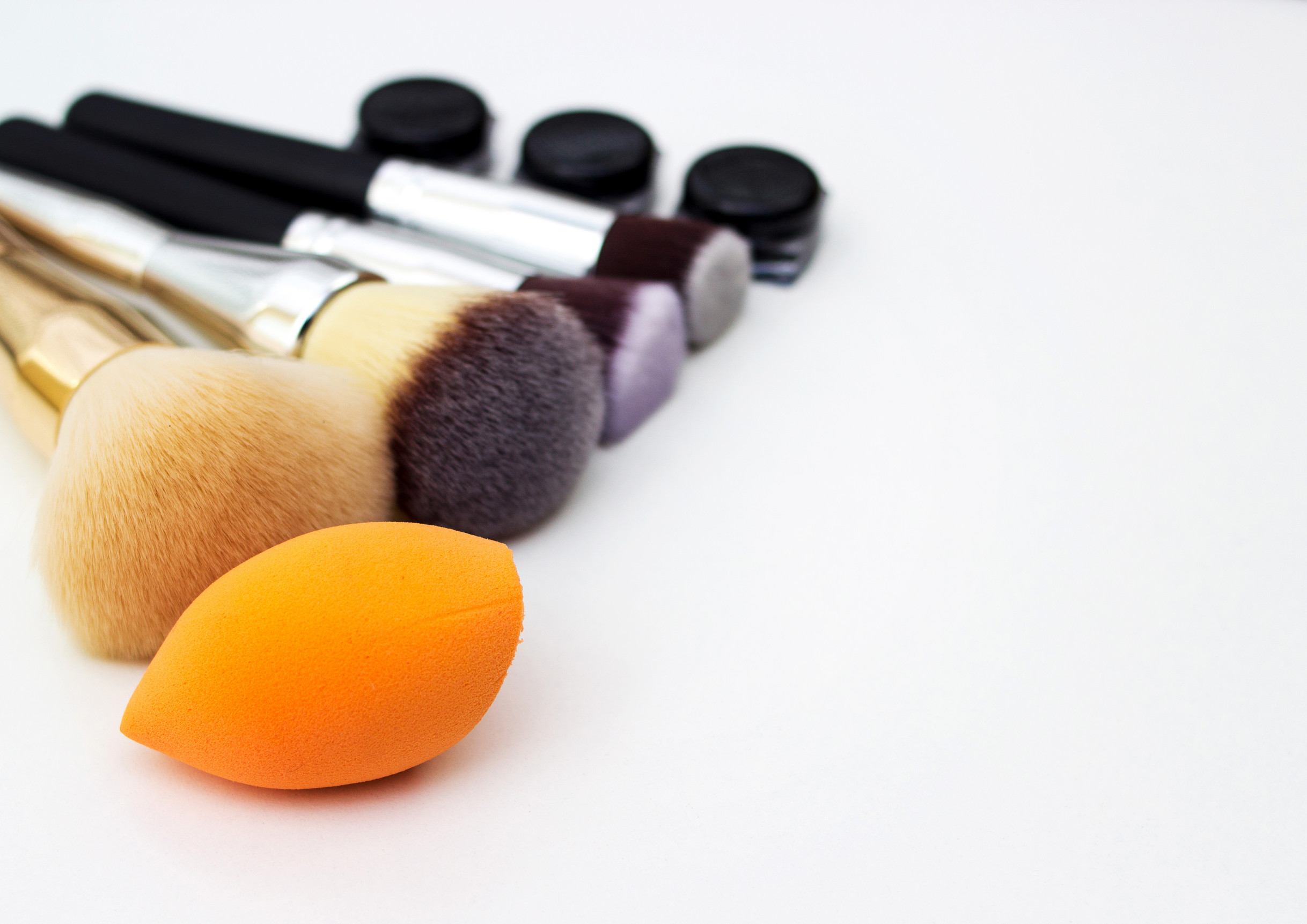
Makeup tools, such as brushes and sponges, are essential for your beauty routine but can quickly become contaminated with bacteria and fungi.
Why They Get Germy:
Studies show that makeup sponges, in particular, are notorious for harboring bacteria. When used on your face, makeup tools can transfer oils, dirt, and bacteria, leading to skin infections and breakouts.
How to Disinfect:
Clean your brushes and sponges after every use with mild soap and water. For deeper cleaning, use a brush cleaner or a vinegar-water mixture. Let them dry completely before using them again. Keeping your makeup tools clean can help prevent skin irritation and infections.
Kitchen Cutting Boards
Cutting boards are a staple in every kitchen, but they are often home to dangerous bacteria, particularly when used to chop raw meat or vegetables.
Why They Get Germy:
Plastic and wooden cutting boards can accumulate bacteria in the grooves caused by knives. These hidden bacteria can be transferred to food, especially when cutting raw meat, which may contain harmful pathogens such as Salmonella and E. coli.
How to Disinfect:
Clean your cutting boards thoroughly after every use. For wooden boards, use mild soap and allow them to dry completely. For plastic boards, put them in the dishwasher or scrub them with hot, soapy water. Periodically sanitize your boards with a diluted bleach solution or white vinegar.
Key Takeaways

By adopting a proactive approach to cleaning and disinfecting these everyday items, you can significantly reduce your exposure to harmful germs and bacteria. A small effort to maintain hygiene can help safeguard your health and well-being, making these everyday items a little safer to use.