


Cotton Candy grapes sound like something a grocery store invented after leaving a produce manager alone with a carnival menu and too much confidence. They look innocent, sit quietly in the fruit section, and then somehow cost more than regular grapes while promising a snack that tastes like spun sugar without the sticky fingers.
The catch is that not every bag is worth grabbing. Some taste like a county fair in fruit form, and others taste like regular green grapes wearing a fake mustache. Before shoppers toss a pricey bag into the cart, these are the eight mistakes that can turn Cotton Candy grapes from a sweet little treat into a produce-section regret.
Buying Them Just Because the Name Sounds Fun

The name does a lot of heavy lifting. Cotton Candy grapes are famous for delivering a candy-like flavor without being actual candy, but that does not mean every bag will taste equally magical. Grapery describes them as crisp, all-natural grapes with a flavor similar to pink spun carnival candy, and the company also says its grapes are grown without GMOs. That matters because some shoppers still assume the flavor comes from syrup, injections, or grocery-store witchcraft, when the real story is selective breeding and careful growing.
That said, the name can trick shoppers into expecting dessert-level drama from every bite. These grapes are still grapes, not a wand from Willy Wonka’s unpaid internship program. Their flavor depends on ripeness, grower, handling, temperature, and how long they have been sitting around. Buy them for a fun fruit experience, not because you expect them to replace cotton candy at a kid’s birthday party and somehow clean the kitchen afterward.
Ignoring Where the Bag Came From
Origin matters more than many shoppers think. Cotton Candy grapes can show up from several growing regions during the year, which helps explain why they seem to appear outside their most famous California window. California table grapes are generally available from May through January, and the California Table Grape Commission says the state produces 99 percent of U.S. table grapes.
That does not mean every Cotton Candy grape on the shelf is from California. Early-season bags may come from Mexico or other licensed growing regions, and the eating quality can vary from batch to batch. The smartest move is simple and very unglamorous: flip the bag over like a detective with a fruit budget. Check the country of origin, the pack date if available, and the overall condition before falling for the front-label hype.
Expecting Peak California Flavor Too Early
This is where impatient shoppers get humbled by grapes. Grapery lists its Cotton Candy grapes as available from mid-August to late September, which is the window many fans associate with the strongest California-season flavor.
Buying them earlier can still be worth it, especially if the bag looks fresh and the price is reasonable. The problem starts when shoppers pay premium money in early summer and expect peak late-summer flavor. Early bags can be good, but they can also be uneven, softer, or less intense. Think of them like movie trailers. They may be exciting, but they are not always full-on blockbusters.
Choosing the Brightest Green Bag Every Time

Many shoppers assume greener means better, but Cotton Candy grapes can be sneaky little actors. A bright green bag may look fresher at first glance, but flavor can be stronger when the grapes have a warmer golden-green or tan-green tone. That does not mean shoppers should buy grapes that look brown, shriveled, or tired enough to need a nap.
The better test is balance. Look for grapes that are plump, well attached to the stems, and free of wet spots or leaking berries. UC Davis notes that grape stems are a useful freshness clue because they lose moisture before the fruit, and dry stems can suggest poor temperature management. In plain English, the stem is the grape’s receipt. If it looks like it has been through a desert road trip, put the bag back.
Forgetting the Cold Flavor Trick
Cotton Candy grapes usually taste better cold. Warm grapes can taste flatter, softer, and more ordinary, which is deeply unfair after paying specialty-grape prices. A chilled bag gives the texture more snap and helps the sweet aroma come through with more confidence.
This also makes them a perfect fridge snack for people who want dessert energy without committing to cake-level consequences. Keep them cold, rinse only what you plan to eat, and serve them straight from the refrigerator. If they still taste boring after a good chill, congratulations, you bought regular grapes with a stage name.
Washing the Whole Bag Too Soon
Pre-washing the entire bag feels productive, but grapes do not reward that kind of enthusiasm. Extra moisture can speed spoilage, especially if the grapes go back into the fridge damp and crowded. The FDA advises washing produce thoroughly under running water before preparing or eating it, but it also warns against using soap, detergent, or commercial produce wash because produce can absorb residues.
The practical move is to store the bag in a cold, dry place, then wash portions right before eating. Dry them with a clean towel if they seem wet after rinsing. This is not glamorous kitchen wisdom, but neither is throwing away a $9 bag of grapes because half of them turned into tiny green stress balls.
Forgetting They Can Be Frozen
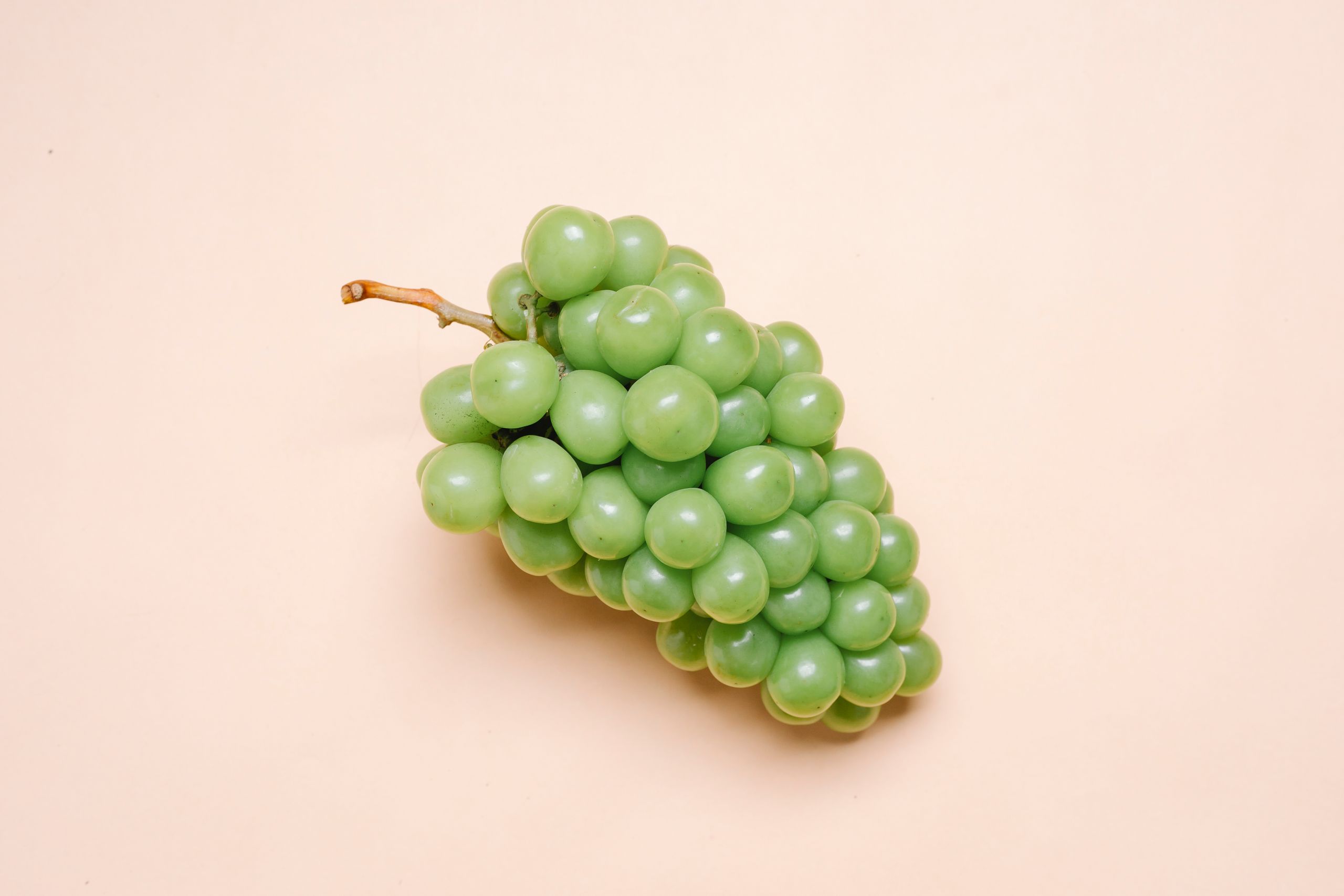
Frozen Cotton Candy grapes are the loophole dessert people forget about. If a bag is ripe, sweet, and close to turning soft, freezing can save the day. Wash them, dry them well, pull them from the stems, spread them on a tray until firm, then move them into a freezer-safe bag.
The result is a cold, chewy snack that tastes like grape candy without the dramatic sugar crash of actual candy. They also work in sparkling water, mocktails, lunchboxes, or those late-night moments when you open the freezer as if it owes you answers. The only warning is texture. Once thawed, grapes can get mushy, so eat them frozen and let them live their best little popsicle life.
Final Bite
Cotton Candy grapes can absolutely be worth buying, but they are not a blind-cart item. The best bags usually have good origin details, plump fruit, healthy stems, fair pricing, and enough chill to bring out that candy-like flavor. The worst bags are just expensive green grapes with a better publicist.
Treat them like a seasonal splurge, not a grocery-store guarantee. Check the bag, compare the price, keep them cold, and do not let the name do all the convincing. In the produce aisle, even grapes can have marketing.


