7 Common Weight Loss Myths You Should Stop Believing

The pursuit of weight loss is often clouded by confusion, misinformation, and the endless array of so-called “quick fixes” that promise instant results. It’s easy to get swept up in the latest trends and popular beliefs, but the truth is, many of these weight loss myths do more harm than good.
“Supplements Are the Key to Quick Weight Loss”

It’s tempting to believe that taking a supplement will magically shed pounds, but supplements are not a shortcut to weight loss. While certain supplements, such as green tea extract or protein powders, can support a healthy weight loss plan, they are not miracle workers.
“All Calories Are Created Equal”
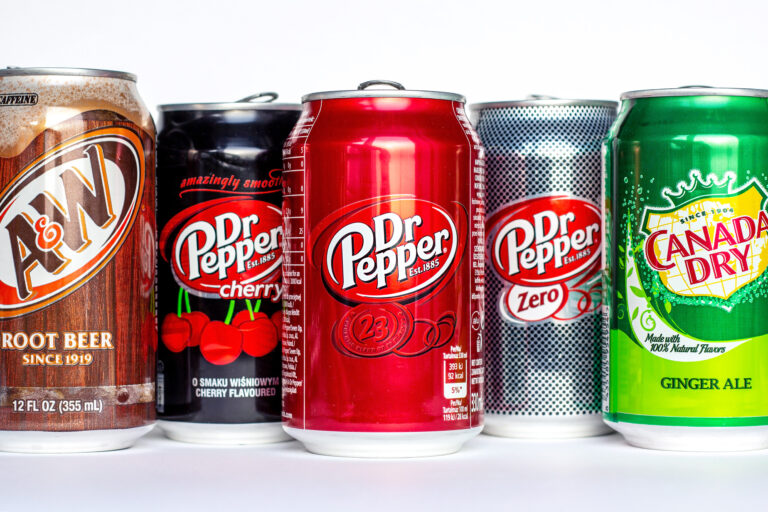
It’s a popular belief that all calories are the same, regardless of the source. In reality, the types of calories you consume play a crucial role in your health and weight-loss goals. A calorie from a sugary soda is not the same as a calorie from a plate of vegetables. The soda provides empty calories, contributing to blood sugar spikes and increased hunger.
“Losing Weight is a Linear Process”
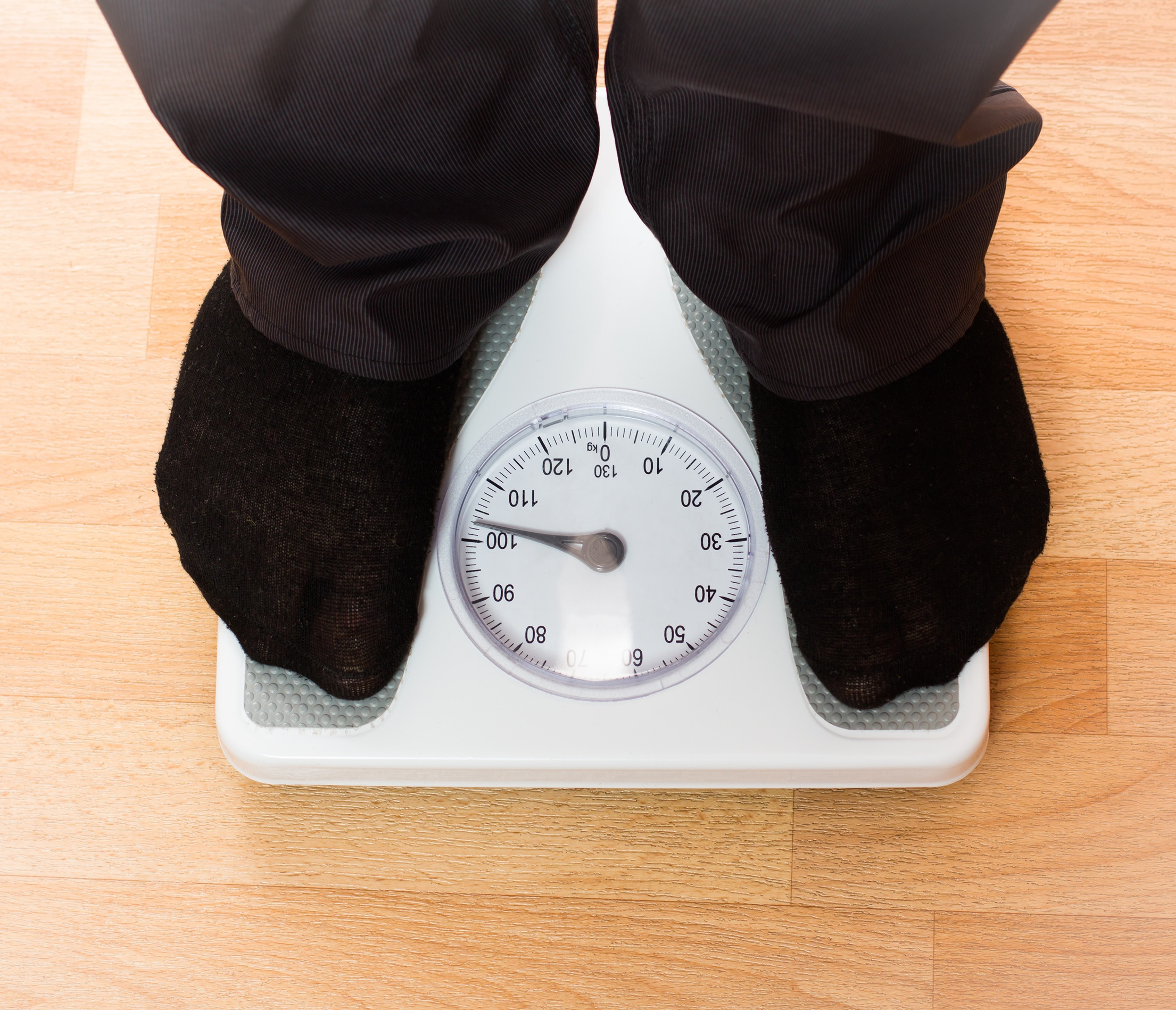
A common myth is that weight loss should be a straight, predictable path. In truth, weight loss is rarely linear. You may experience plateaus, occasional weight gains, or fluctuations in your progress.
“You Have to Eat Less to Lose Weight”
Many people believe that drastically cutting calories will lead to weight loss. However, when you drastically reduce your calorie intake, your body may enter starvation mode, slowing down your metabolism to conserve energy. This can actually make weight loss harder in the long run.
“Carbs Are the Enemy”
Carbohydrates have been unfairly vilified in many popular diets. The truth is, your body needs carbs for energy, especially if you’re active. The key is not to eliminate carbs but to choose the right kinds. Complex carbohydrates, such as whole grains, fruits, and vegetables, provide fiber, which helps keep you full and supports your digestive health.
“Skipping Meals Will Help You Lose Weight”
Skipping meals may seem like a way to cut calories, but it’s not an effective long-term strategy for weight loss. Skipping meals often leads to overeating later in the day, as hunger sets in, causing you to make poor food choices.
Additionally, skipping meals can slow down your metabolism, making it harder for your body to burn fat efficiently. Instead of skipping meals, aim to eat balanced meals and snacks throughout the day to maintain steady energy levels, keep your metabolism running, and prevent overeating.
“Exercise Alone Will Help You Lose Weight”

While exercise is a critical component of weight loss, it’s not the only factor. The misconception that you can out-exercise a poor diet is simply not true. Weight loss primarily occurs through a caloric deficit, which is most effectively achieved through a combination of a healthy diet and regular physical activity.
Exercise helps build muscle, increase your metabolism, and improve overall health, but it must be paired with a well-balanced diet to achieve significant, lasting results.
Conclusion
When it comes to weight loss, debunking these myths is essential for achieving long-term success. The key to effective weight management is not quick fixes or extreme measures, but consistency, balance, and a sustainable approach to diet and exercise.
By focusing on whole foods, staying active, and maintaining a positive mindset, you’ll be well on your way to achieving your health and fitness goals. Always remember, there are no shortcuts, just healthy choices that lead to lasting results.