7 Best Things to Put in a Salad for Flavor and Nutrition

Salads are often seen as the go-to healthy meal, but let’s face it, if you don’t get the balance of flavors and textures just right, they can end up feeling a little bland. Luckily, with the right mix of ingredients, salads can go from dull to dynamite, bursting with vibrant colors, satisfying textures, and rich flavors. The secret lies in layering a variety of ingredients that not only boost the nutrition but also elevate the taste of your salad.
Whether you’re looking to create a filling meal or just a refreshing side, here are the best things to put in a salad for both flavor and nutrition.
Leafy Greens
- Spinach: Packed with iron, vitamin K, and antioxidants, spinach adds a mild, slightly peppery flavor. It’s tender and juicy, making it an ideal base for any salad.
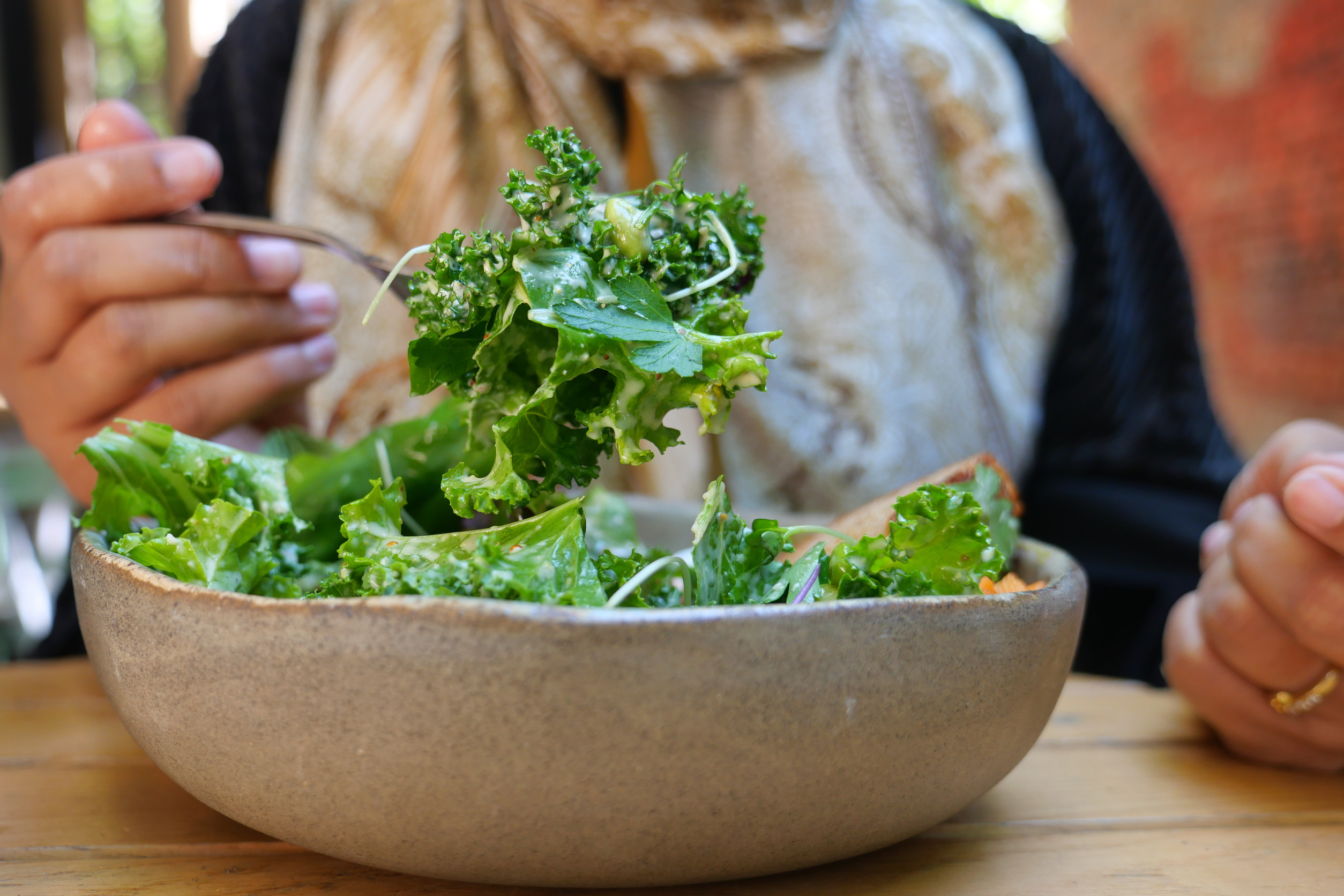
- Kale: For a heartier salad, kale is your best bet. Rich in vitamins A, C, and K, kale is also high in fiber. Its robust texture holds up well to heavier dressings and toppings.
- Arugula: If you like a little bite in your greens, arugula’s peppery flavor adds a spicy kick to any salad. It’s high in vitamins A and K and adds a refreshing contrast to creamy dressings.
- Mixed Greens: A blend of baby lettuce, chard, and frisée adds variety of flavors and textures while providing a mix of vitamins, minerals, and fiber.
Vegetables
- Cucumbers: With their high water content, cucumbers add hydration and a cool, crisp crunch to your salad. They’re a low-calorie option, rich in antioxidants and vitamin K.
- Bell Peppers: Sweet and crunchy, bell peppers are rich in vitamin C and beta-carotene. They add both sweetness and color to your salad. Red, yellow, and orange varieties are especially rich in nutrients.
- Carrots: Shredded or sliced thin, carrots bring a natural sweetness and satisfying crunch. Full of beta-carotene, they support healthy vision and skin.
- Tomatoes: Juicy and tangy, tomatoes are rich in lycopene, a powerful antioxidant that’s great for heart health. They also add a pop of color to your salad.
- Red Onion: Adding a bit of sharpness, red onion can give your salad a burst of flavor. It also provides a healthy dose of antioxidants and anti-inflammatory properties.
- Radishes: If you like a bit of spice, radishes are a great addition. Their crisp texture and peppery flavor help cut through the richness of dressings and creamy ingredients, and they’re high in vitamin C and fiber.
Fruits
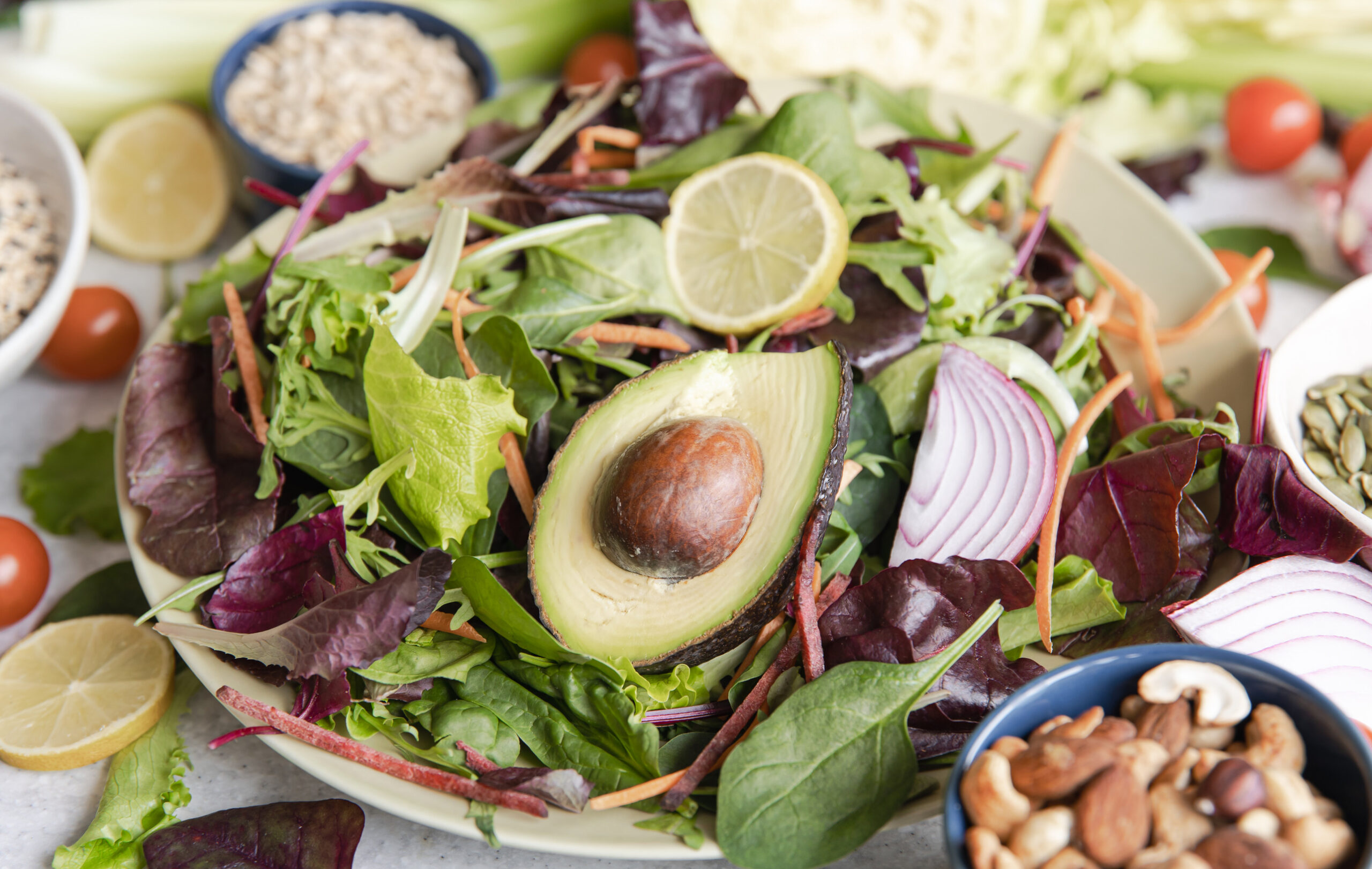
- Avocados: Known for their creamy texture and rich, buttery flavor, avocados bring healthy fats to your salad. They’re an excellent source of heart-healthy monounsaturated fats and offer a dose of potassium, which helps regulate blood pressure.
- Berries: Blueberries, strawberries, and raspberries add natural sweetness and a pop of color. These fruits are rich in antioxidants, fiber, and vitamin C, which support skin health and immune function.
- Apples: Thinly sliced apples provide a sweet crunch that contrasts nicely with savory ingredients. They’re high in fiber and vitamin C, supporting digestive health and boosting immunity.
- Citrus: Oranges, grapefruit, and mandarins can add a tangy burst to your salad. Full of vitamin C and antioxidants, citrus fruits help brighten the flavor and enhance the absorption of iron from your greens.
Nuts and Seeds
- Almonds: These crunchy, slightly sweet nuts are high in vitamin E, fiber, and healthy fats, which help support brain function and heart health.
- Walnuts: Rich in omega-3 fatty acids, walnuts are excellent for reducing inflammation and promoting heart health. Their rich flavor pairs well with greens and fruits, such as apples or berries.
- Pumpkin Seeds: Also known as pepitas, these seeds are a great source of magnesium, iron, and zinc. They add a crunchy texture that complements the softness of greens and fruits.
- Chia Seeds: Chia seeds are packed with omega-3s, fiber, and antioxidants. They’re great for adding a nutritional boost, and when mixed with liquid, they create a gelatinous texture that’s fun to eat.
Cheese
- Feta: Crumbled feta adds a tangy, salty punch that complements the salad’s fresh flavors. Made from sheep’s milk, it’s a good source of calcium and vitamin B12.
- Goat Cheese: Soft, creamy, and slightly tangy, goat cheese melts in your mouth, making it a perfect match for arugula or roasted beets. It’s a great source of calcium, protein, and healthy fats.
- Parmesan: For a more savory touch, freshly grated Parmesan adds a nutty, salty flavor that intensifies the salad’s overall flavor. It’s packed with calcium, protein, and vitamins A and B12.
Dressings
While the ingredients you choose are key, the dressing is what brings everything together. It’s important to balance flavor, richness, and tang to complement the salad’s components.
- Olive Oil and Lemon: For a simple, healthy dressing, a drizzle of extra virgin olive oil paired with fresh lemon juice gives your salad a bright, zesty finish. Olive oil provides healthy fats, while lemon adds vitamin C.
- Balsamic Vinaigrette: A classic favorite, balsamic vinegar adds sweetness and acidity, while olive oil adds richness. This dressing pairs beautifully with both savory and sweet salad ingredients.
- Tahini: Made from ground sesame seeds, tahini offers a creamy, nutty flavor. It’s perfect for drizzling over salads, providing healthy fats and a dose of calcium and magnesium.
- Greek Yogurt Dressing: For a creamy option that’s still light, Greek yogurt offers a tangy base. It’s high in protein and probiotics, which promote gut health and digestion.
Herbs and Spices
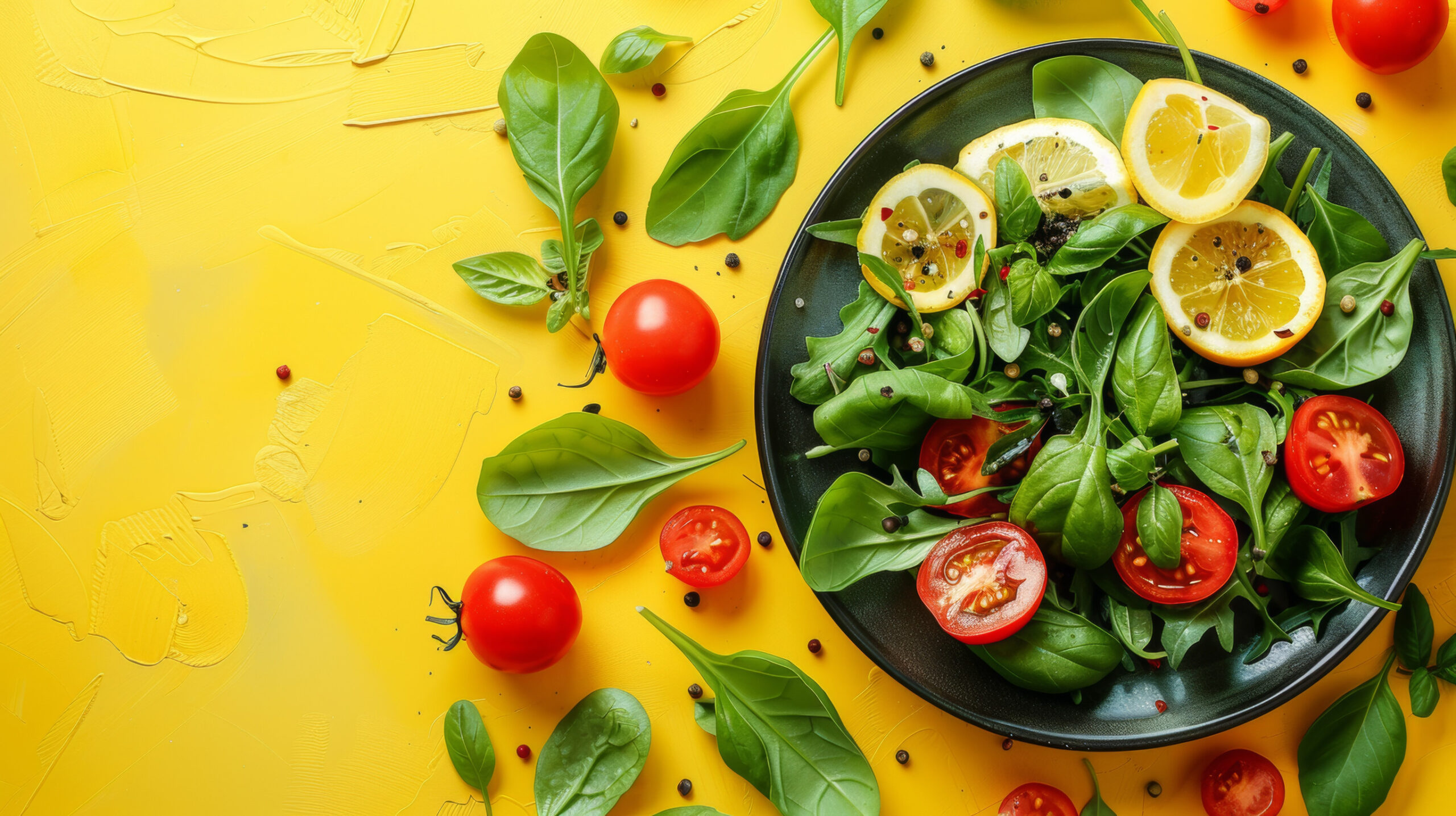
- Basil: Sweet and aromatic, basil adds a fragrant kick to salads, especially those featuring tomatoes or mozzarella. It’s rich in antioxidants and has anti-inflammatory properties.
- Mint: Refreshing and cooling, mint can brighten up any salad, especially when paired with fruits like watermelon or berries. It aids in digestion and offers a burst of freshness.
- Cilantro: Known for its bright, citrusy flavor, cilantro pairs perfectly with spicy salads or those with Mexican-inspired ingredients. It’s great for detoxing and contains essential nutrients, such as vitamins A and K.
- Black Pepper: A simple sprinkle of freshly cracked black pepper can elevate your salad’s flavor, adding subtle heat and a touch of spice without overwhelming the ingredients.
Conclusion
Creating a flavorful and nutritious salad is all about balance. By combining a variety of fresh, whole ingredients from nutrient-packed greens to crunchy nuts and sweet fruits you can make a salad that’s as satisfying as it is healthy. Don’t forget to top it off with a flavorful dressing and a sprinkle of herbs or cheese to tie everything together.
With these ingredients in your salad arsenal, you’ll never have to settle for a boring bowl of greens again.
Read the original Crafting Your Home