


McDonald’s is still one of America’s most recognizable comfort-food symbols, but the golden arches are no longer getting the automatic pass they once enjoyed. The company remains huge, with McDonald’s reporting a 3.9% increase in U.S. comparable sales in the first quarter of 2026, yet the noise around the brand keeps getting louder.
That is the strange tension at the center of the backlash: Americans may still be buying the fries, but many are also questioning the price, the quality, the tech push, and the trust behind the counter.
Prices No Longer Feel Like Fast Food

For years, McDonald’s had a simple promise: cheap food, fast. That promise is now under pressure. McDonald’s USA president Joe Erlinger pushed back against viral claims that prices had doubled, saying the average Big Mac rose from $4.39 in 2019 to $5.29 in 2024, a 21% increase. Still, even the company acknowledged that price complaints had become a major concern among customers.
Value Deals Look Like Damage Control
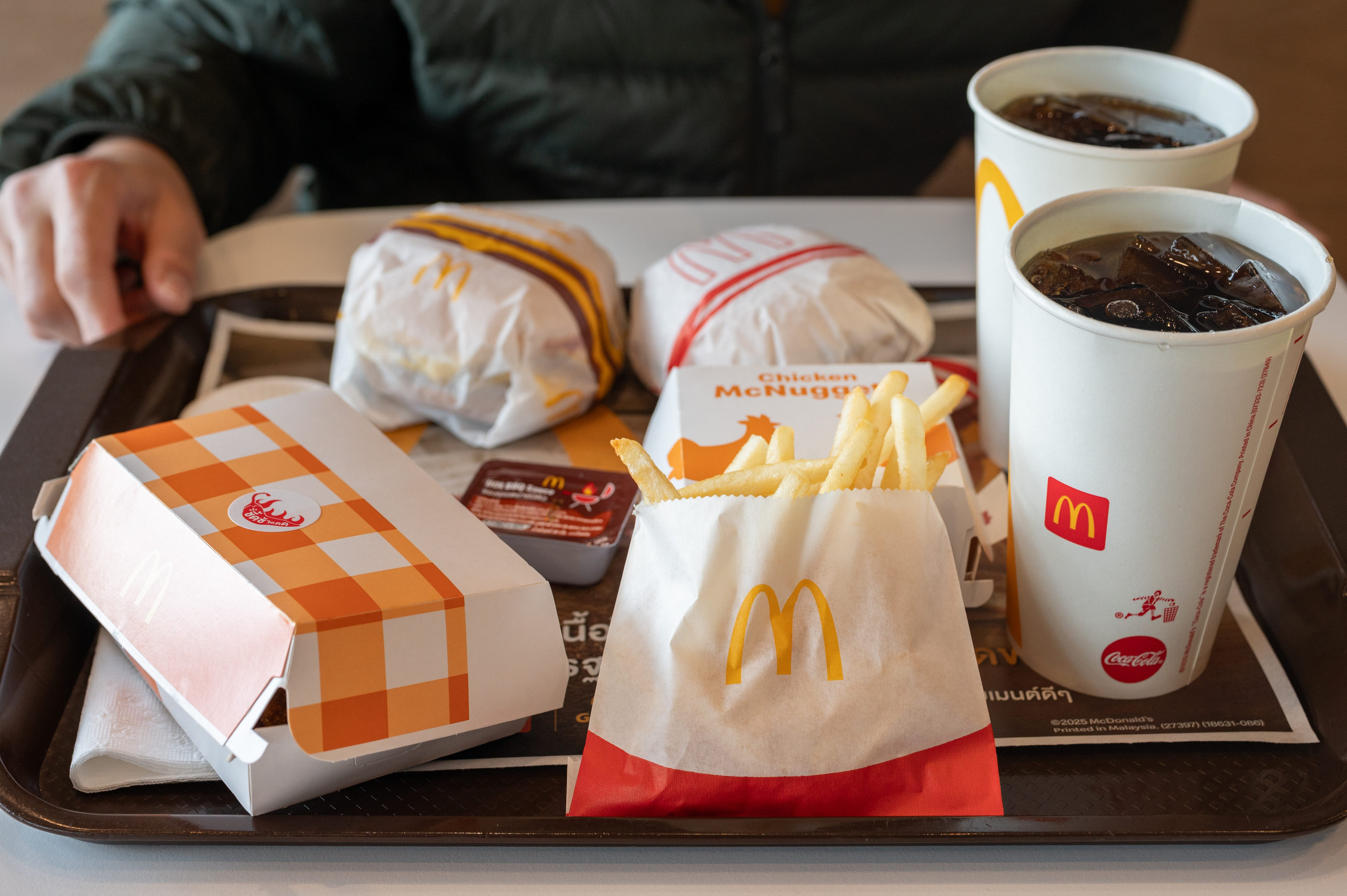
McDonald’s has tried to fight the affordability problem with McValue deals, under-$3 menu items, and a $4 breakfast meal deal. On paper, that sounds like a smart rescue plan. In reality, many customers see these deals as proof that prices got too high in the first place.
Food Safety Trust Took a Serious Hit
Nothing scares fast-food customers faster than the thought that a familiar order could make them sick. The 2024 E. coli outbreak linked to McDonald’s Quarter Pounder ingredients damaged more than a menu item. It damaged the sense of safety that keeps people returning without thinking twice.
Automation Is Making Some Customers Feel Pushed Aside
McDonald’s wants to modernize, but not every customer wants a more robotic restaurant. The chain ended a test of AI drive-thru ordering at more than 100 U.S. locations in 2024 after the technology drew attention for wrong orders and viral customer frustration. That trial may be over, but the bigger concern remains: some Americans feel fast food is becoming less human and more annoying.
Delivery and App Fees Undercut the “Cheap Meal” Image

The McDonald’s app can offer deals, points, and quick ordering, but it also pulls customers into a digital system where prices can feel less transparent. McDonald’s own site notes that delivery prices may be higher than restaurant prices and that delivery or other fees may apply. That one sentence explains why some customers feel tricked when a cheap craving turns into a surprisingly expensive checkout.
Corporate Values Have Become a Culture-War Flashpoint
McDonald’s has also been dragged into America’s broader fight over corporate values. In 2025, the company ended some diversity practices, including specific diversity goals for senior leadership, citing the U.S. Supreme Court’s affirmative action ruling. AP described McDonald’s as part of a wider corporate pullback from DEI programs after conservative backlash.
Health Concerns Are Catching Up With the Brand
McDonald’s is also facing a public that is more suspicious of ultra-processed food than it used to be. A federal report found that about 55% of calories consumed by Americans aged 1 and older came from ultra-processed foods between August 2021 and August 2023, with burgers and sandwiches listed among the top sources.
That does not make every McDonald’s order dangerous, but it does place the chain within a broader national concern about diet and chronic disease. The mood is shifting. A Cornell report published in 2026 found that more than 60% of surveyed respondents agreed that ultra-processed foods are addictive and major causes of obesity, Type 2 diabetes, and heart disease.
For McDonald’s, that means the backlash is no longer just about a pricey burger. It is about whether America’s most famous fast-food habit still fits the country Americans say they want to become.
Conclusion
McDonald’s is not facing backlash because Americans suddenly forgot the taste of the fries or stopped recognizing the power of the golden arches. The backlash is growing because the brand now sits at the center of several frustrations people already feel every day: higher prices, shrinking value, health worries, food safety fears, technology replacing human service, and corporate decisions that invite public anger from every direction.
The bigger problem for McDonald’s is emotional. For decades, it sold Americans a simple promise: quick food, familiar taste, and a price that felt easy to justify. Now, that promise feels weaker. When a fast-food meal starts feeling expensive, impersonal, and controversial, customers do not just complain about the burger. They start questioning the whole brand.


