6 Ways Caring for Older Adults Is Changing

Caring for older adults isn’t what it used to be, and that’s a good thing. The story is shifting from “manage decline” to “support a full life.” Families, professionals, and communities are rewriting the rules with smarter tools, deeper respect, and a new kind of realism: people are living longer, and they want those years to feel like theirs.
Care Is Moving From Institutions to Everyday Life
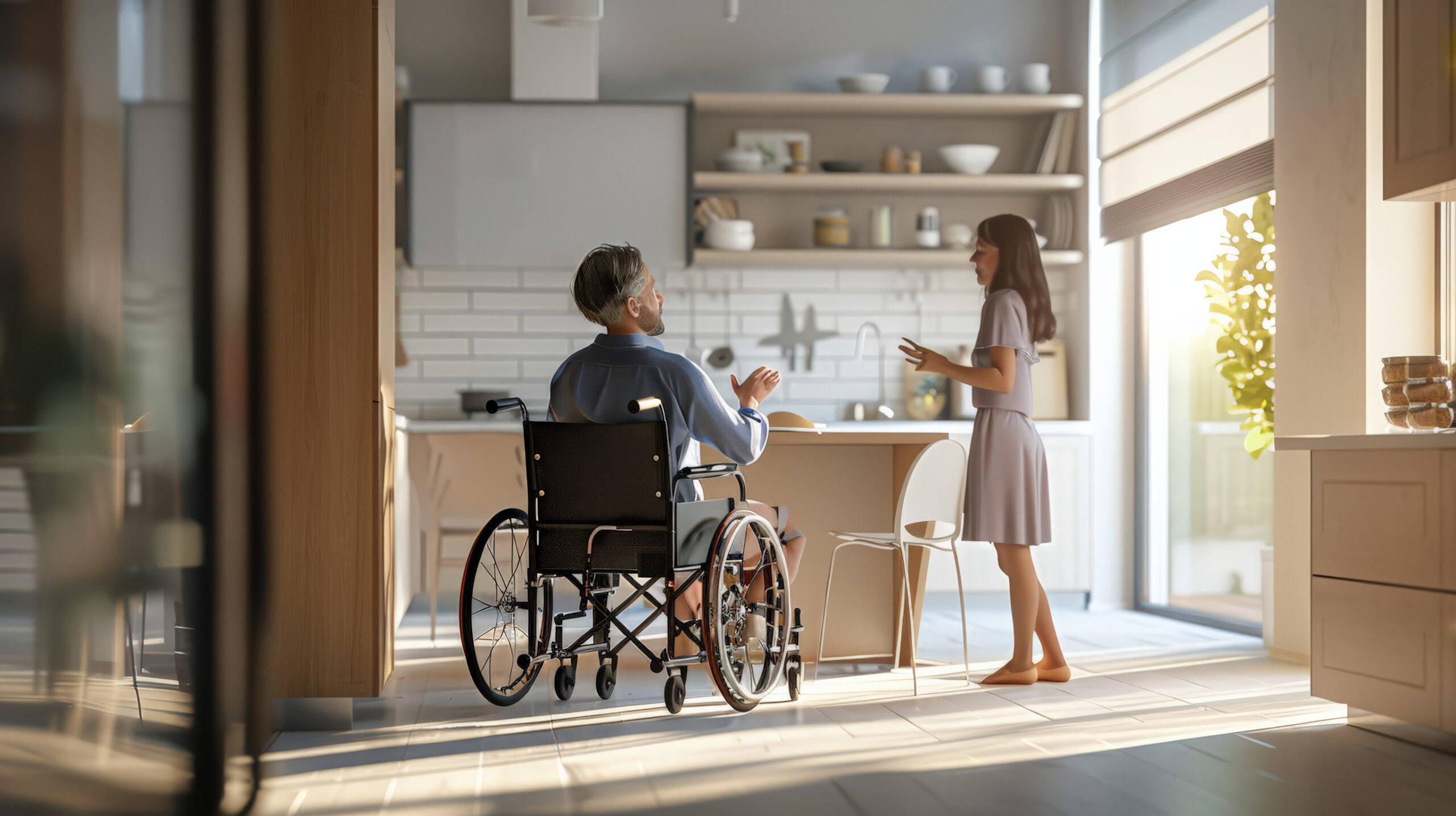
For years, the default “solution” was often a facility. Now, the momentum is toward aging in place in homes, neighborhoods, and familiar routines. That means ramps, grab bars, better lighting, meal support, home visits, and community networks that quietly do what buildings used to do loudly.
Technology Is Becoming a Quiet Care Partner
The new wave of elder care tech isn’t about flashing gadgets, it’s about subtle protection. Medication reminders that don’t nag. Sensors that notice a change in routine before a crisis happens. Telehealth brings a clinician to your living room without the hassle of travel. Hearing, vision, and mobility aids that feel sleek, not stigmatizing.
Family Caregiving Is Getting More Structured
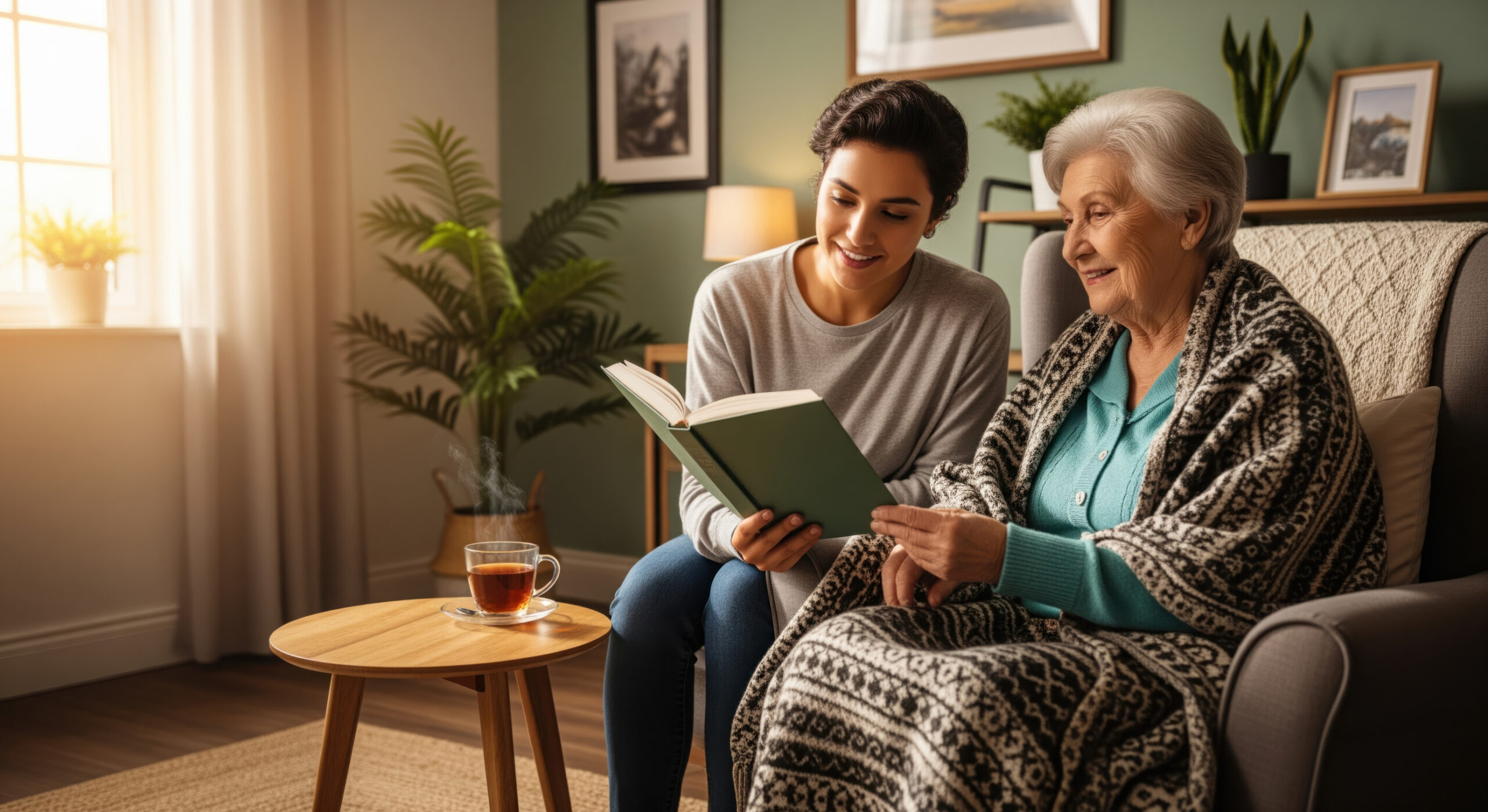
Family caregivers have always been the backbone of elder care, but now the role is becoming more recognized, organized, and supported. People are building care plans like mini-projects: schedules, shared calendars, rotating responsibilities, paid aides for specific tasks, and clear boundaries to prevent burnout.
Dementia Care Is Becoming More Human-Centered
The old approach often tried to “correct” confusion. The newer approach tries to understand it. Dementia care is shifting toward calm environments, routine-based support, validation, and safety without constant confrontation.
Emotional Health Is Finally Treated as Non-Negotiable
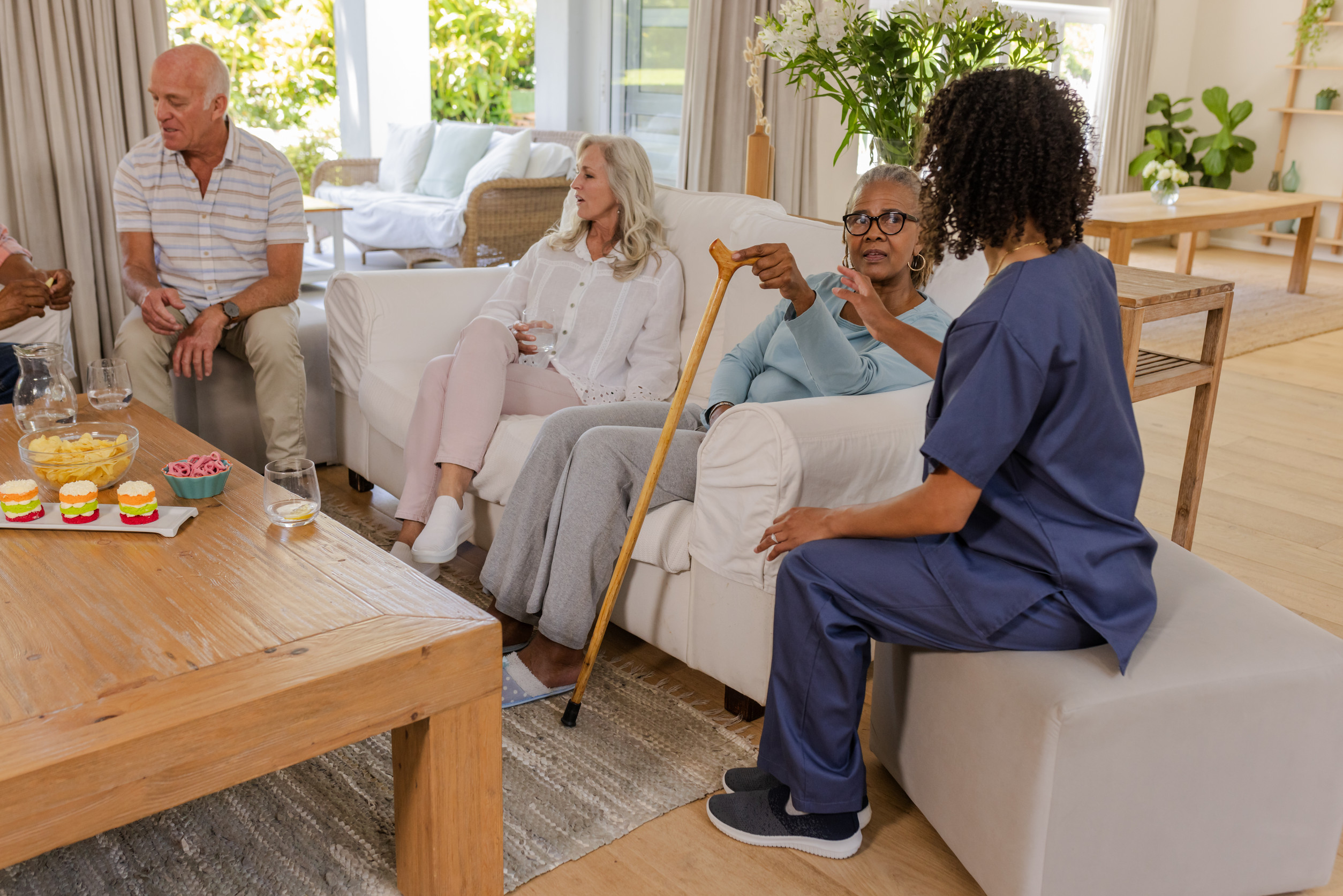
- regular social contact
- clubs, group classes, faith communities, volunteering
- grief support and counseling
- activities that reinforce identity (“you’re still you”)
Care Is Becoming a Design Challenge Not Just a Medical One
- walkable neighborhoods and accessible transport
- safer bathrooms and kitchens
- clearer signage and better lighting in public spaces
- “universal design” that helps everyone, not just seniors
Conclusion
It asks, “How do we honor it?”