6 Warning Signs It’s Time for Seniors to Stop Driving
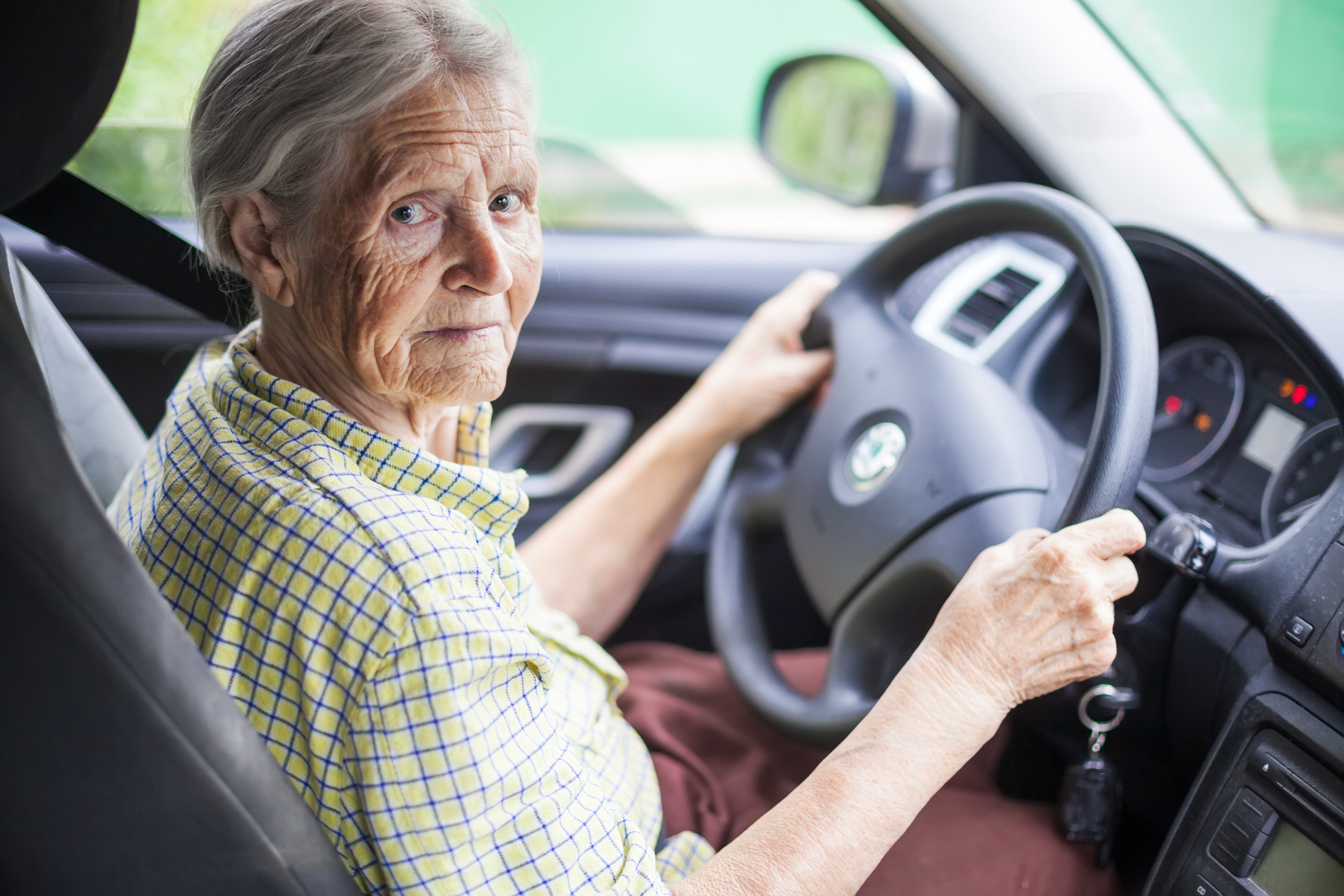
The car is often seen as a symbol of freedom and independence, especially for seniors. However, as we age, the ability to drive can become a safety concern, not just for ourselves but for others on the road. While no one wants to give up the keys, recognizing when it’s time to stop driving can be a life-saving decision.
Getting Lost on Familiar Roads
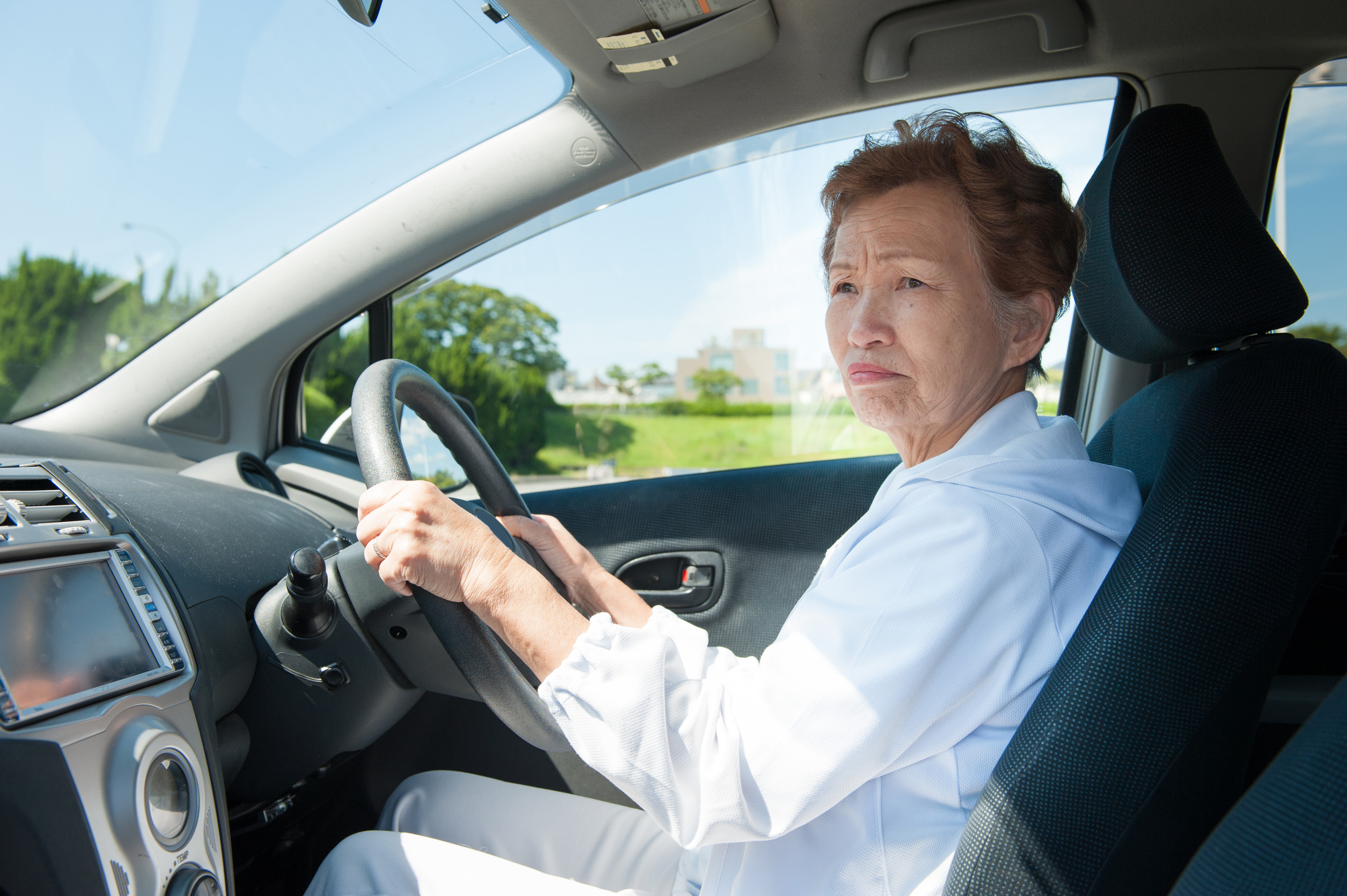
Losing your way on roads you’ve traveled for years can be both alarming and dangerous. When routine trips, like driving to the grocery store or a friend’s house, become confusing or disorienting, it’s a sign that memory and orientation may be slipping. This type of confusion isn’t just frustrating; it increases the risk of accidents as stress and anxiety take over.
Difficulty Following Road Signs and Signals
The ability to quickly process and respond to road signs and traffic signals is crucial for safe driving. For seniors, struggling to recognize or interpret road signs, whether they’re confused by stoplights, missing exits, or hesitating at intersections, can signal a deeper issue with cognitive function. This difficulty often stems from slowed reaction times, memory lapses, or vision problems.
Frequent Close Calls or Minor Accidents
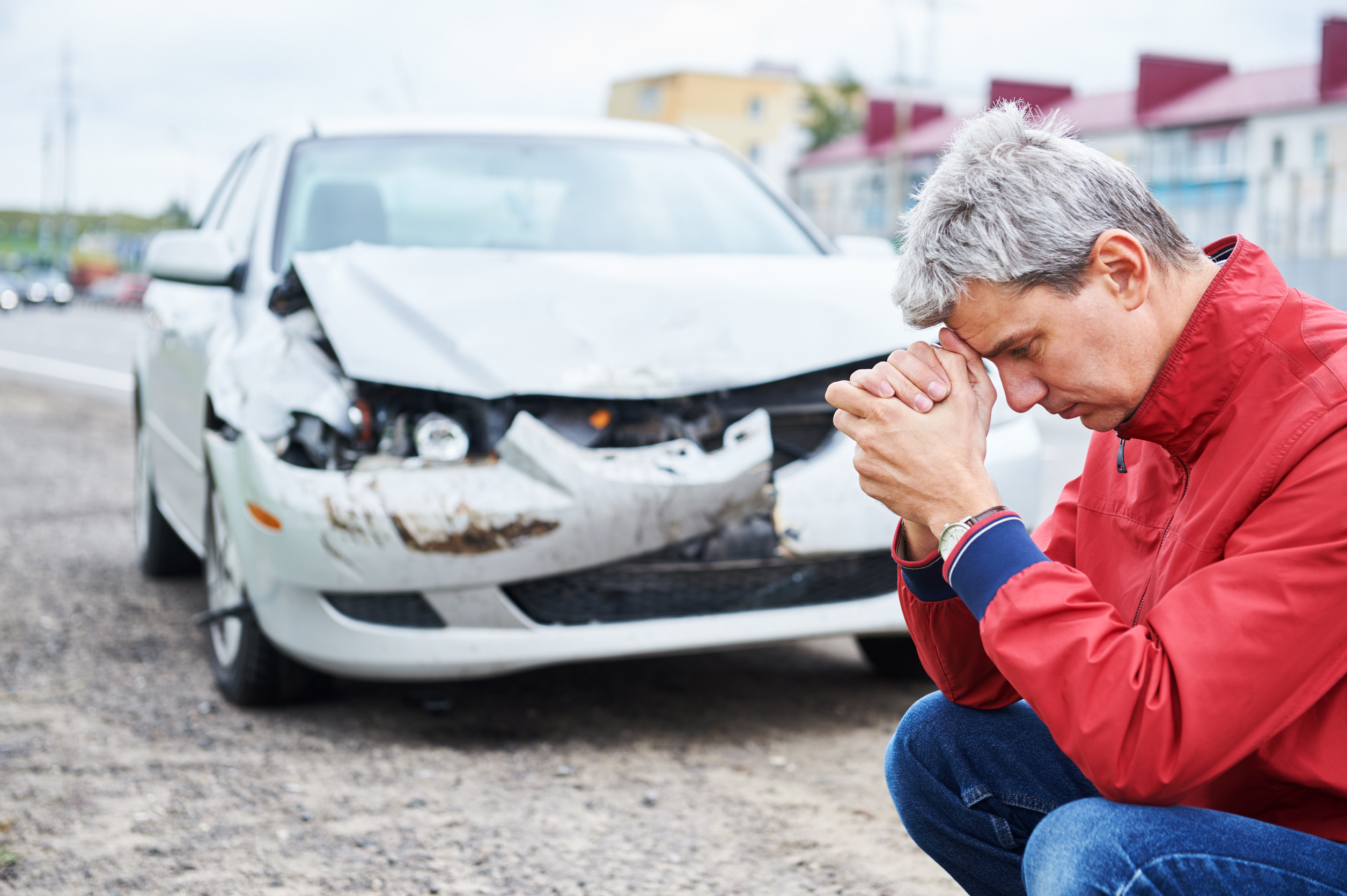
Minor accidents or near misses might seem harmless at first, but they are often indicators of declining driving abilities. Scrapes against curbs, hitting the garage door frame, or accidentally bumping into other cars are all signs that reflexes, spatial awareness, or judgment are fading.
Accumulating Traffic Violations
Multiple traffic tickets, whether for speeding, running red lights, or making improper turns, are often a clear sign that driving skills are declining. These violations reflect slower reaction times, poor judgment, or difficulty keeping up with fast-paced road conditions.
Vision and Hearing Problems
As we age, our vision and hearing naturally decline. However, when these changes affect our ability to drive, it becomes a significant safety risk. Seniors with poor vision might not notice pedestrians, traffic lights, or road signs until it’s too late. Night driving becomes especially dangerous, as glare from headlights can obscure oncoming vehicles.
Family and Friends Expressing Concern

When family members or close friends express concern about your driving, it’s time to listen. These are the people who observe subtle changes in your driving ability that you may not notice yourself. They are the ones who ride with you and see your hesitation at intersections or difficulty with lane changes.
Conclusion
Recognizing when it’s time to stop driving isn’t about losing independence; it’s about prioritizing safety for yourself and others. The signs are often subtle at first, but addressing them head-on can prevent accidents and preserve dignity.
There are plenty of alternatives to driving that can help seniors maintain their freedom without the risks associated with getting behind the wheel. By considering these six signs and having open conversations with loved ones, seniors can make the transition to safer transportation options while maintaining their sense of independence.