6 Vegetables Everyone Skips Despite Their Health Benefits
Image Credit:123RF Photos
When it comes to healthy eating, we often hear about the usual suspects: kale, spinach, carrots, and broccoli. While these vegetables undeniably offer great nutritional value, there’s a world of often-overlooked veggies that are just as, if not more, beneficial to our health. These forgotten greens and root vegetables deserve more of our attention and, perhaps, a prominent place on our plates.
In this article, we’ll dive into six vegetables that people often skip, despite their impressive health benefits. Let’s bring them into the spotlight!
Fennel
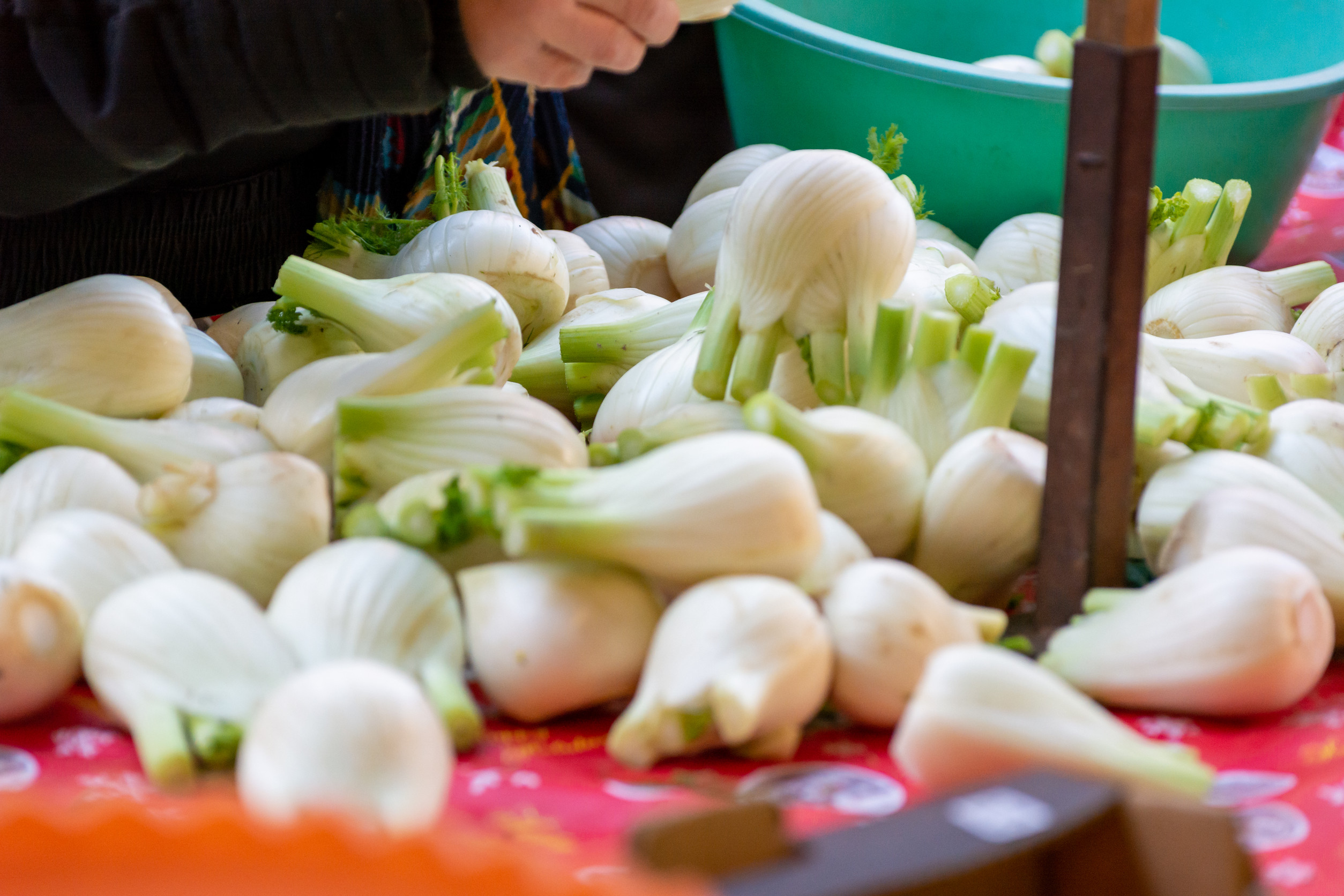
Fennel, with its unique anise-like flavor and crunchy texture, is often relegated to the back of the produce section. This vegetable, however, is packed with fiber, antioxidants, and essential vitamins like C, K, and several B vitamins. Fennel also supports digestion by stimulating bile production and improving gut health.
Health Benefits of Fennel:
- High in fiber, which aids digestion and promotes gut health.
- Rich in antioxidants like vitamin C, which fight oxidative stress.
- Supports heart health by reducing blood pressure and cholesterol.
- Great for weight management due to its low-calorie and high fiber content.
Try adding fennel to salads, roasting it for a warm dish, or even tossing it into your smoothie for an aromatic twist!
Beets
Beets are often avoided due to their earthy taste, but they’re a powerhouse when it comes to nutrition. Packed with betalains (antioxidants that fight inflammation) and dietary nitrates, beets can improve cardiovascular health by boosting blood flow and reducing blood pressure.
Health Benefits of Beets:
- Rich in folate, which is essential for cell growth and repair.
- Known for improving stamina and endurance by increasing oxygen uptake during physical activity.
- Contains nitrates that help lower blood pressure naturally.
- Full of antioxidants, protecting cells from free radical damage.
Roast them, juice them, or even blend them into a creamy soup; beets should definitely make a more frequent appearance in your meals.
Brussels Sprouts

Brussels sprouts often get a bad reputation due to their bitter taste, but they’re packed with nutrients that make them a nutritional powerhouse. Like their cruciferous relatives (broccoli, cauliflower),Brussels sprouts contain glucosinolates, which help detoxify the body and may lower the risk of cancer.
Health Benefits of Brussels Sprouts:
- Packed with vitamin K, which supports bone health and blood clotting.
- High in fiber, promoting digestive health and a healthy weight.
- Rich in antioxidants that protect against free radical damage.
- Supports heart health by lowering cholesterol levels.
A simple way to prepare Brussels sprouts is to roast them with a drizzle of olive oil, garlic, and a sprinkle of salt. Try it, you might just become a fan!
Kohlrabi
Kohlrabi, also known as turnip cabbage, is often overlooked but offers a mild, sweet taste and a crisp texture. This veggie is loaded with vitamin C, fiber, and antioxidants, making it an excellent addition to a healthy diet.
Health Benefits of Kohlrabi:
- High in vitamin C, which boosts immunity and supports skin health.
- A good source of fiber that promotes digestive health and regularity.
- Contains potassium, which helps balance blood pressure.
- Low in calories, making it an excellent choice for weight management.
You can eat kohlrabi raw in salads, slaws, or even roast it as a delicious side dish.
Chard
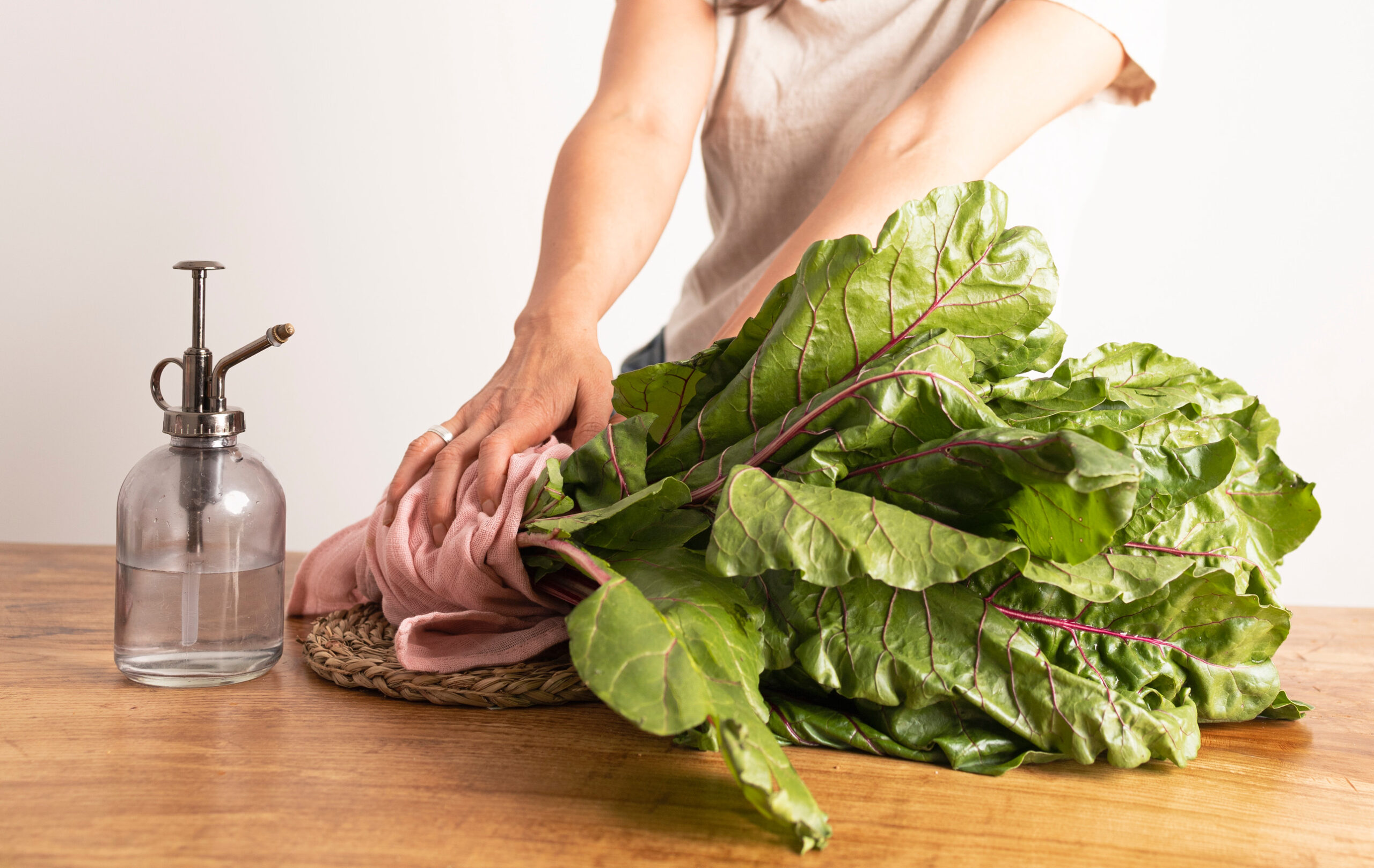
Swiss chard, with its vibrant green leaves and colorful stems, is often pushed aside in favor of spinach or kale. However, chard is an excellent source of vitamins A, C, and K, as well as magnesium and potassium, making it a great choice for maintaining healthy bones, skin, and heart function.
Health Benefits of Chard:
- Rich in vitamins A and K, which are crucial for eye health and bone integrity.
- High in magnesium, which supports muscle function and energy production.
- Supports heart health by improving blood circulation and reducing blood pressure.
- Contains compounds that may help reduce inflammation.
Add Swiss chard to stir-fries, soups, or sauté it with garlic and olive oil for a quick, nutritious side.
Artichokes
Artichokes often don’t get the credit they deserve, but they are packed with fiber, antioxidants, and prebiotics that support gut health. They are also among the richest sources of antioxidants in the vegetable world, specifically cynarin, which may improve liver function and detoxification.
Health Benefits of Artichokes:
- High in fiber, which supports digestive health and promotes feelings of fullness.
- Contains antioxidants that help fight inflammation and oxidative stress.
- May improve liver health by stimulating bile production and supporting detoxification.
- Rich in folate, which is essential for cell repair and production.
While artichokes may seem intimidating to prepare, they’re easy to cook by steaming or roasting and can be enjoyed as a side dish or added to salads and pastas.
Conclusion
While it’s easy to fall back on the same familiar vegetables every week, don’t forget about these underrated gems. From the crisp, tangy fennel to the hearty, fiber-rich beets, these vegetables offer a wealth of health benefits that should not be ignored. By diversifying your vegetable intake, you’ll not only enrich your diet with more nutrients but also discover exciting new flavors and textures.
So, next time you’re at the market, take a moment to grab one of these veggies and experiment with a new recipe. Your body (and taste buds) will thank you.
Read the original Crafting Your Home