6 Small Things Boomers Do During Visits That Can Drive Their Adult Children Nuts
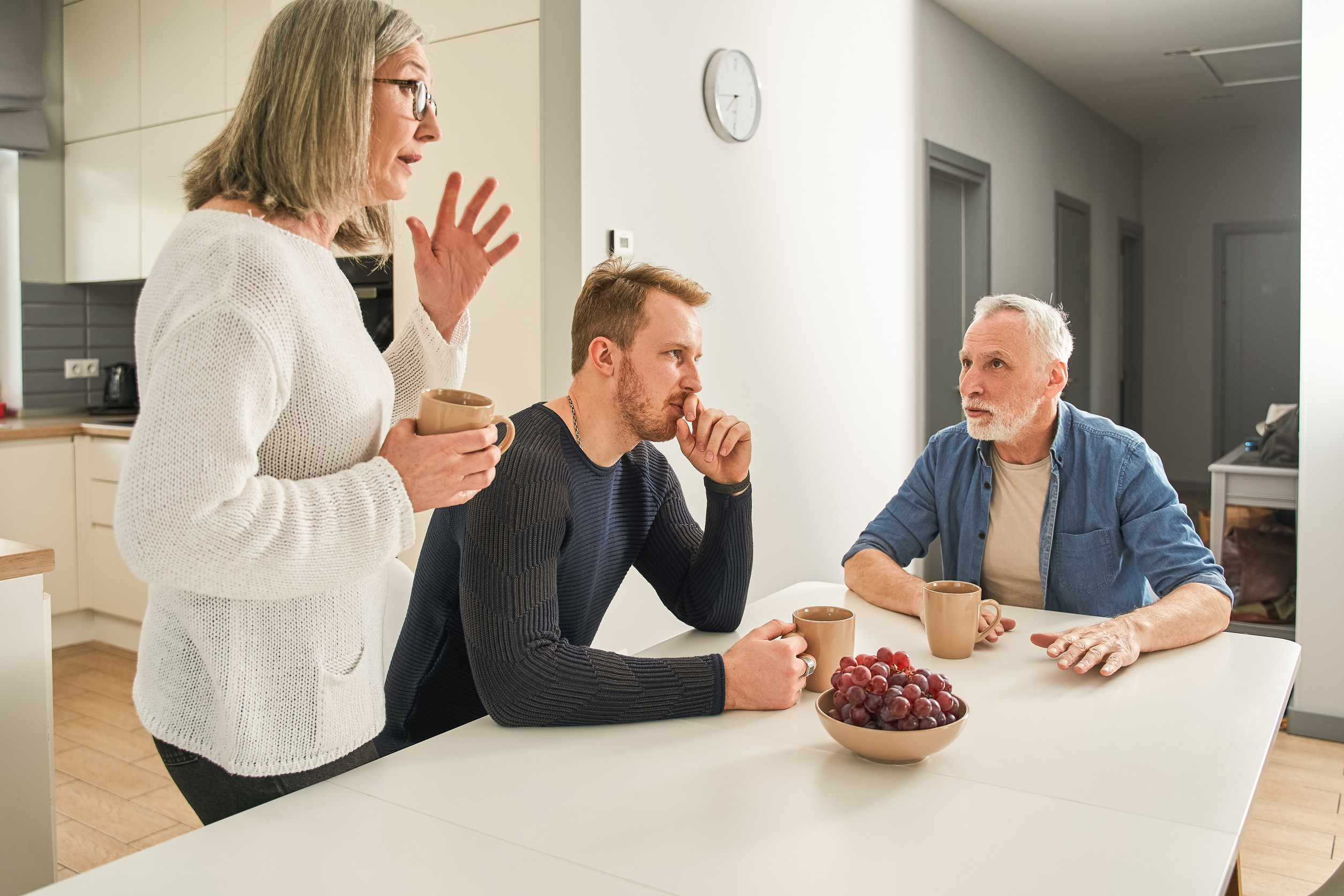
Family visits are often filled with warmth and joy, but let’s be honest: when your Boomer parents come over, there’s always that underlying sense of dread about what might happen. These small, seemingly harmless actions can quickly turn an otherwise pleasant visit into an exercise in patience.
Whether it’s the unsolicited advice, the random reorganization of your home, or the inability to respect personal space, Baby Boomers often do things during visits that quietly drive their adult children absolutely insane.
While their intentions are always rooted in love, these actions can create unnecessary tension if left unaddressed. Let’s break down the top six habits that seem to be the biggest offenders.
Critiquing Every Penny Spent

“$40 for a small bag of coffee beans? In my day, we didn’t splurge like that.” It seems like Boomers have a unique ability to spot every premium purchase their adult children make, from organic foods to streaming services, and then offer unsolicited advice on how they should be spending their money. These comments, while intended to provide perspective, can make adult children feel judged for their choices and lifestyle.
The Perils of Reorganizing Your Home
Picture this: you return home from a long day at work only to find your entire kitchen or living room has been “helpfully” rearranged. Your spice rack is now in alphabetical order rather than by frequency of use, and the living room furniture has been rearranged to “improve the flow.”
This scenario isn’t just a humorous inconvenience; it’s a frequent source of frustration for adult children. What may seem like a small gesture to Baby Boomers, a desire to help and make things better, can be downright disruptive.
The Unwanted Parenting Advice

For parents with grandchildren, the unsolicited parenting advice flows freely. From how they raised their children to how their adult children should raise theirs, Boomers often can’t resist offering their “expert” opinions. Whether it’s about car seats, discipline, or nutrition, these bits of advice can feel like a subtle challenge to the parenting decisions adult children have made.
Dismissing Dietary Choices
Whether it’s gluten-free, dairy-free, or a vegan diet, Boomers often struggle to respect the dietary choices of their adult children. “A little butter won’t hurt you,” or “You’re just being picky,” are common refrains. These comments, though often meant harmlessly, can create unnecessary tension, mainly when dietary restrictions stem from medical conditions, ethical beliefs, or personal preference.
Bringing Up Past Mishaps
Nothing kills the mood at a dinner party faster than a Boomer parent recounting your rebellious teenage years or discussing an old, embarrassing story from your past. Whether it’s a long-forgotten failing grade or a former romantic partner, these conversations can create discomfort for adult children, especially if it’s in front of others.
Overstaying Their Welcome

What started as a quick weekend visit turns into an extended stay. Boomers may not pick up on subtle cues, like your increasing level of stress or your partner’s frustrated sighs. You’ve dropped hints, but they haven’t taken the hint. Now, the visit is going on for days, and everyone is ready for them to head home.
Conclusion
While the behaviors outlined above might frustrate adult children, they usually come from a place of love. Baby Boomers, especially parents and grandparents, often struggle to accept that their children have grown up and lead independent lives. Both generations must acknowledge and respect each other’s differences.
The best visits happen when everyone takes a moment to meet each other halfway. Baby Boomers need to recognize that their children are no longer dependent on them in the same way, and adult children must be patient and understanding when it comes to their parents’ attempts to show love.
With mutual respect and understanding, these minor irritations can be avoided, ensuring that family visits remain a joyful occasion for everyone involved.