6 Simple Home Upgrades Every Retiree Can Tackle to Enhance Comfort and Value
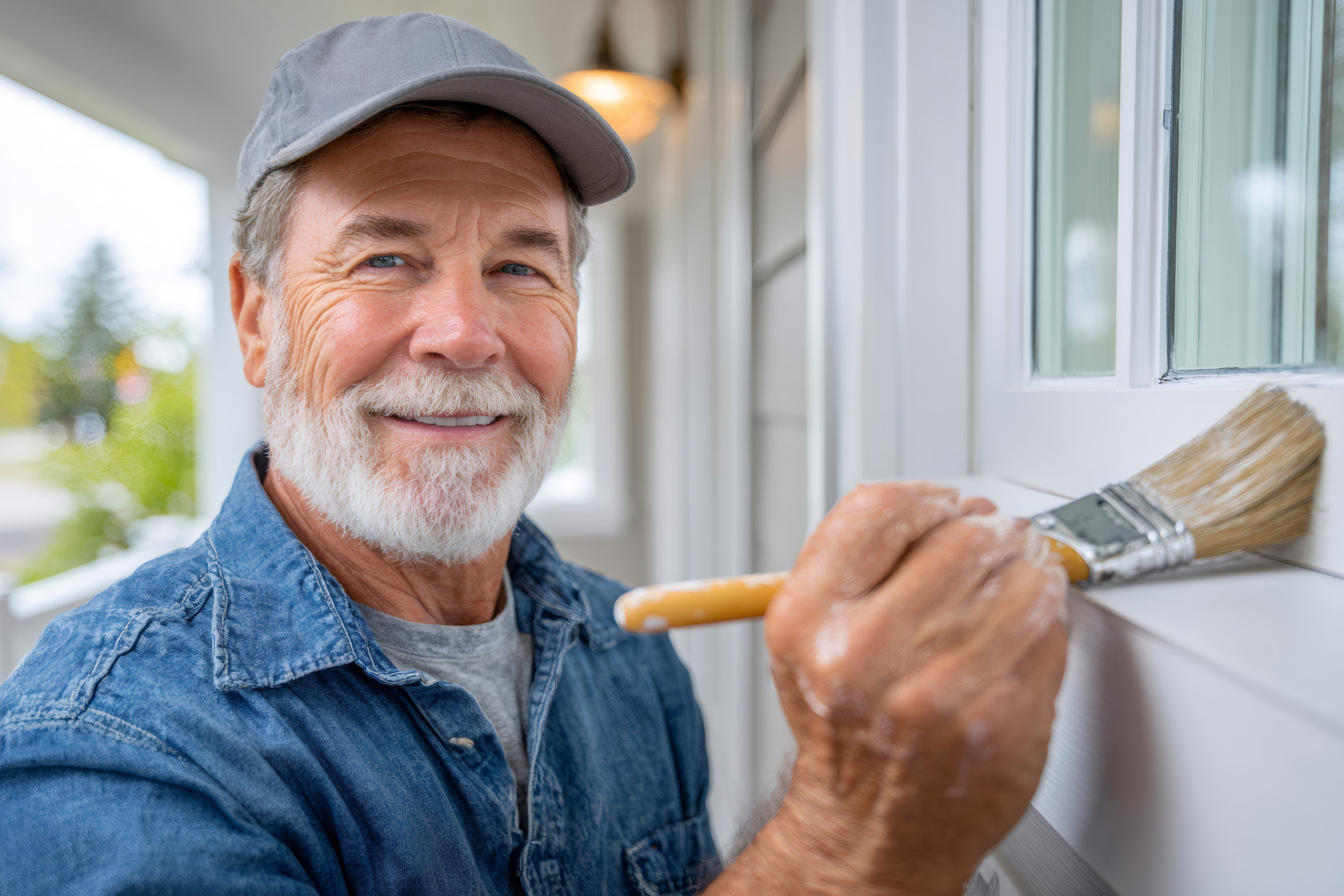
As retirees embrace this new phase of life, their homes must serve as a comfortable, safe, and welcoming space. The idea of upgrading a home may seem overwhelming, especially for those on a fixed income or with physical limitations.
However, many upgrades can be completed without professional help, offering retirees a chance to enhance the comfort, safety, and overall appeal of their homes.
Enhance Curb Appeal with Minimal Effort

First impressions matter, and the exterior of your home is the first thing people see. For retirees, improving curb appeal doesn’t have to involve extensive renovations or costly professional services. Simple upgrades, such as cleaning gutters, repainting the front door, or adding a few potted plants, can significantly enhance your home’s appearance without requiring a large investment or much physical exertion.
A well-maintained exterior not only enhances your home’s aesthetic appeal but also boosts its overall value. Even small changes, such as repainting a front door in a bold color or placing vibrant flowers by the entryway, can create a welcoming atmosphere.
Install Easy-to-Maintain Flooring
Flooring is another area where retirees can make a noticeable upgrade with minimal effort. For those looking to replace or refresh their floors, opting for easy-to-maintain materials such as vinyl planks or laminate can be a smart choice. These materials are durable, easy to clean, and often less expensive than hardwood or tile options.
Elevate Lighting with a Quick Swap for Modern Fixtures
Lighting is one of the easiest and most impactful ways to upgrade a home. For retirees, improving lighting can enhance both the aesthetic and safety of a space. A simple yet effective improvement is swapping out outdated light fixtures with modern LED options.
These newer fixtures not only provide brighter, more efficient light but also help save on energy bills over time. In areas like kitchens, bathrooms, and hallways, where lighting plays a crucial role in daily tasks, an upgrade can transform the environment, creating a brighter, safer space.
Refresh Your Walls with a Coat of Paint
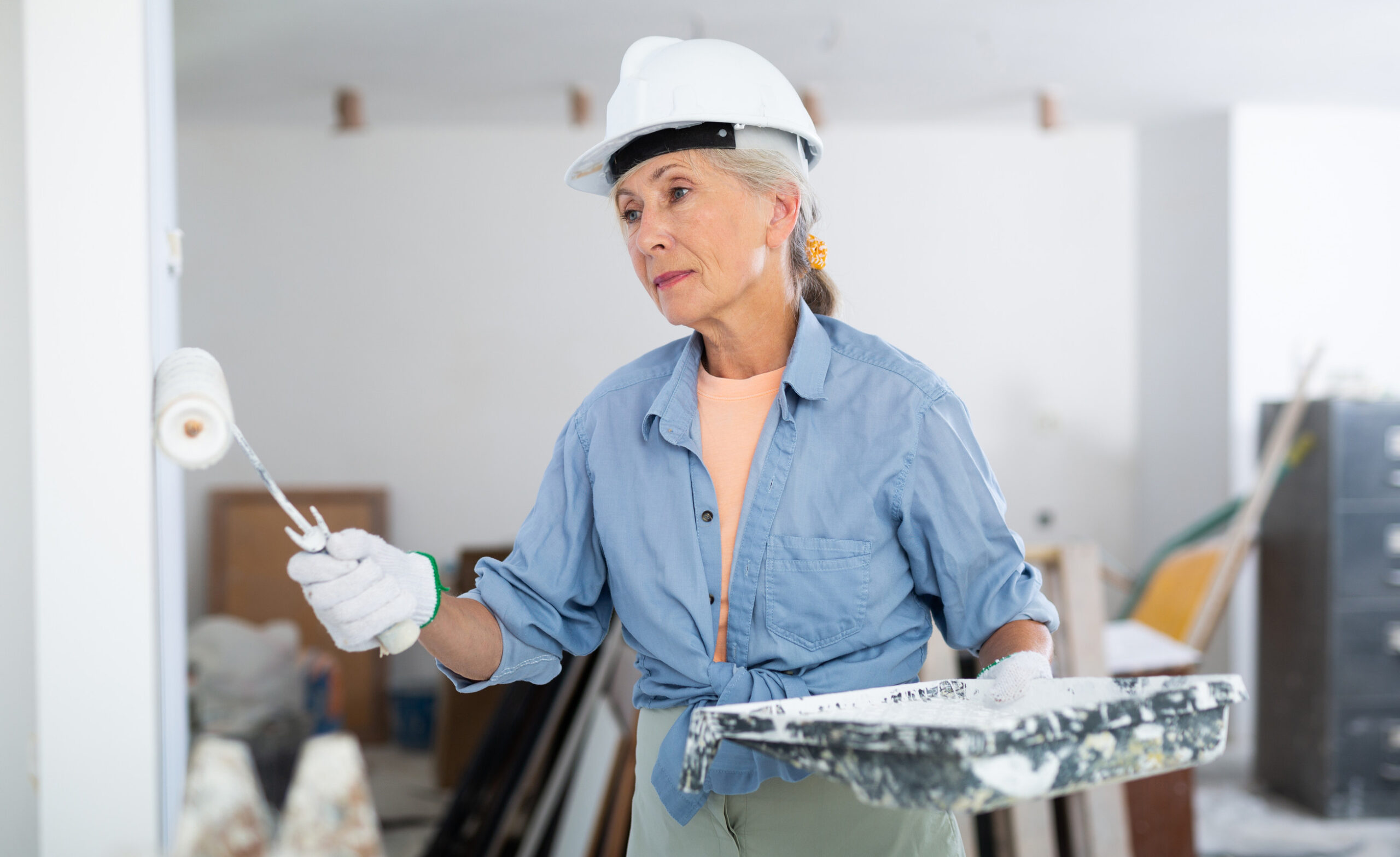
Repainting your home is one of the simplest yet most transformative ways to revitalize a room. A fresh coat of paint can breathe new life into any space, making it feel brighter, more open, and inviting. For retirees looking to update their homes without a heavy investment, choosing lighter, neutral wall colors can significantly enhance the sense of space and light. These shades help create an airy, expansive atmosphere, making small rooms feel larger and more inviting.
Repainting doesn’t require any special skills, but it’s important to use the right tools. Using an extendable roller helps to minimize the strain on your body, allowing you to avoid excessive bending or reaching. Rather than painting the entire house, retirees can focus on key areas such as accent walls, trim, or doors.
Optimize Storage to Minimize Climbing Stairs
One of the challenges that often comes with aging is the difficulty of accessing items stored in higher or less accessible areas, such as attics or basements. Climbing stairs can become increasingly difficult and dangerous as mobility decreases, but this doesn’t mean retirees need to sacrifice storage space. By reorganizing home storage, retirees can reduce the need to use stairs and make everyday tasks more manageable.
Swap Out Round Door Knobs for Lever Handles
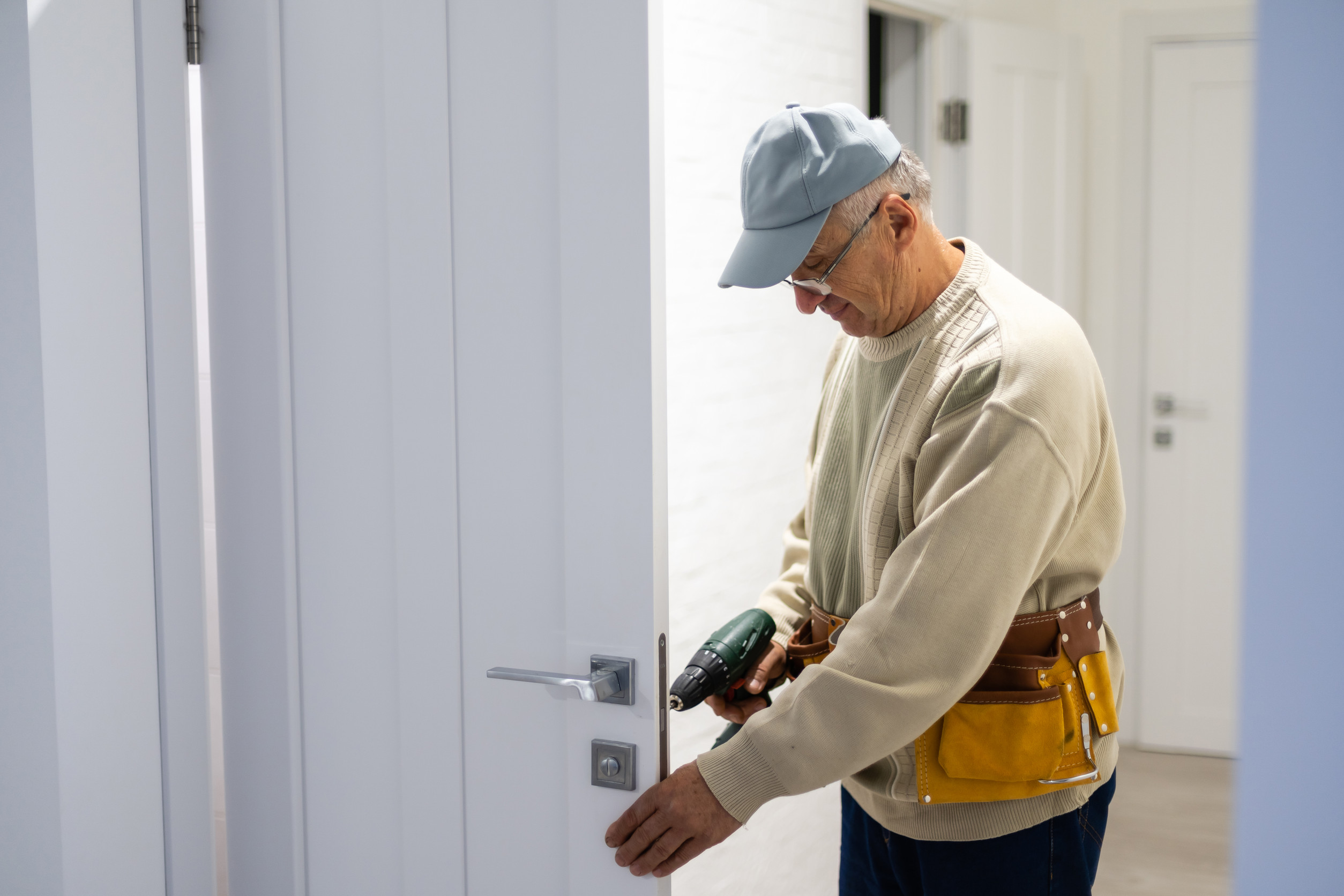
Sometimes, the smallest changes can have the biggest impact. One such change that makes an immediate difference in both accessibility and convenience is replacing traditional round door knobs with lever handles.
These lever-style handles are not only easier to operate, but they also provide greater comfort for individuals with arthritis or weakened hand strength, which is common among retirees. Lever handles require less dexterity to open doors, making them an ideal solution for improving ease of access throughout the home.
The best part is that installing lever handles is a simple and quick process. All that’s needed is a screwdriver, and the task can be done while sitting down to reduce physical strain. This straightforward upgrade requires no special skills or tools, making it an accessible project for anyone looking to enhance their home’s functionality without professional help.
Conclusion
Home upgrades for retirees don’t have to be daunting or expensive. With a few simple changes, you can create a more comfortable, safer, and more enjoyable living space. Whether it’s upgrading lighting, reorganizing storage, or making small adjustments like installing lever door handles, these upgrades can make a significant difference in your daily life.
Best of all, they can be accomplished without professional help, allowing you to maintain control over your home’s transformation at your own pace. By taking the time to make thoughtful upgrades, retirees can enhance their home’s functionality, safety, and value, while enjoying greater comfort and satisfaction.