6 Shocking Things Baby Boomers Did That Would Be Unthinkable Today

The Baby Boomer generation, born between 1946 and 1964, grew up in a very different world, a world where many behaviors and practices were not just common but entirely acceptable. Today, the same actions would be deemed outrageous, unsafe, or even illegal. As societal norms have evolved, it’s fascinating to reflect on the shocking habits that Boomers once thought nothing of.
No Seat Belts
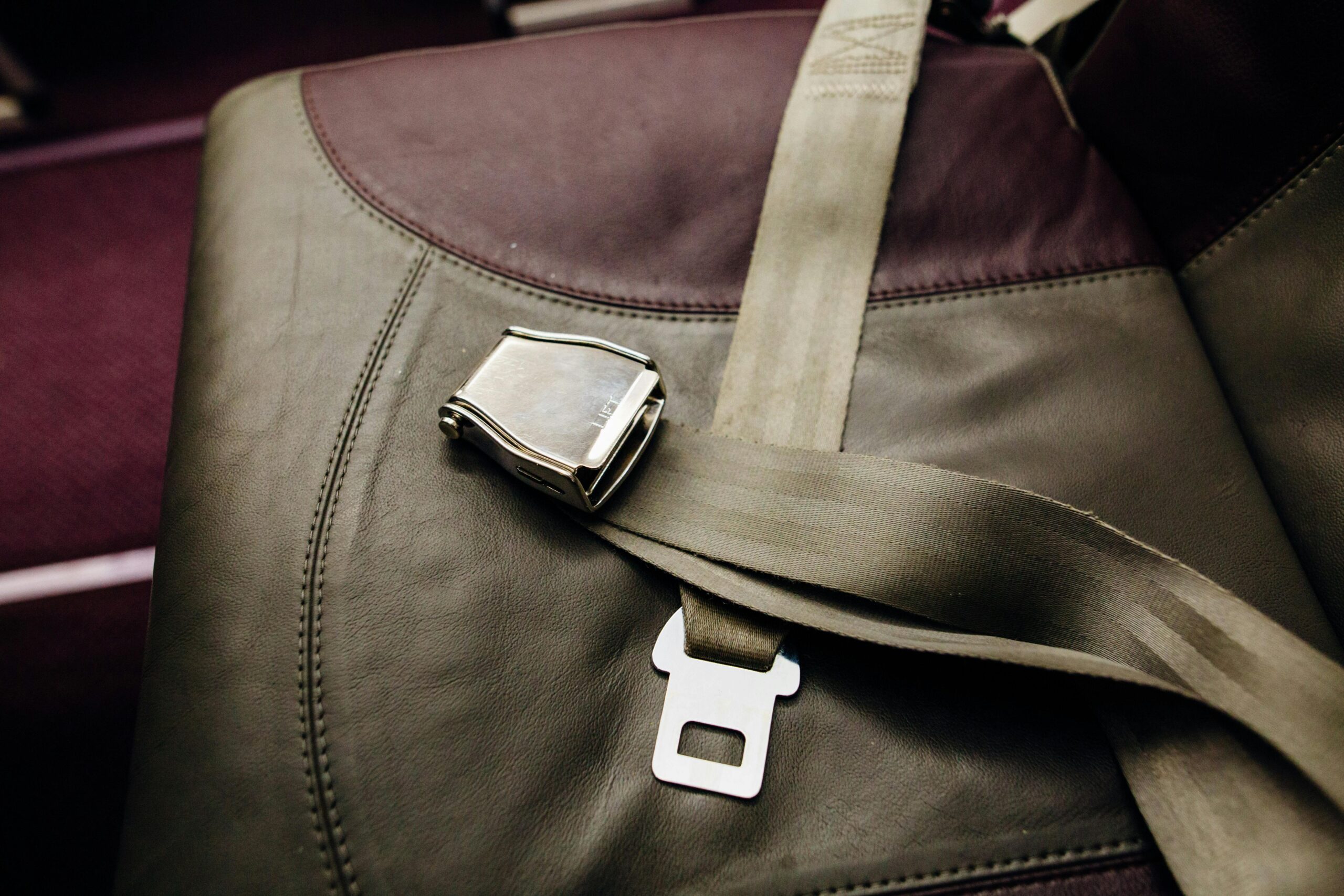
In the 1960s and 1970s, the concept of seat belts as a standard safety feature in cars was virtually nonexistent. Many drivers didn’t use them, and it wasn’t until the 1980s that U.S. laws began requiring their use. Baby Boomers, who grew up in this era, often traveled in cars without any restraints, a practice that today seems reckless at best and unimaginable at worst.
Smoking Indoors
For Baby Boomers, smoking was not only a popular activity but also a social norm. From restaurants to movie theaters to offices, smoking indoors was the status quo. The idea of walking into a restaurant today where people are puffing away would be utterly shocking. Yet, in the 50s and 60s, cigarettes were often seen as symbols of sophistication and relaxation.
No Car Seats
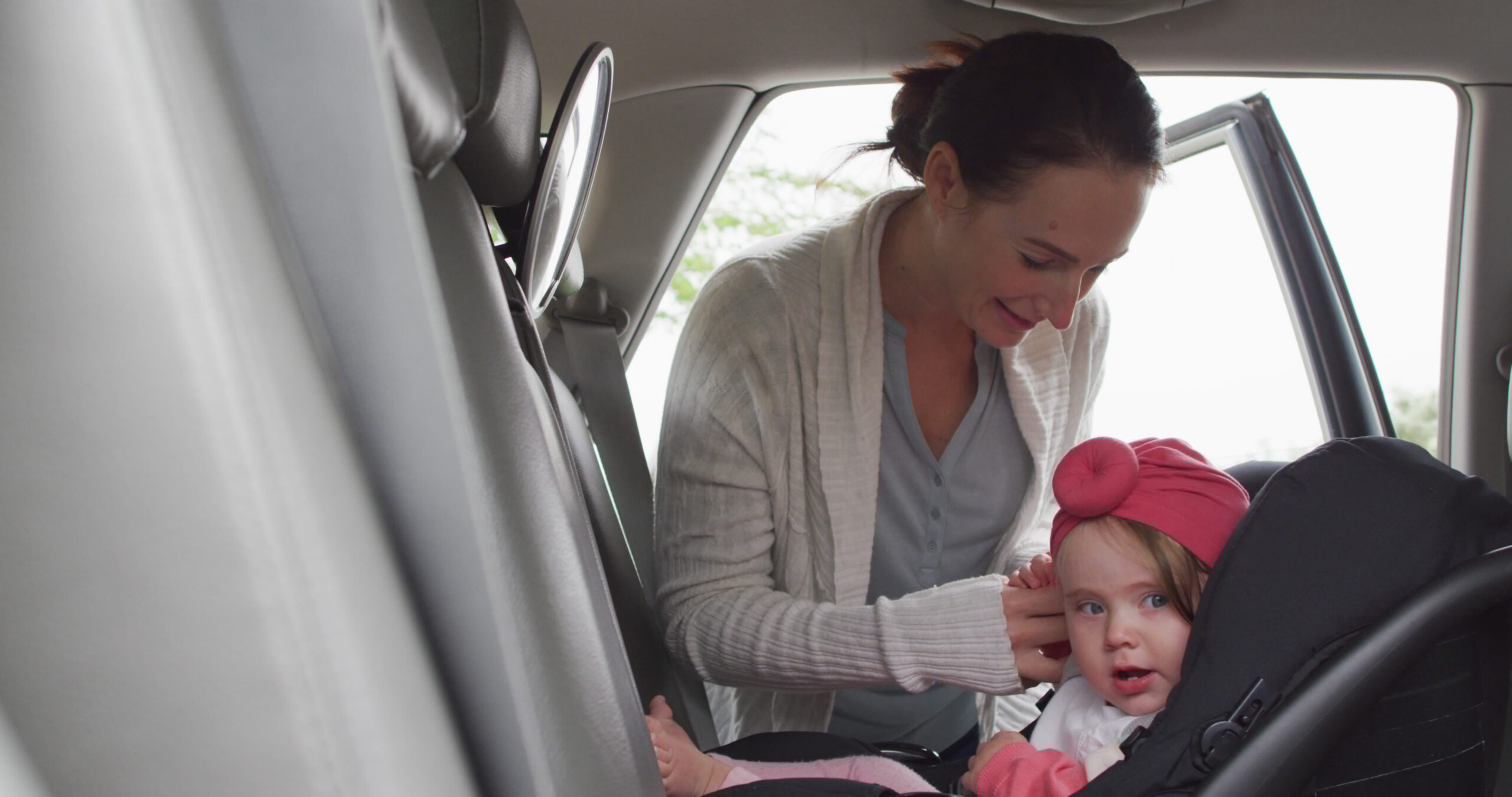
When Baby Boomers were growing up, the notion of strapping children into safety seats during car rides simply didn’t exist. Instead, kids were often tossed into the back seat or held in a parent’s lap while the car was in motion. The idea of not using car seats today is shocking, especially given the modern data that proves their life-saving potential.
Sun Exposure Without Sunscreen
Before the widespread awareness of skin cancer and the rise of sunscreen use, Baby Boomers spent countless hours in the sun with little regard for skin protection. Whether at the beach or in their own backyards, many Boomers would tan without a second thought, ignoring the risks of prolonged sun exposure. Sunscreen, while available, wasn’t a ubiquitous product as it is today.
Unsupervised Play

A common feature of Baby Boomer childhoods was the lack of constant adult supervision. Children would roam freely through neighborhoods, ride bikes without helmets, and play outside until the streetlights came on, all without the watchful eyes of parents or guardians. The idea of letting children run wild with minimal adult oversight seems almost unimaginable today, when safety concerns and “stranger danger” have dramatically changed how children interact with the outside world.
Lead in Gasoline
For many years, lead was used as a gasoline additive to improve engine performance. Baby Boomers grew up in an environment where they unknowingly inhaled fumes from leaded gasoline used in cars and other vehicles. The toxic effects of lead exposure weren’t fully understood at the time, but as science advanced, it became clear that lead was not just dangerous; it was poisoning people and the environment.
Conclusion
The Baby Boomer generation experienced a world that was vastly different from the one we live in today. Practices that were once considered normal, such as not wearing seat belts, smoking indoors, and allowing children to play unsupervised, are now considered shocking, dangerous, or outright illegal. The rapid pace of change in societal norms, fueled by growing awareness of health and safety risks, shows just how far we’ve come in creating a safer, healthier world.
As we reflect on the past, it’s clear that while Baby Boomers’ choices may seem outrageous to us now, they were simply products of their time. The evolution of safety standards, environmental regulations, and societal attitudes has shaped a world that is far more conscientious of well-being and the planet’s future. With each passing generation, we continue to refine our understanding of what is acceptable and what’s simply unthinkable.