6 reasons why love changes after the honeymoon phase

Image Credit:123RF Photos
Love, especially in romantic relationships, often feels like a beautiful, intense whirlwind during the honeymoon phase. Everything is exciting, passion is high, and the future feels endless. But over time, love can evolve, and this change may be perplexing for many couples. While it’s easy to romanticize the idea of love remaining unchanged, the truth is that love naturally matures as the relationship progresses.
Here are six reasons why love changes after the honeymoon phase:
Reality Settles In
During the honeymoon phase, everything feels perfect because both partners tend to see each other through rose-colored glasses. The flaws, habits, and quirks that make a person unique are often overlooked or dismissed as “cute” or “endearing.” However, once the initial spark fades, those small irritations become more noticeable. Love matures as both partners begin to accept the full reality of each other, including imperfections.
This shift from idealization to acceptance can soften the intensity of early passion, but it also opens the door to a deeper, more grounded love.
The Spark of Passion Evolves
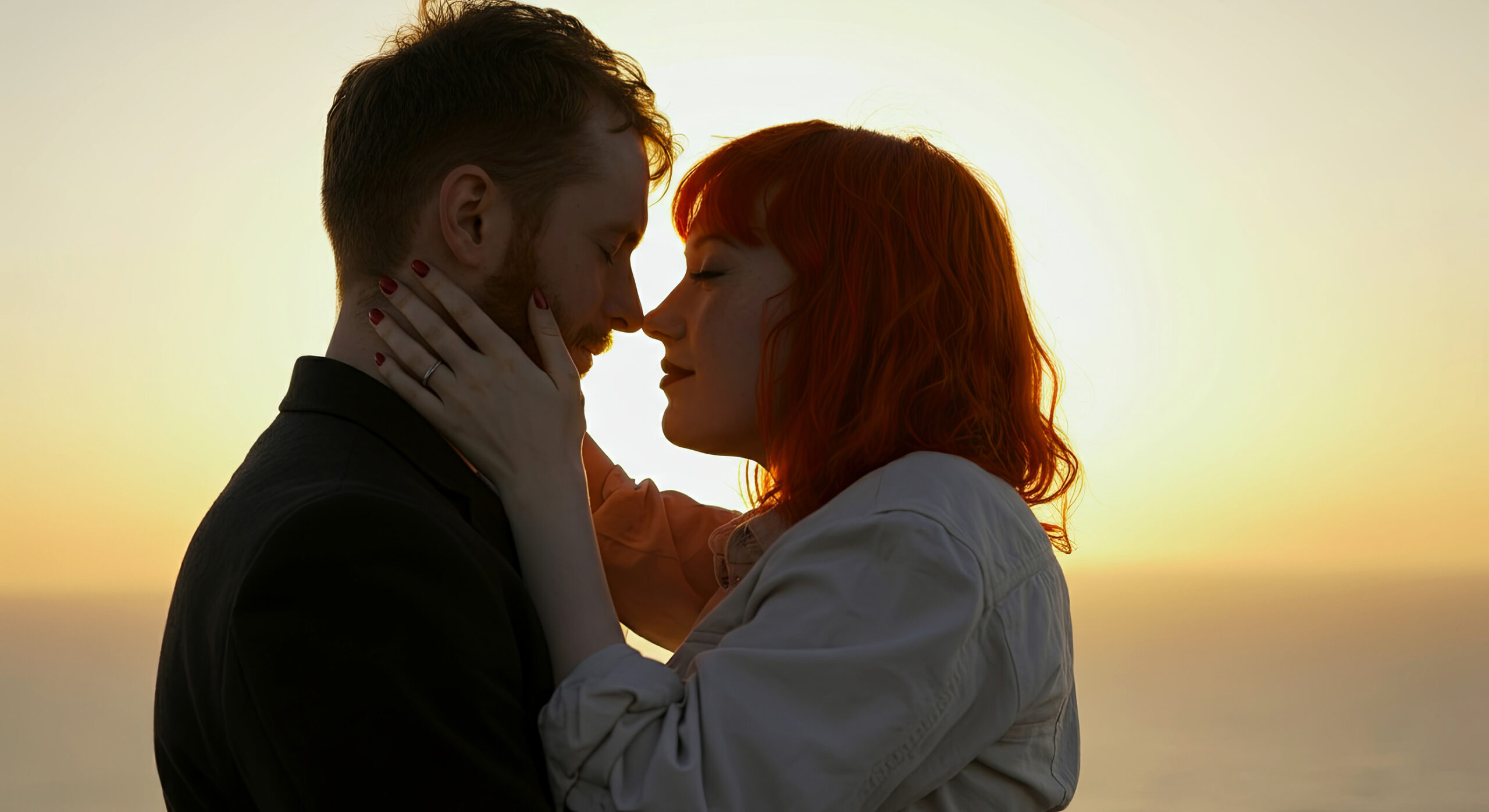
Physical attraction and passionate chemistry often peak during the honeymoon phase, creating an intense bond between partners. However, as the relationship matures, the early flames of passion might cool. This is completely normal and doesn’t mean love is fading; instead, it’s evolving. As emotional intimacy and trust grow, the love you share deepens in a more profound way.
The early lust may transform into a more comfortable, nurturing love, where connection goes beyond physical attraction into emotional, mental, and even spiritual bonds.
Routine Takes Over
The first months or even years of a relationship are typically filled with novelty and adventure. Dates are exciting, and every moment together feels like an adventure. But over time, routines begin to settle in. Couples start to fall into regular patterns of life, whether it’s managing finances, household chores, or work schedules.
The excitement of constantly learning about one another shifts toward maintaining a stable and functional partnership. Love, in turn, becomes more about companionship and partnership than the thrilling uncertainty that defines the honeymoon phase.
Challenges and Conflict Arise

In the honeymoon phase, conflict may feel minimal because the initial attraction often outweighs any disagreements or challenges. As time passes, couples are more likely to face tough situations, whether it’s financial stress, career changes, or personal loss. Love changes because these challenges force both partners to grow, compromise, and learn new things about each other.
Overcoming obstacles together can strengthen the relationship, but it also shifts the dynamic from carefree to one that emphasizes resilience and collaboration.
Expectations Shift

During the early stages of a relationship, expectations are often unspoken but grounded in the hope that everything will remain as perfect as it seems in those first moments of love. However, as the relationship matures, those expectations can evolve and become more realistic.
The pressure to keep everything exciting or to maintain an idealized image of the relationship may lessen. Instead, both partners may begin to expect a balance between independence and togetherness, understanding that love requires continuous effort and a commitment to personal growth.
Individual Growth
In any healthy relationship, both partners must continue to grow individually. Over time, people change careers, shift interests, and personal goals may take precedence. These changes can affect the dynamic of the relationship, and love must adapt to accommodate new developments in each person’s life.
This doesn’t necessarily signal the end of love, but rather a transformation into a more supportive, understanding, and mature connection. Love changes because, as individuals grow, so must the relationship.
Conclusion
Love is not meant to stay static; it’s a living, breathing entity that changes and grows with the couple. The honeymoon phase is merely the beginning of a much deeper journey. As relationships evolve, love moves from infatuation to intimacy, from passion to commitment, and from excitement to a steady, enduring bond.
Rather than mourning the end of the honeymoon phase, couples should embrace the new phases of love and the unique depth it brings.
Read the original Crafting Your Home