6 Reasons Why “Clean Eating” Isn’t Always Clean

In today’s health-conscious world, the phrase “clean eating” has become a buzzword synonymous with healthy living. It’s often painted as the perfect approach to nutrition, promising a return to wholesome, unprocessed foods. However, as with any trend, the concept of clean eating can sometimes be more complicated than it appears.
While many strive to embrace the “clean” lifestyle, certain aspects of this movement may not be as pure as they seem. Here are six reasons why “clean eating” isn’t always as clean as it’s cracked up to be.
The Myth of “All Natural” Labels
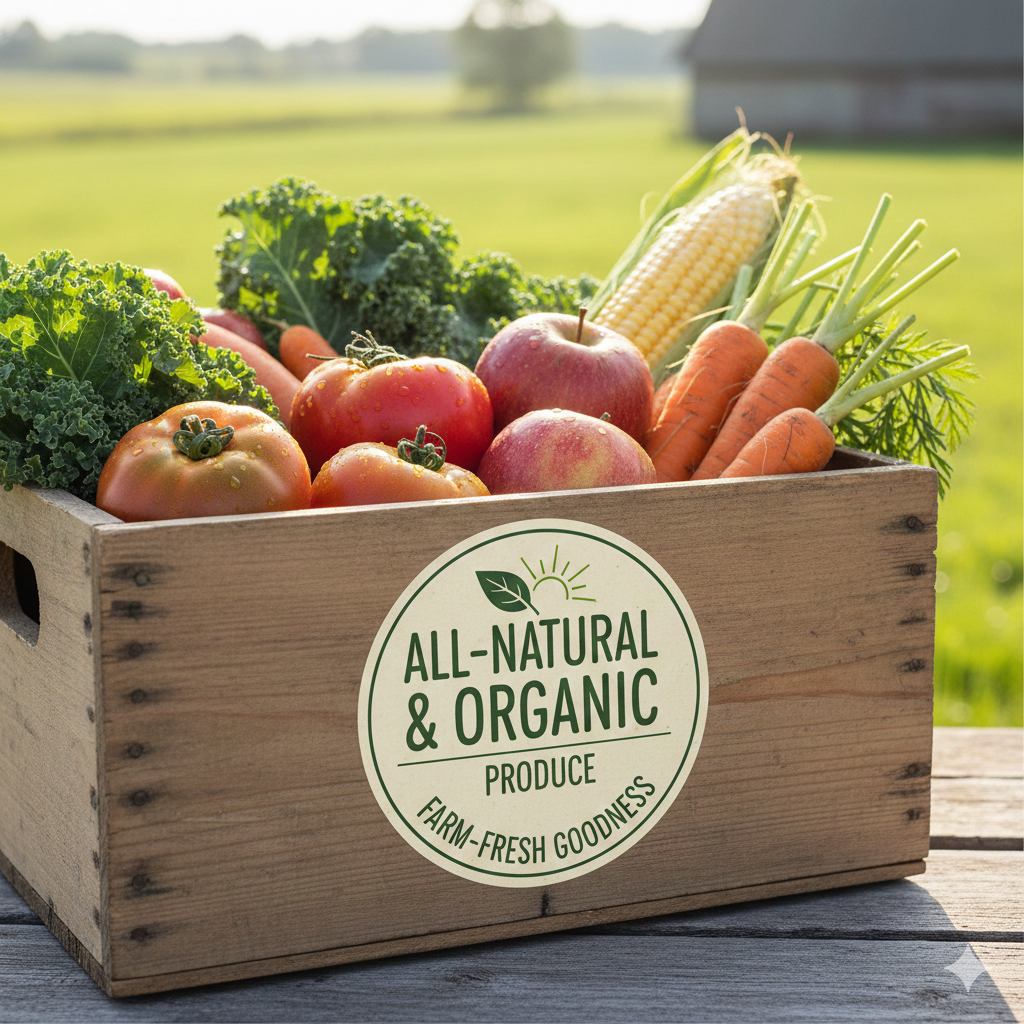
One of the cornerstones of clean eating is avoiding highly processed foods and eating natural, whole ingredients. However, food manufacturers know that consumers are increasingly drawn to products that are marketed as “natural” or “clean.” This has led to an explosion of products that tout these labels but are often anything but clean.
Overemphasis on Restrictive Diets
Clean eating often involves cutting out entire food groups, such as dairy, grains, or gluten. While eliminating certain foods can work for some, it can also create an unhealthy relationship with food. In an effort to be “clean,” many individuals may begin to obsess over what they can and cannot eat, leading to stress, guilt, and even the potential for disordered eating habits.
Hidden Additives in “Whole” Foods
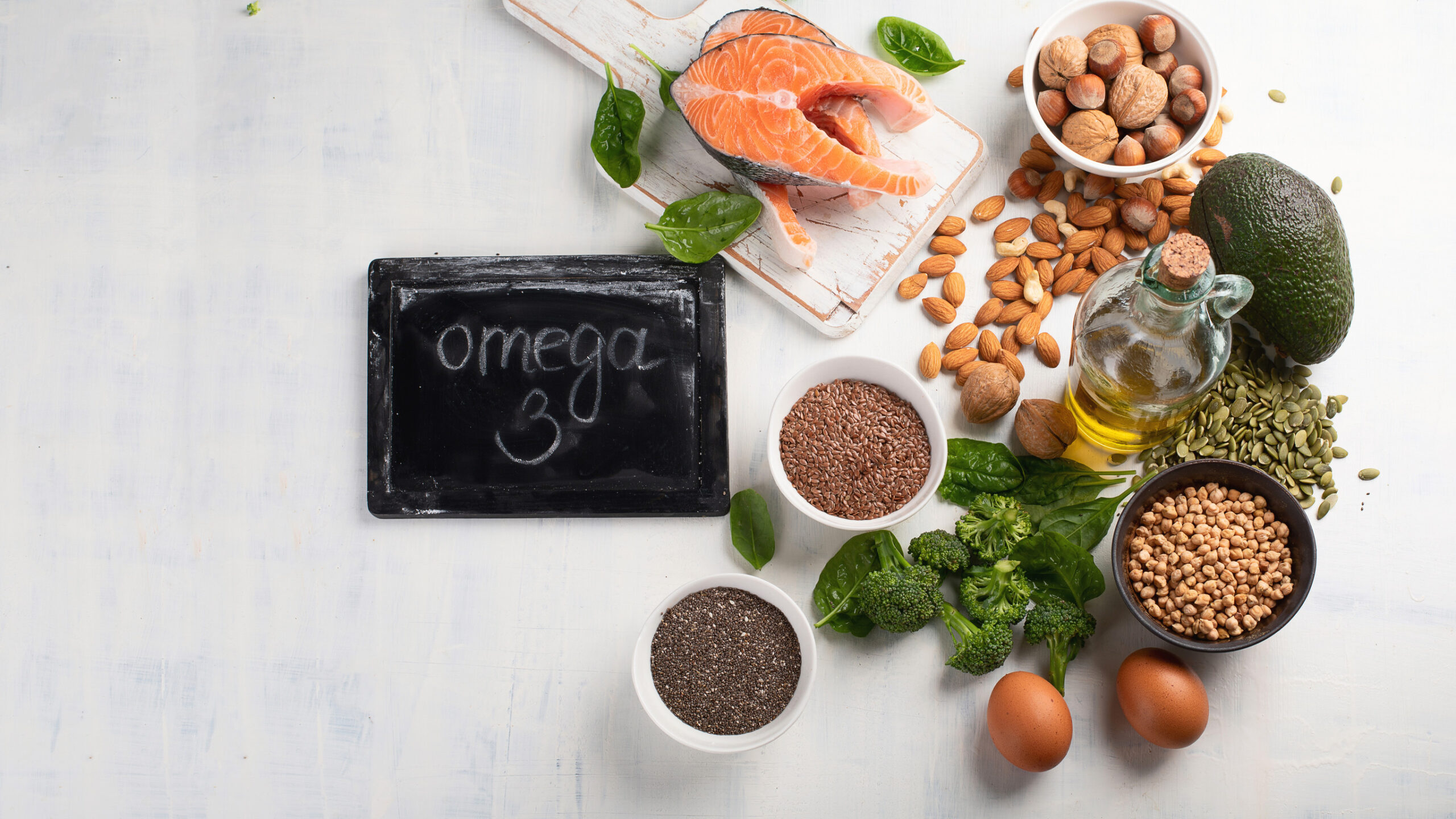
Even when you opt for whole foods like fruits, vegetables, and meats, the term “clean” doesn’t always mean you’re avoiding additives. Modern farming and food production methods have led to pesticides, antibiotics, and hormones being present in food, despite the “clean” image they portray.
The Cost of Clean Eating

Clean eating is often associated with premium, organic, or small-batch products, which can come at a steep price. From grass-fed beef to cold-pressed juices, the cost of clean eating can quickly add up, making it inaccessible for many.
Clean Eating Isn’t Always Sustainable
Sustainability is another major issue that often gets overlooked in the clean eating movement. While choosing organic or locally sourced foods may seem eco-friendly, the reality is that increased demand for these items is putting pressure on our food systems. Overconsumption of certain products, even if they are “clean,” can lead to unsustainable farming practices, excessive water use, and unnecessary carbon emissions.
The Clean Eating Cult and Its Mentality
While the clean eating movement was initially intended to promote health and wellness, it has sometimes evolved into an almost religious cult-like mentality. The pressure to eat “clean” can create a false sense of superiority and a divisive “us vs. them” mindset, clean eaters versus those who don’t follow the trend. This approach can breed feelings of shame, guilt, and judgment toward others who don’t adhere to the same rigid standards.
Conclusion
While clean eating can offer valuable guidance in focusing on whole, nutritious foods, it’s important to remember that the term “clean” can often be misleading. From hidden additives to the high costs and unsustainable practices, the clean eating movement isn’t as straightforward as it may appear.