6 Must-Have Foods for Health and Longevity After 60
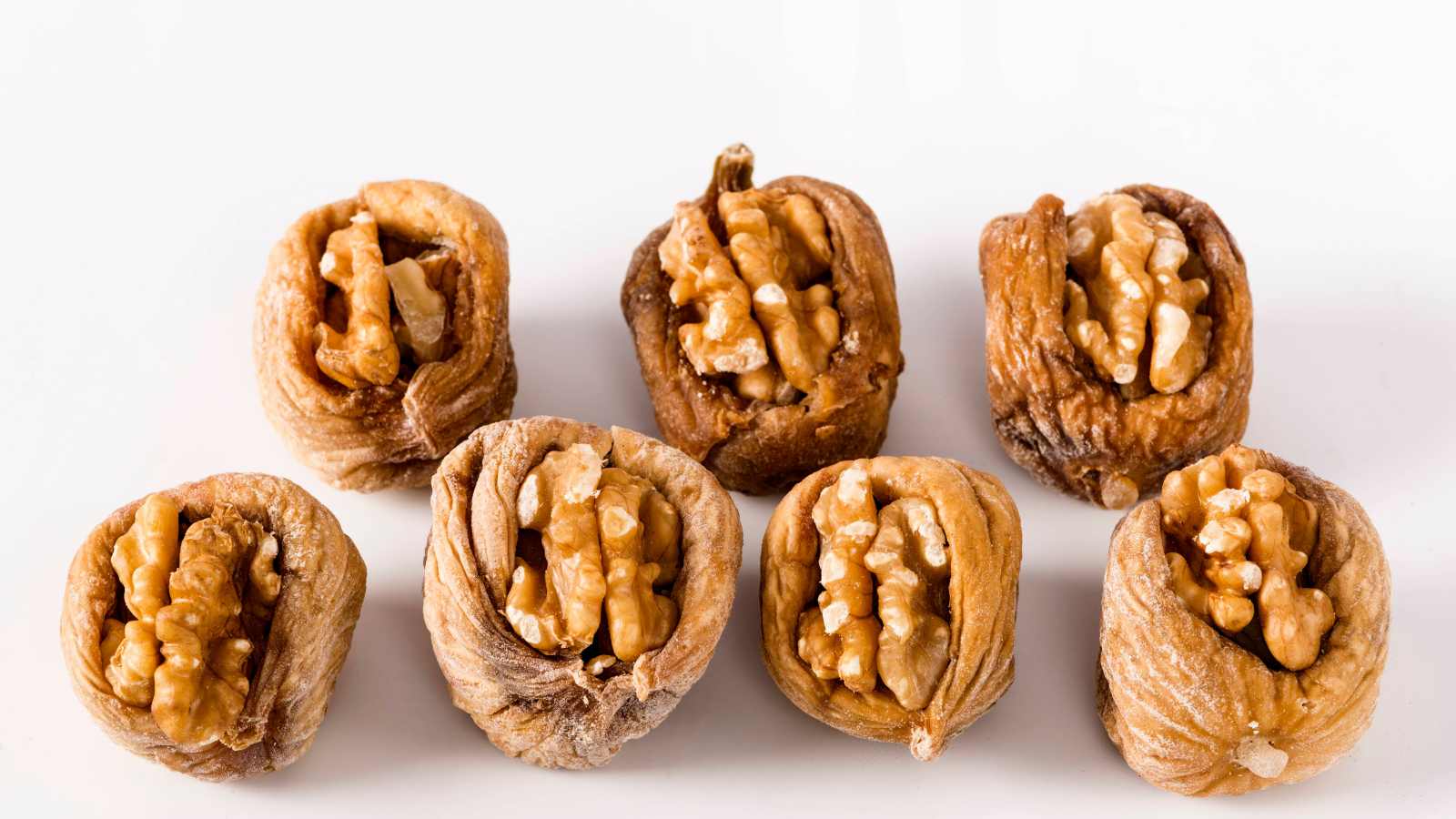
Image Credit: czamfir/123rf Photos
As the years pass, the foods we choose to nourish our bodies with become increasingly important. The right nutrition can have a profound impact on how we age, providing vital support for heart health, brain function, and bone strength. For those over 60, diet plays a crucial role in maintaining energy levels, promoting cognitive health, and preventing chronic conditions.
These nutrient-dense foods are not only delicious but also packed with essential vitamins, minerals, and antioxidants that support healthy aging, helping you remain vibrant and active for many years to come.
In this article, we’ll explore six powerful foods that should become staples in your diet after 60.
Cranberries: The Antioxidant-Rich Superfood
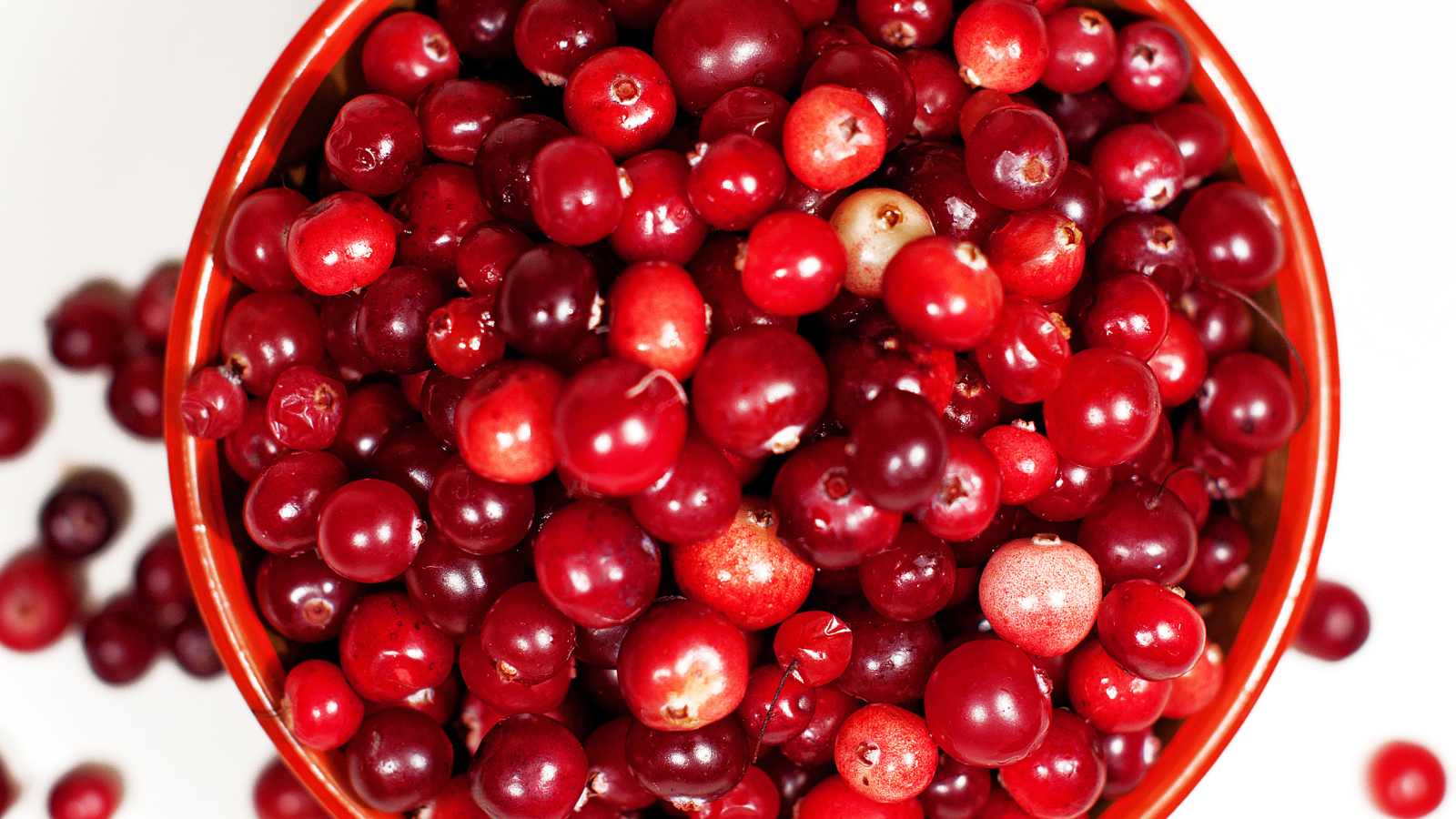
Cranberries are packed with antioxidants, particularly anthocyanins and proanthocyanins, which help fight oxidative stress and inflammation—two significant factors in the aging process. These potent compounds help protect the brain from neurodegenerative diseases like Alzheimer’s and Parkinson’s, making cranberries a crucial food for preserving cognitive health.
In addition to their brain-boosting benefits, cranberries are also effective in preventing urinary tract infections (UTIs), a common issue for older adults, particularly women. The proanthocyanidins found in cranberries prevent harmful bacteria from adhering to the walls of the urinary tract, reducing the risk of infection.
Whether you enjoy fresh cranberries, dried cranberries, or cranberry juice, this tart fruit is a must-have for healthy aging.
Walnuts: A Powerhouse for Brain and Heart Health
Walnuts are one of the best foods you can consume for longevity. These small but mighty nuts are packed with plant-based omega-3 fatty acids, antioxidants, and polyphenols that help maintain brain function and support cardiovascular health. Research shows that regularly eating walnuts is linked to improved cognitive function, and they play a significant role in reducing the risk of heart disease and age-related memory issues.
Walnuts are particularly rich in alpha-linolenic acid (ALA), a type of omega-3 fatty acid that is essential for brain health. Studies indicate that individuals who regularly incorporate walnuts into their diet experience enhanced brain function and are less likely to develop heart disease. Aim to consume about two ounces of walnuts per week to reap their full benefits.
You can add them to your favorite salads, sprinkle them on oatmeal, or enjoy them as a satisfying snack on their own.
Legumes: The Unsung Heroes of Bone Health
As we age, maintaining bone health becomes increasingly important. Osteoporosis, which affects millions of older adults, can lead to painful fractures and a decline in quality of life. Legumes, beans, lentils, peas, and peanuts are excellent sources of plant-based protein and essential minerals that support strong bones.
They are packed with calcium, magnesium, and potassium, all of which are crucial for maintaining bone density. The isoflavones found in legumes, particularly chickpeas, help prevent bone loss and reduce inflammation, making them a valuable addition to your diet, especially for women post-menopause who are at higher risk for osteoporosis.
Including legumes in your meals, whether in soups, salads, or as a snack, is an easy and effective way to promote bone health and overall well-being.
Prunes: A Delicious Way to Strengthen Bones and Aid Digestion

Prunes are often associated with digestive health, and for good reason. They are an excellent source of fiber, which promotes healthy digestion and prevents constipation,
a common issue as we age. But prunes offer more than just digestive benefits.
They are also rich in bioactive compounds that help preserve bone density, reduce the risk of fractures, and maintain overall bone health. Studies show that women who regularly consume prunes experience less bone loss than those who do not. Prunes are also delicious and easy to incorporate into your diet.
Enjoy them as a snack, add them to smoothies, or include them in baked goods. Their natural sweetness makes them a satisfying treat that also supports your health.
Pistachios: A Tasty Snack for Heart and Eye Health
Pistachios might be small, but their health benefits are enormous. These nuts are rich in healthy fats, protein, and antioxidants, such as lutein, which plays a key role in protecting the eyes from age-related damage. As we grow older, the risk of eye conditions like macular degeneration increases, but lutein in pistachios helps mitigate this risk, ensuring your vision stays sharp.
Pistachios also provide excellent heart-healthy benefits. They can help reduce cholesterol levels and improve cardiovascular health. With just a small handful of pistachios each day, you can experience improvements in both heart and eye health.
Try adding them to salads or smoothies, or simply enjoy them as a snack throughout the day.
Leafy Greens: Nutrient-Rich Vegetables for Brain Health
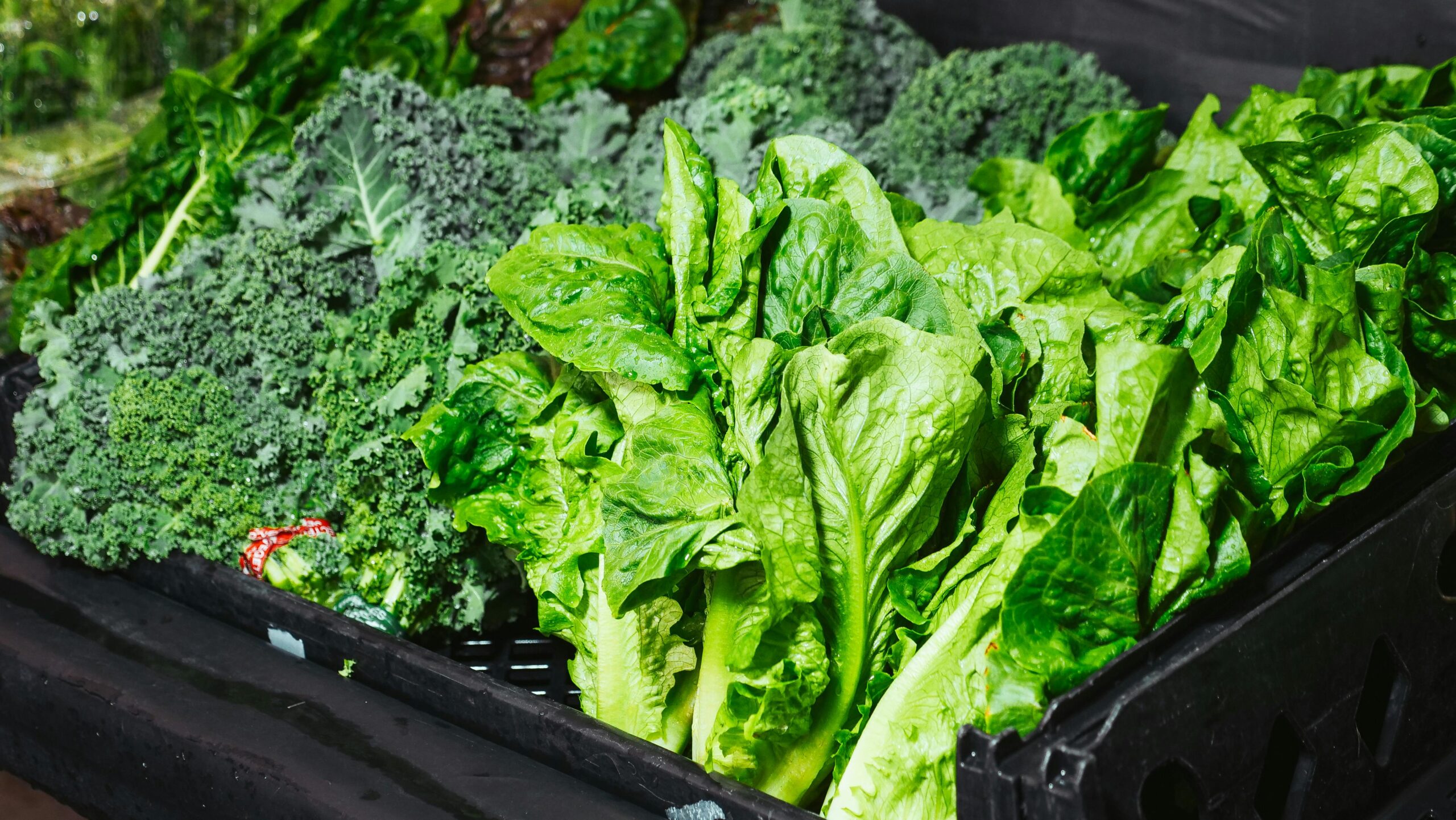
Leafy greens like spinach, kale, and collard greens are some of the most nutrient-dense foods you can eat, especially as you age. These vegetables are loaded with vitamin K, folate, beta-carotene, and vitamin E, nutrients that protect the brain from age-related cognitive decline.
Studies show that older adults who consume a diet rich in leafy greens experience better memory and cognitive function and have a slower rate of cognitive decline.
Incorporating leafy greens into your diet regularly can help preserve brain function as you age.
Whether you enjoy them raw in salads, sautéed, or added to soups and smoothies, leafy greens are a versatile and essential component of any healthy aging diet.
Conclusion
As you enter your 60s and beyond, the foods you choose to eat become more critical in supporting your overall health and longevity. Walnuts, legumes, pistachios, leafy greens, cranberries, and prunes are all nutrient-dense foods that can help you maintain cognitive function, protect your heart, strengthen your bones, and promote digestive health.
Incorporating these foods into your daily routine is a simple yet effective way to support healthy aging and ensure that you feel your best for years to come. Along with a balanced diet, remember that staying physically active, maintaining strong social connections, and prioritizing quality sleep are essential components of aging well.
By making mindful choices today, you can enjoy a vibrant and active life well into your 70s, 80s, and beyond. Healthy aging starts with the food on your plate, so take charge of your health and start incorporating these powerful foods into your diet today.