6 Most Common “Innocent” Yet Insulting Comments About Aging
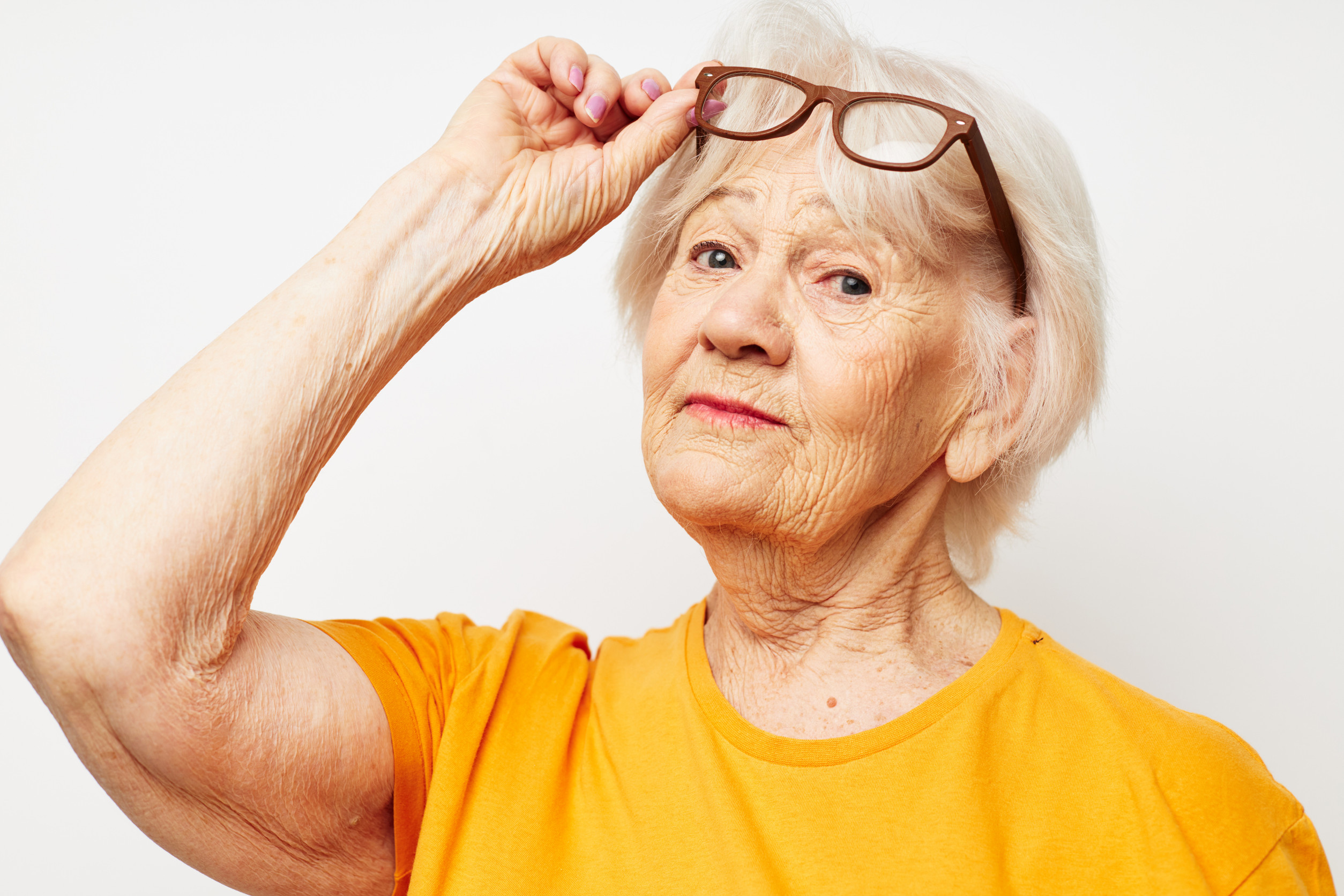
It’s amazing how certain phrases, often intended to be kind or complimentary, can carry an undertone of ageism. These “innocent” comments, which many people toss around without thinking, subtly imply that aging is something to be ashamed of, something to apologize for. They seem harmless on the surface, but can sting.
“You Don’t Look That Old”

The very fact that this phrase is used so often highlights the stigma surrounding aging. This comment implies that looking old is something to avoid or fear, and that those who manage not to appear old are somehow special or lucky. It separates age from appearance, framing the latter as an obstacle to be overcome rather than an inevitable part of life.
“You Look Great For Your Age”
A classic example of an “innocent” comment that quickly turns backhanded. At first, it may seem like a compliment, but what it really says is: “You look great considering your age.” The underlying assumption here is that aging automatically equals a decline in appearance.
“You’re Still So Active!”
This comment may sound like praise, but the word “still” reveals the actual message. It implies that, based on your age, being active is somehow remarkable or unusual. The reality is that many people remain physically active well into their later years, whether through travel, exercise, or maintaining an energetic lifestyle.
“You Must Have Been Beautiful When You Were Younger”

This one can sting more than most. On the surface, it appears to be a compliment, recognizing someone’s past beauty. But the real message is that their beauty belongs in the past. It diminishes the idea that beauty is fluid, that it can evolve, and is not tied to a particular stage in life.
“At Least You’re Young At Heart”
This one may come with the best of intentions, but it carries a hidden implication: that growing older means you’re somehow less vibrant, less full of life. The idea that being “young at heart” is a prerequisite for aging well reinforces the notion that growing old is something to escape rather than embrace.
“You’ve Aged Well”

While this may seem like a simple observation, it’s often delivered with an underlying assumption: that aging needs to be managed, controlled, or even corrected. This comment reduces a person’s value to their physical appearance, as if aging “well” is all about keeping up with youth standards.
Conclusion
These comments, though common, highlight a deeper issue: society’s tendency to view aging negatively, as something to fear or fight against. Instead of seeing age as a marker of decline, we should shift our mindset to one that celebrates the richness and wisdom that come with each passing year.
Aging is not something to apologize for, and neither should be the way we talk about it. It’s time to embrace the natural process of aging with respect, dignity, and celebration. Let’s start making room for more inclusive, thoughtful language that respects the lives and journeys of people at every age.