6 Meats That Are Now Illegal to Eat in the United States

The United States has witnessed a shift in its relationship with meat consumption over the years. While the country has long been a haven for lovers of steak, barbecue, and hearty dishes, certain meats have been banned from dining tables nationwide due to ethical concerns, conservation efforts, and health risks.
These meats were once common delicacies or staples of American cuisine, but are now illegal to sell or consume.
Dog Meat

The consumption of dog meat has been a part of human history in several cultures around the world, but in the U.S., it has always been a taboo subject. While some early settlers in North America may have eaten dogs during harsh winters or as a survival mechanism, dog meat was never widely accepted in mainstream American cuisine.
In recent years, the U.S. has made significant strides to protect animals from cruelty. The Dog and Cat Meat Trade Prohibition Act of 2018 made it illegal to slaughter, sell, or consume dog or cat meat. This bill was a response to growing concerns over the welfare of pets and the rise of the global dog meat trade, particularly in parts of Asia.
Shark Fin

Shark fin soup is considered a luxury dish in some Asian cultures, often seen as a symbol of status and wealth. The practice of shark finning, which involves removing a shark’s fins and discarding the body, has led to a catastrophic decline in global shark populations. In the U.S., shark finning has been banned in U.S. waters, and several states have enacted laws prohibiting the sale of shark fins.
The U.S. government recognizes the harmful environmental impact of shark finning, which contributes to the endangerment of various shark species. As a result, shark fins are illegal for sale in many parts of the country. Despite this, demand for shark fin soup persists in certain regions, though the ban on shark fin sales has made it increasingly difficult to find the dish in American restaurants.
Horse Meat
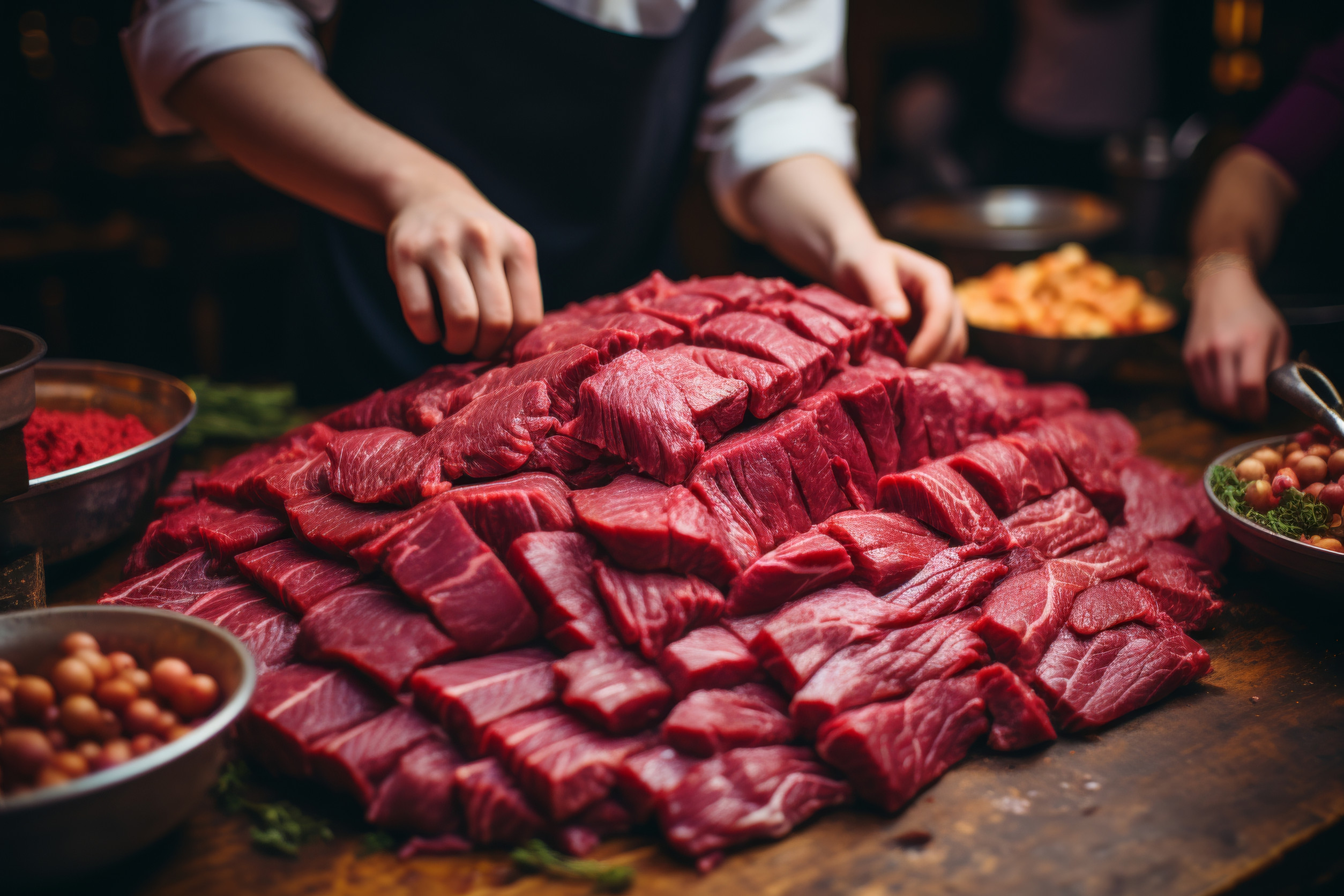
Horse meat, or “chevaline,” has a controversial history in the United States. While it has been a regular feature of many European menus, particularly in France, Japan, and Italy, its popularity never spread widely in the U.S. However, it wasn’t always taboo. In the early 20th century, horse meat was used for food during tough economic times, and even some high-end restaurants offered it as a delicacy.
The situation changed dramatically in 2007, when Congress stopped funding inspections of horse slaughterhouses, effectively making horse meat illegal for sale. Although the practice of eating horse meat was never a federal crime, many states passed laws prohibiting its sale and consumption. As a result, this once-common meat has faded into history, though it remains legal in some parts of the world.
Sea Turtle Meat
In the United States, turtle soup was once a beloved dish, particularly among the nation’s founding fathers and early American presidents. It became a culinary symbol of wealth and status, often served at luxurious banquets. But amid overconsumption and a rapid decline in sea turtle populations, these fascinating reptiles are now fully protected by law.
The Endangered Species Act of 1973 was a turning point, as it resulted in the classification of several sea turtle species as endangered. This protection made it a federal crime to harvest, sell, or consume sea turtle meat or eggs. While some may still remember the days when turtle soup was a prized dish, the once-popular practice has been forever banned in the U.S. to ensure the survival of these ancient creatures.
Whale Meat
Whale meat, historically consumed by many indigenous peoples of the Arctic and coastal regions, was once a part of early American cuisine. As the whaling industry boomed in the 19th century, whale meat and oil were in high demand. However, the commercial whaling industry brought many whale species to the brink of extinction.
In the 20th century, global conservation efforts gained momentum, and in 1986, the International Whaling Commission (IWC) adopted a moratorium on commercial whaling. This ban was aimed at saving whale populations from further exploitation. Today, the sale of whale meat is strictly prohibited in the U.S., with a few exceptions made for indigenous groups under special conditions.
Pangolin Meat
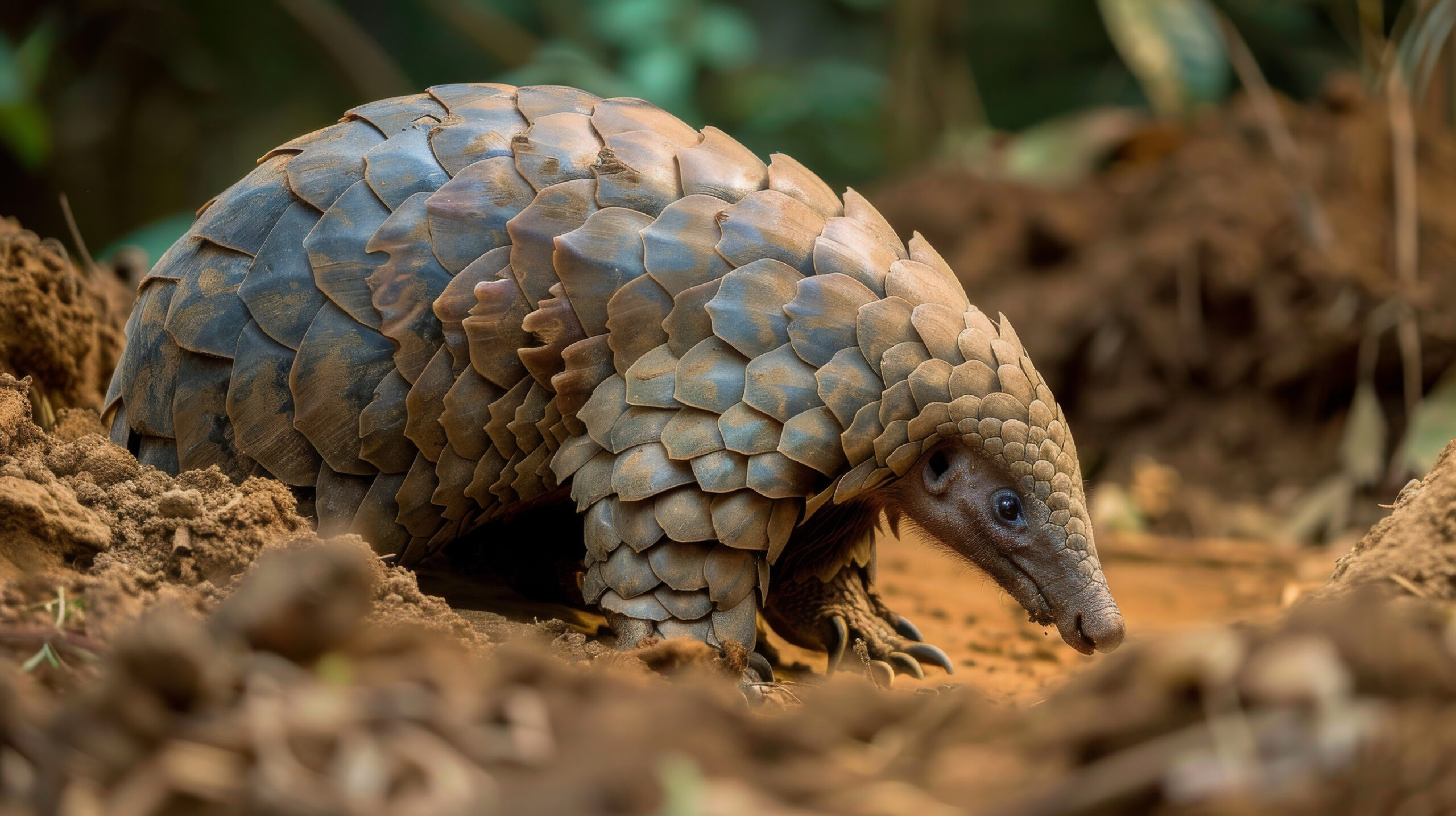
The pangolin, often called the “scaly anteater,” is a unique mammal native to parts of Asia and Africa. For centuries, pangolins have been hunted for their meat and scales, which are believed to have medicinal properties. However, the pangolin has become the most trafficked mammal in the world, and its population has plummeted due to poaching and illegal trade.
Recognizing the threat to the species, the U.S. has made it illegal to import or sell pangolin meat. The U.S. Fish and Wildlife Service enforces strict regulations on the trafficking of pangolins, which are now listed as endangered. As demand for pangolin products continues to fuel the black market, the U.S. has taken significant steps to protect this vulnerable species from extinction.
Conclusion
The banning of these meats reflects a growing awareness of environmental sustainability, animal welfare, and public health. As laws evolve to protect endangered species and prevent practices that harm ecosystems, the U.S. is sending a clear message: some meats are simply no longer acceptable for consumption.
Whether due to the risks of extinction, the cruelty involved in harvesting the meat, or the harm done to ecosystems, these once-popular foods have been relegated to history. As the world continues to change, the preservation of these species ensures that future generations can enjoy the beauty of animals like whales, pangolins, and sea turtles in the wild, rather than on a plate.
In the end, as tastes evolve and culinary traditions change, protecting our planet’s precious creatures remains a priority. The banning of these meats serves as a reminder that the choices we make today have a lasting impact on the world around us.