6 Items You Should Never Donate to Food Pantries
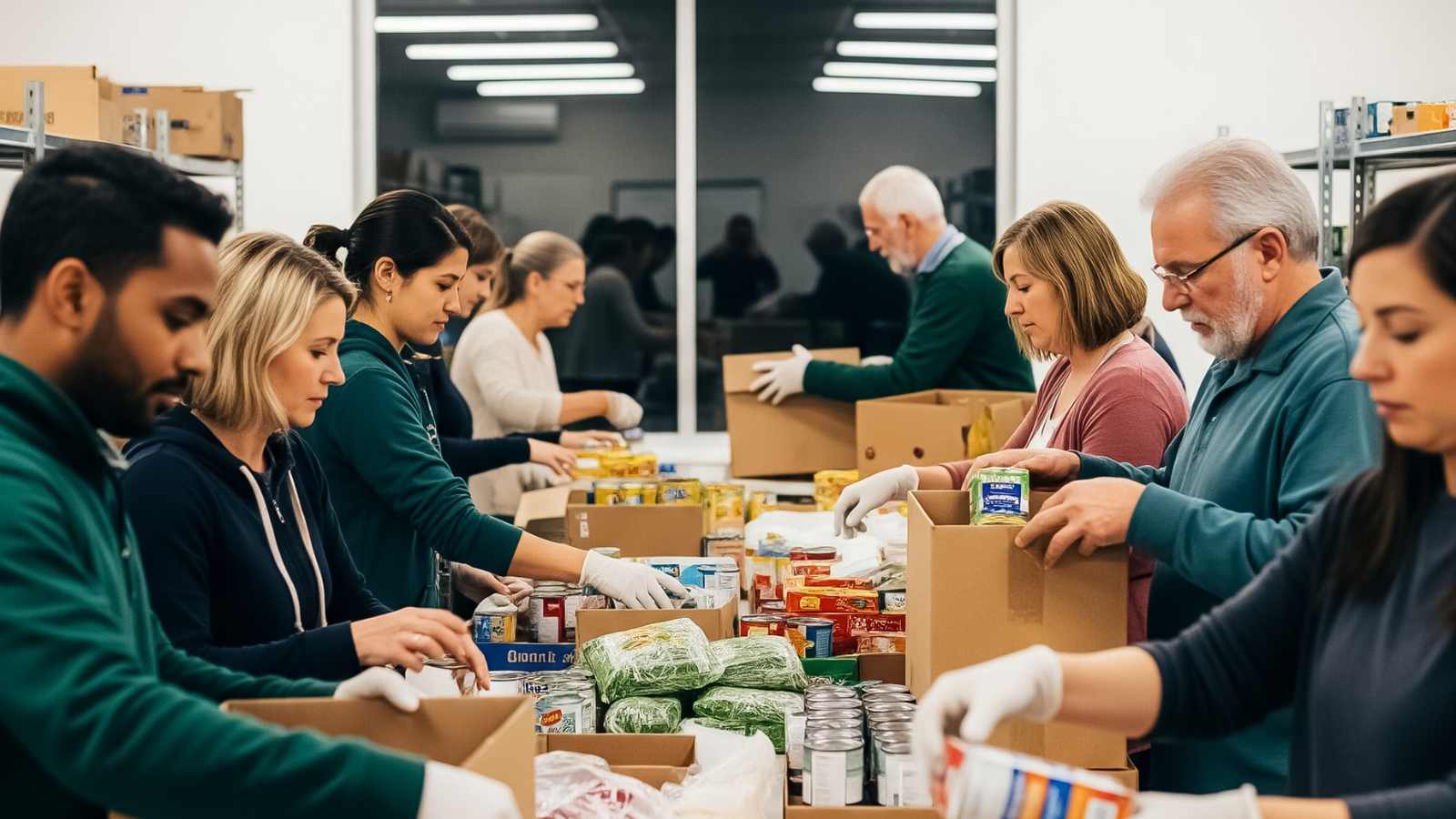
Donating food to a local food pantry is a generous act, especially during times of increased need, such as the holiday season. However, not all donations are equal. While you might have good intentions, certain items can cause more harm than good. To ensure your donation truly helps those in need, it’s crucial to know which items are best left out of your donation bag.
Expired Food
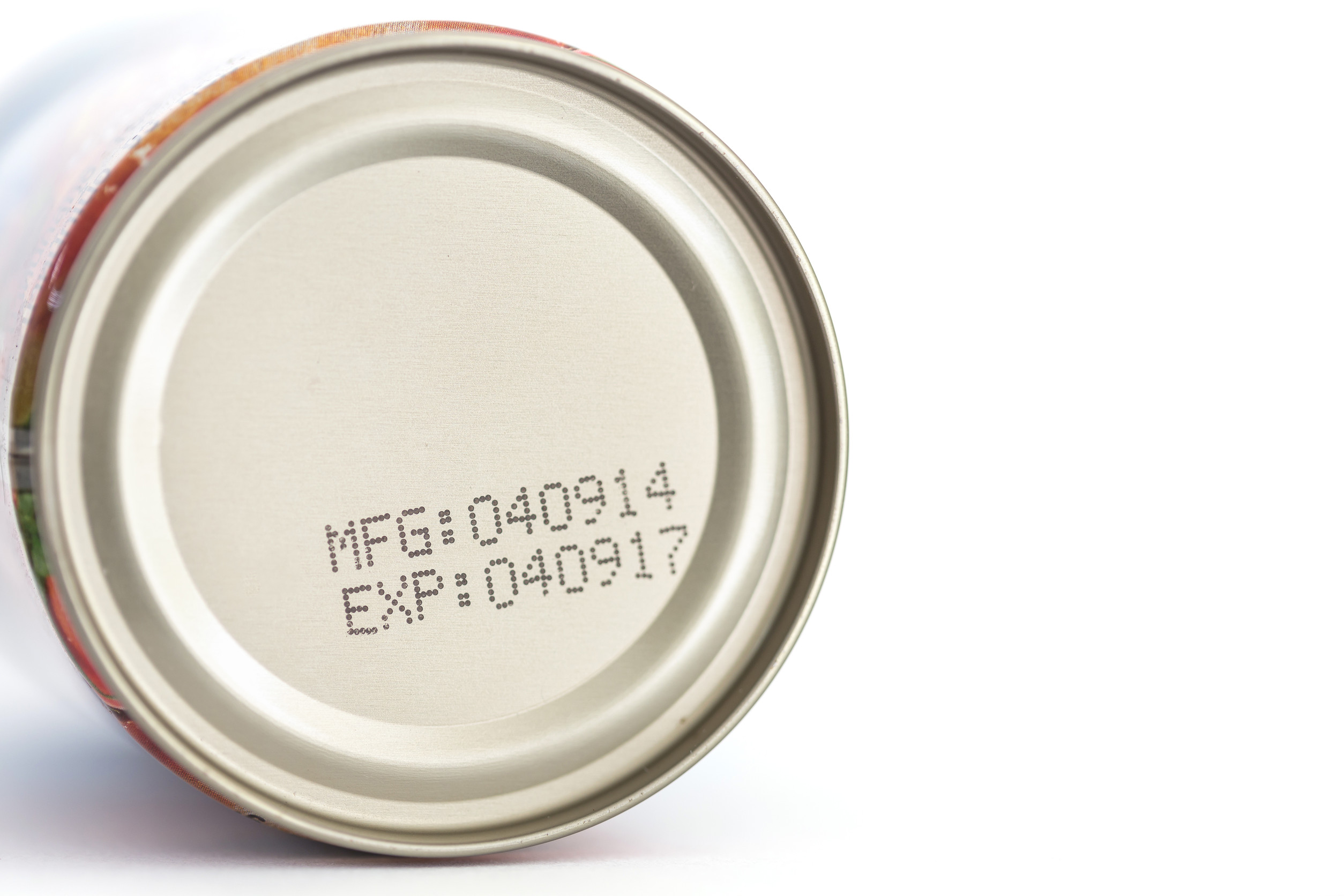
While it might seem harmless to donate food that’s past its expiration date, expired food should never be given to food pantries. The expiration date ensures the food is at its peak in terms of safety and nutritional value. Once an item expires, it becomes a potential health risk and loses much of its original nutritional content. Donating expired food only leads to waste, as pantries must dispose of it.
Perishable Goods
It’s easy to think that fresh produce, dairy, and meats are excellent donation options, but in reality, perishable foods are impractical for food pantries. These items have a short shelf life and often require refrigeration or immediate consumption, which many food pantries cannot provide. Fresh fruits, vegetables, dairy products, and meats spoil quickly, leading to waste and potential health risks.
Damaged or Opened Packaging
Packaging is one of the most important factors in food donations. Even the slightest tear in a bag, a dent in a can, or a broken seal can make an item unsafe for consumption. Food pantries cannot distribute food with damaged packaging because it poses a risk of contamination and spoilage. Damaged food items are not only unsafe but also a waste of resources that could have been used for high-quality donations.
Sugary Drinks
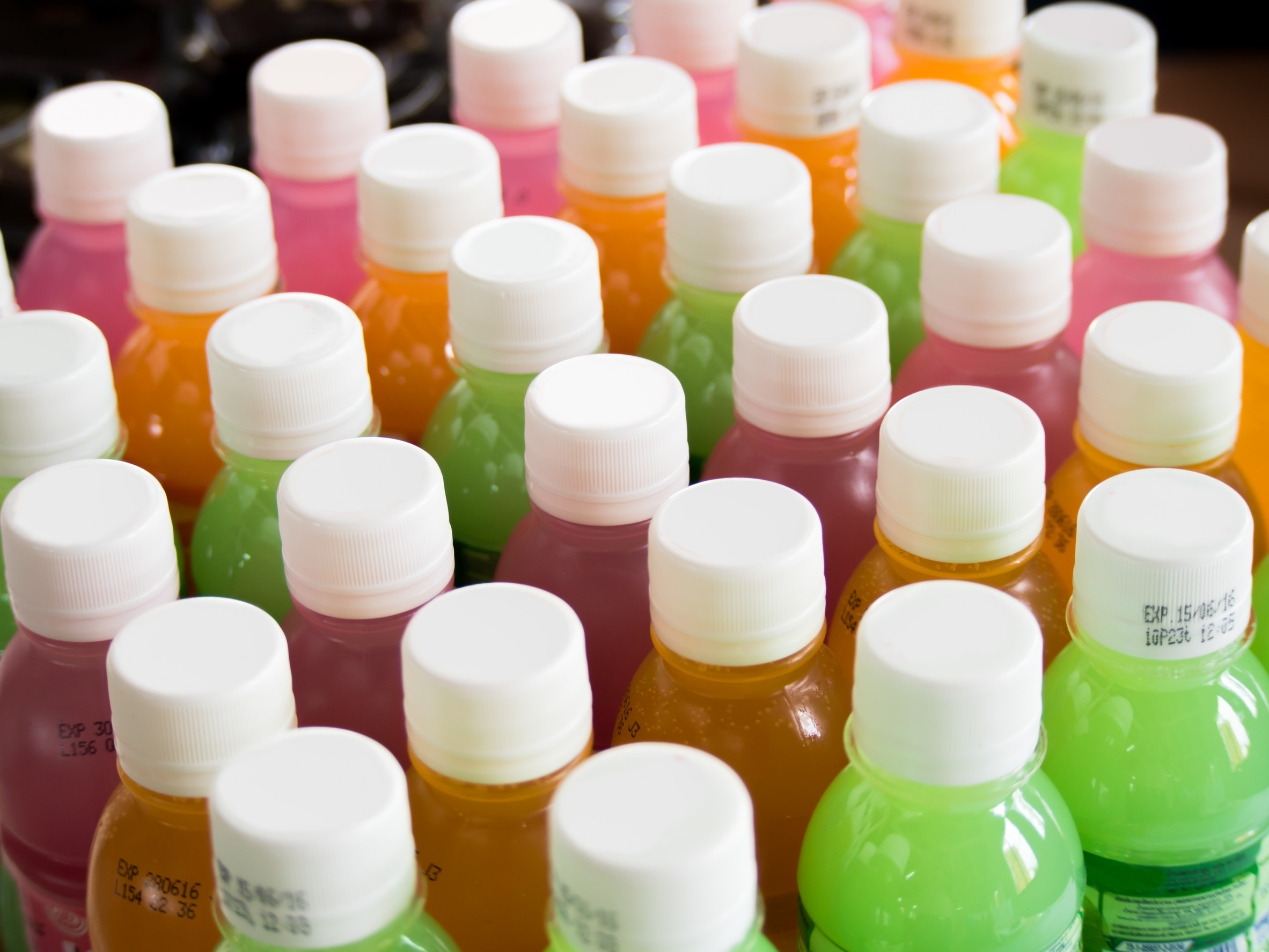
Food pantries often turn away sugary beverages like sodas, energy drinks, and sweetened juices. While they may be widely available and easy to donate, sugary beverages offer little to no nutritional value and contribute to unhealthy diets. Food pantries aim to provide nourishing meals to families, and these drinks don’t align with that goal.
Supplements and Vitamins
While you may have a bottle of unused vitamins or supplements lying around, they’re not appropriate for donation to food pantries. Food pantries do not typically distribute vitamins or supplements because they are not regulated in the same way as food products. There are also safety concerns, as unregulated supplements could be harmful or ineffective.
Non-Food Items

Food pantries are designed to provide sustenance to those in need, so they typically do not accept non-food items. While it’s tempting to donate clothes, books, or other household goods, these donations should be directed elsewhere. Non-food items can create unnecessary clutter in food pantries and distract from their core mission of providing food.
Conclusion
Donating food is an incredible way to give back to your community, but it’s essential to donate responsibly. By avoiding items like damaged packaging, expired goods, perishable foods, sugary drinks, vitamins, and non-food items, you can ensure your donation is safe, nutritious, and valuable.
Focus on donating nutrient-rich, shelf-stable foods with a long shelf life that can provide lasting nourishment. By adhering to these guidelines, you’ll help food pantries serve their communities more efficiently, reduce waste, and support families in need with the right resources.
Before making any donation, check with your local pantry. They will be able to provide a list of their most-needed items and guide you on what will have the greatest impact. By following these simple steps, you’ll make sure your donation goes further and helps those who need it most. Happy giving!