6 home features boomers always prioritize
When Baby Boomers begin house hunting for retirement or downsizing, they have a clear list of wants. This generation is driving massive changes in real‑estate demand, and their home‑buying habits reveal what matters most. According to a 2024 AARP survey, 75 percent of adults over 50 want to stay in their current homes as they age.
Meanwhile, a 2023 report from the Joint Center for Housing Studies at Harvard University shows that 74 percent of older households live in single‑family homes — underscoring the appeal of particular house types. As aging trends combined with the surging number of retirees have made these preferences stronger, builders and developers are paying close attention. They are updating home design — especially for safety, comfort, and convenience — to meet Boomers’ expectations.
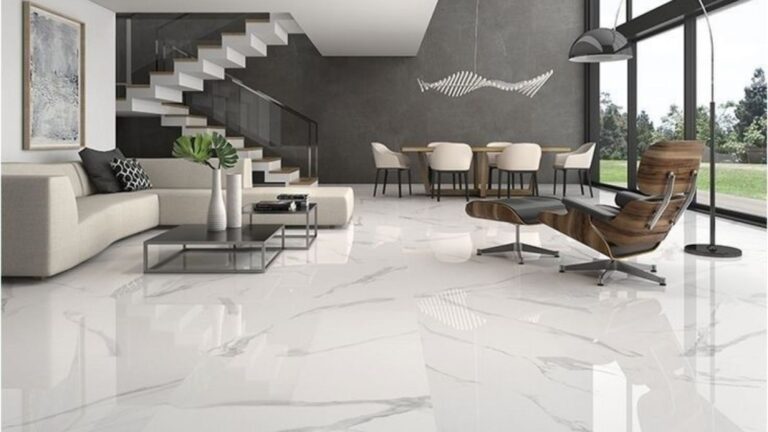
Single-level living
Many Boomers look for homes without stairs. The appeal is evident in the data: 74 percent of older households live in single‑family homes. Single‑story houses reduce the risk of falls — a genuine concern as mobility changes with age. Research shows that home modifications and accessible design significantly reduce fall risk and help maintain independence.
Builders respond by offering ranch-style homes and first-floor layouts so older buyers don’t need constant renovations. The simplicity of single-level living also means fewer surprises down the road. No heavy stair-climbing. No awkward remodeling. Just accessible comfort.
Low‑maintenance design
Boomers often prefer homes that don’t demand constant upkeep. A 2024 study by The Conference Board, in conjunction with Nielsen, found 42 percent of older adults prefer living in smaller, easier-to-manage homes. That smaller footprint often comes hand in hand with low-maintenance landscaping, energy-efficient windows, and durable siding. These features save time, money, and energy — valuable during retirement.
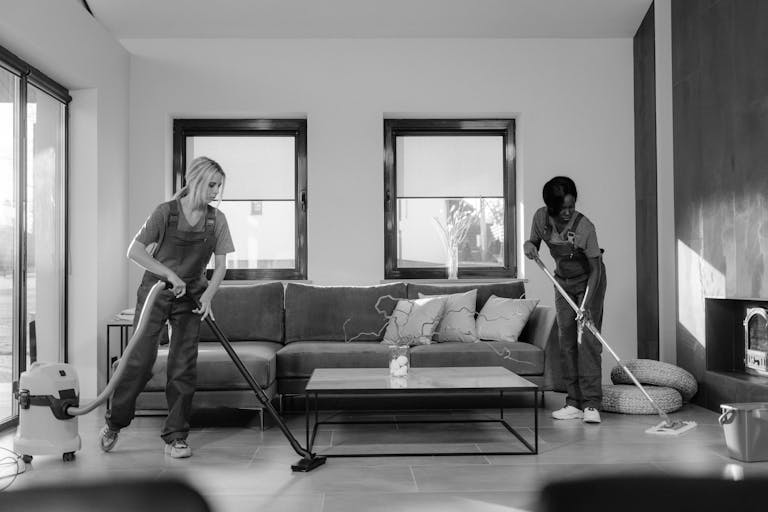
Many Boomers have moved from large family homes with big yards and realize they’d rather not have to bother with lawn chores or frequent repairs. Developers are responding by building houses with minimal upkeep needs. This frees up more time for homeowners to enjoy hobbies, travel, or family visits — without the constant upkeep concerns.
Accessible bathrooms
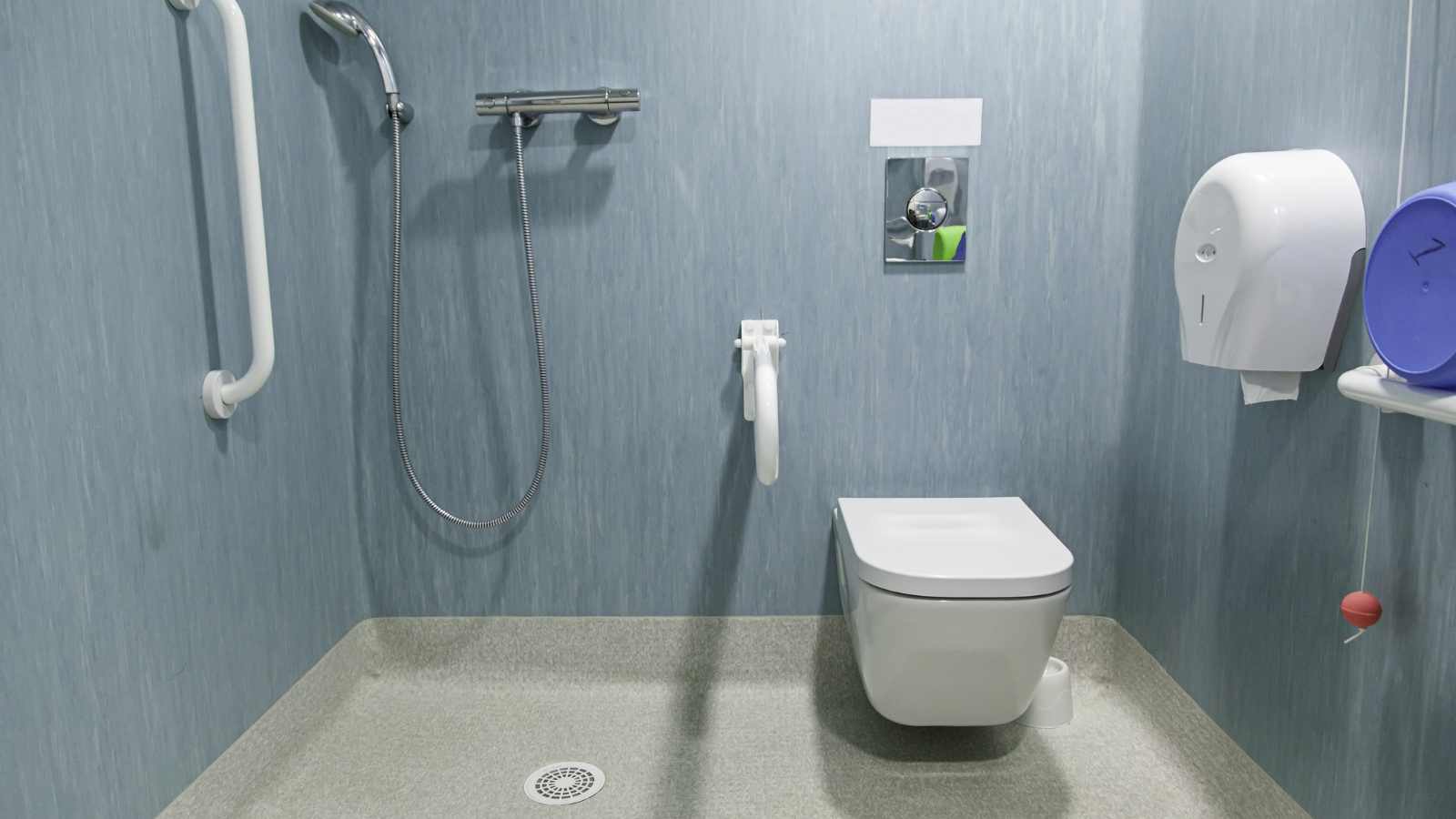
Bathrooms can become tricky as people age. That’s why many Boomers insist on walk-in showers, no‑step entries, and grab bars. Universal design features, such as lever-style door handles, no-step entrances, and accessible bathrooms, significantly enhance usability and safety for older adults.
Home adaptations, including better bathroom design, improve quality of life, reduce fear of falling, and support continued independence. Accessible bathrooms enable older adults to stay in their homes longer without risking injury, compromising comfortable, dignified living, or worrying about costly remodels later.
Proximity to healthcare and family
Location is everything. As Boomers get older, access to health care, pharmacies, and family becomes incredibly important. The 2024 AARP survey reports that many older adults expect to move eventually, and the top reasons include the cost of living and access to services.
For those on fixed incomes or with chronic health conditions, proximity to medical care brings peace of mind. But the proximity to loved ones helps, too – many Boomers want their children or grandchildren close by. Moving closer to amenities and transportation, and to support networks, enables them to stay active and be independent without relying on long commutes.
Formal dining rooms and a traditional layout

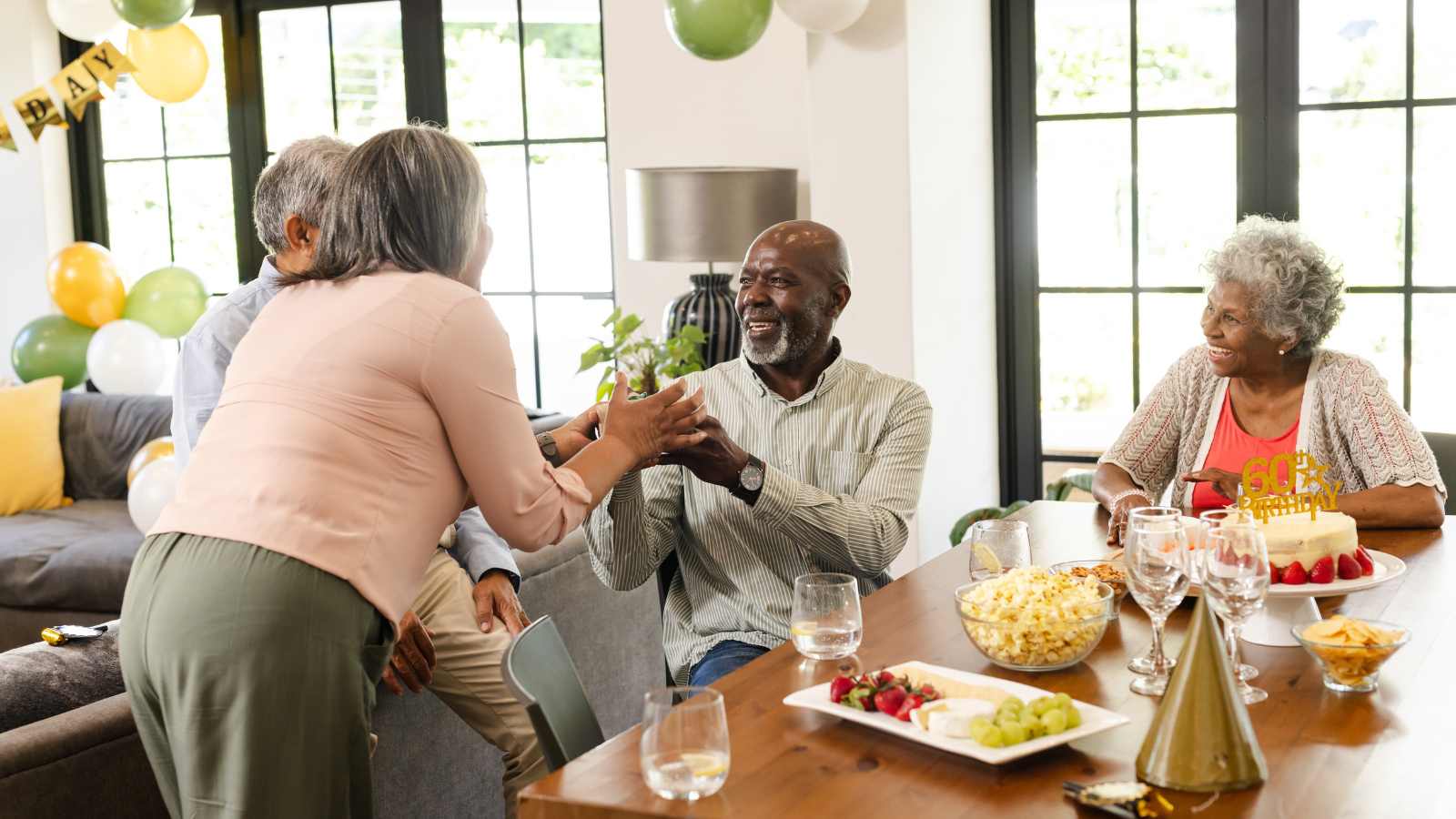
While most newer generations tend to go with open-floor plans, many Boomers cling to traditional layouts with formal dining rooms and classic floor plans. A smaller home doesn’t always have to mean sacrificing space for hosting. Many older adults prefer smaller homes but still value layouts that support family life and gatherings.
Traditional layouts give a sense of familiarity and comfort. Formal dining rooms offer space to gather during the holidays and for family celebrations. These spaces represent Boomers’ values of long-standing traditions and opportunities for connection. For many, these homes feel like home — not just houses.
Quiet, safe neighborhoods
Peace, calm, and community matter deeply. Good housing isn’t just about the walls and roof. According to a 2020 ResearchGate study of older adults’ preferences for housing and environment, safety, walkability, amenities, and cleanliness contribute significantly to seniors’ well-being.
For Boomers, living in a neighborhood with low crime, friendly neighbors, and access to services means confidence and comfort. As older homeowners look for places to stay, these qualities become more vital than proximity to nightlife or urban hustle. Quiet streets, parks nearby, and stability make homes feel safe — and help residents feel rooted.
Key takeaway
Boomers shape what’s being built-and sold-when it comes to homes: single-story houses, low-maintenance designs, accessible bathrooms. Homes near healthcare and loved ones are favored. Traditional layouts facilitate family gatherings.
And neighborhoods should be quiet and safe. These preferences echo an underlying want for comfort, security, and meaningful connections. Builders and buyers who pay attention to the needs of this demographic will find homes that suit not just Boomers now, but their lifestyle in the years to come.