In recent years, gut health has been at the forefront of wellness discussions, with new trends emerging almost every month. From probiotics to gut-specific diets, everyone seems to have an opinion on how to optimize our digestive system. But with so much information swirling around, how can we distinguish between what works and what’s simply a passing fad?
In this article, we’re diving into six popular gut health trends, breaking them down to see what truly holds up under the microscope of science.
Probiotics
Image Credit:123RF Photos
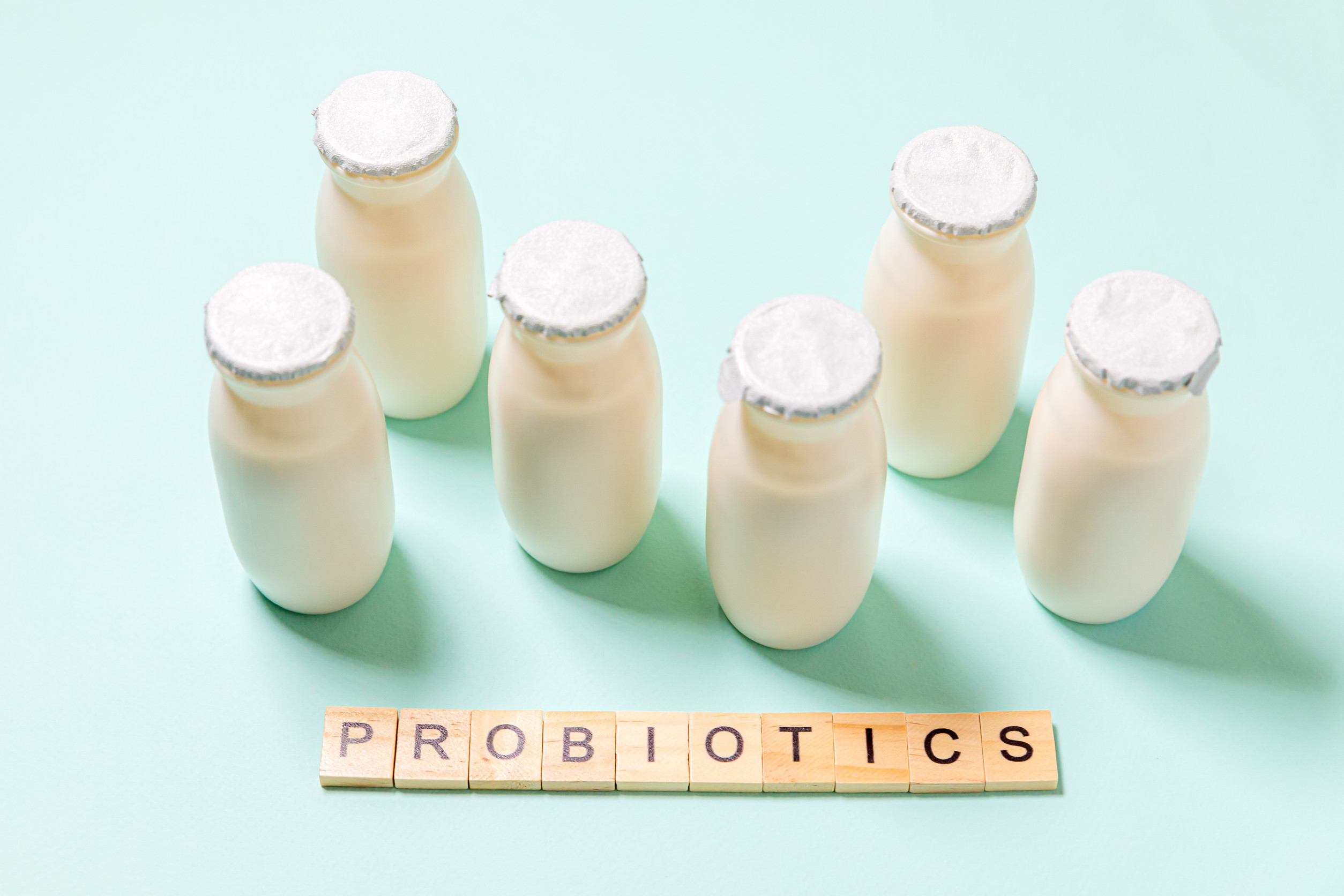
Probiotics have been hailed as the golden ticket to better gut health, offering everything from improved digestion to a boosted immune system. These “good bacteria” are naturally found in foods like yogurt, kefir, and fermented vegetables, and they’re also available in supplement form. But do they really work?
The science is mixed. Probiotics can benefit certain individuals, particularly those with gut imbalances, such as irritable bowel syndrome (IBS) or antibiotic-associated diarrhea. However, not all strains of probiotics are created equal. The effectiveness of a probiotic depends on the specific strain, dosage, and individual gut microbiome.
For the average person without digestive issues, the benefits may be minimal.
Gut Health Diets
Over the past few years, we’ve seen the rise of gut-specific diets, such as the FODMAP diet, the Mediterranean diet, and the gut healing protocol. These diets often emphasize foods that support a diverse microbiome and eliminate processed foods, gluten, and dairy.
The Mediterranean diet, in particular, is among the most well-researched, showing that it can foster a healthy gut microbiome by emphasizing fiber-rich foods, healthy fats, and fermented foods.
The FODMAP diet, though restrictive, has proven effective for people with IBS, helping to alleviate bloating and gas. If you’re looking to improve your gut health, adopting a balanced, fiber-rich diet filled with prebiotic foods like garlic, onions, and bananas is a good start.
Prebiotics
Image Credit:123RF Photos
While probiotics get the spotlight, prebiotics are quietly working behind the scenes to feed and support the beneficial bacteria in your gut. Prebiotics are naturally occurring fibers found in foods like oats, asparagus, and leeks. They help stimulate the growth and activity of beneficial bacteria, improving digestion and overall gut health.
The beauty of prebiotics is that they are a more sustainable solution for long-term gut health. Unlike probiotics, which are transient and require continual supplementation, prebiotics can be found in your regular meals and help nourish the beneficial bacteria that already reside in your gut. Think of prebiotics as the fuel that powers your gut’s ecosystem.
Fermented Foods
Image Credit:123RF Photos
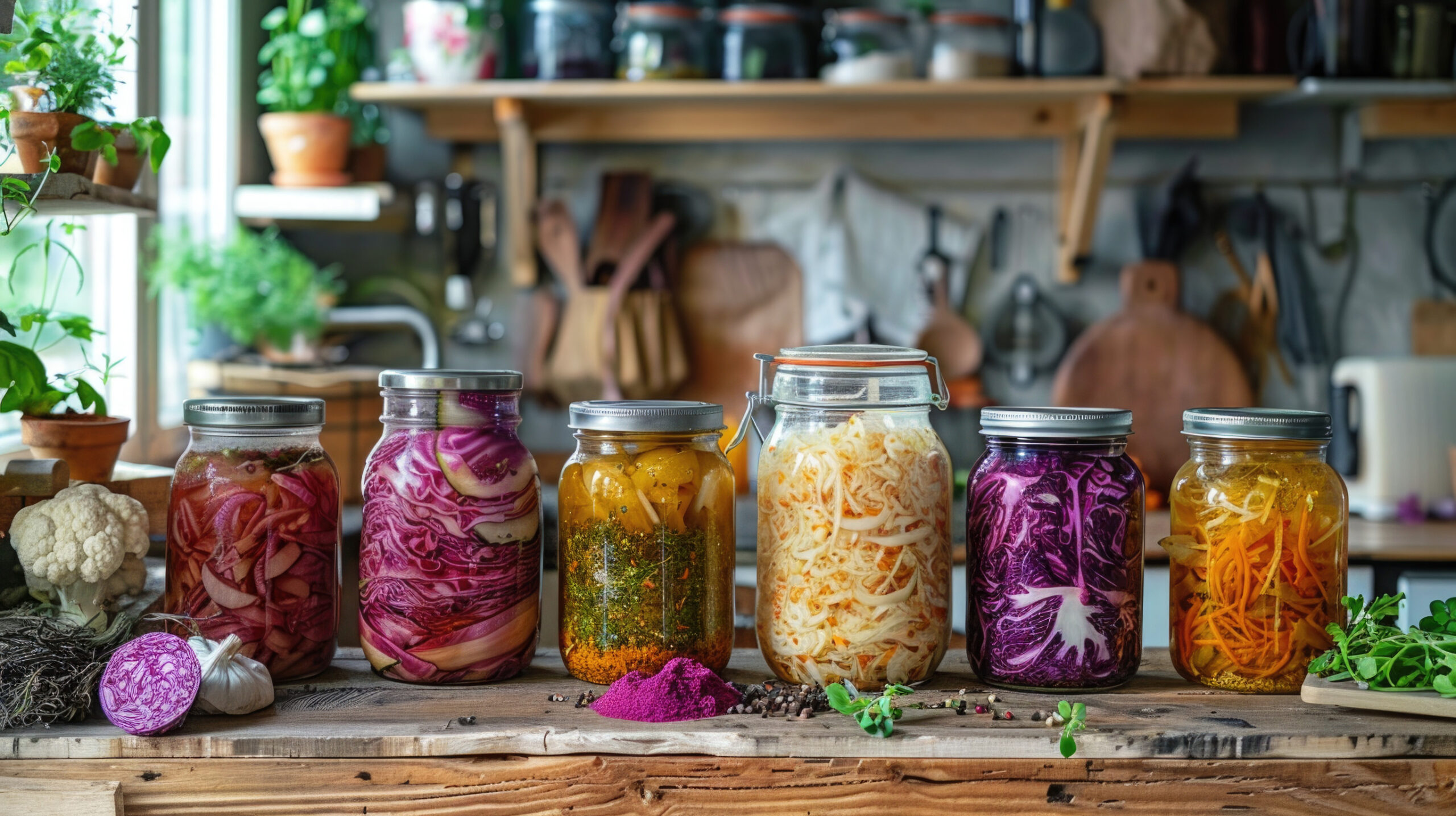
Fermented foods like kimchi, sauerkraut, kombucha, and miso have been around for centuries, but they’re experiencing a resurgence in popularity as part of the gut health trend. These foods are packed with live bacteria that can support the diversity of your gut microbiome.
Research shows that regularly consuming fermented foods can help improve gut health by increasing the population of beneficial bacteria and potentially reducing inflammation. Additionally, fermented foods provide other health benefits, such as boosting immunity and enhancing nutrient absorption.
If you’re looking to diversify your gut microbiome and improve digestion, adding more fermented foods to your diet is a delicious and effective way to do so.
Gut Health and Mental Health
You’ve probably heard about the gut-brain connection, and it’s more than just a buzzword. The gut and brain communicate through the vagus nerve, and recent studies have shown that a balanced gut microbiome can influence mental health. For instance, an imbalance in gut bacteria has been linked to conditions like anxiety and depression.
Incorporating gut-friendly foods like fiber-rich fruits and vegetables, probiotics, and omega-3 fatty acids from fish may improve mood and cognitive function. But it’s important to remember that gut health alone may not be the cure-all for mental health issues; it’s just one part of the puzzle.
Gut Health Supplements
Supplements such as collagen, digestive enzymes, and fiber are marketed as quick fixes for optimal gut health. While some of these supplements can help with specific digestive concerns, they should never replace a balanced diet. For instance, collagen has shown promise in improving gut barrier function and healing leaky gut, while digestive enzymes can help break down food and alleviate bloating.
However, it’s essential to approach these supplements with caution and consult a healthcare professional before diving into any regimen. A healthy gut starts with a solid foundation diet, hydration, and lifestyle choices before relying on supplements.
Conclusion
Gut health may seem like a complicated and elusive subject, but the truth is, maintaining a healthy gut often comes down to simple, sustainable habits. Prioritize a diet rich in fiber, fermented foods, and prebiotics, and support it with probiotics if needed. While trendy diets and supplements may offer short-term benefits, focusing on long-term lifestyle changes will yield the best results for your gut health.
Remember, there’s no one-size-fits-all approach to gut health. What works for one person may not work for another, so it’s important to listen to your body and experiment with what feels right for you. By grounding yourself in the fundamentals of gut-friendly foods and practices, you’ll be well on your way to feeling your best from the inside out.