6 Forgotten Foods Once Common in American Homes
The rhythm of American culinary traditions has changed dramatically over the years. Where once humble, hearty foods graced dinner tables across the nation, many of these staples have faded into history. As convenience and globalization shaped the modern palate, these once-common meals slipped into obscurity.
Cornmeal Mush
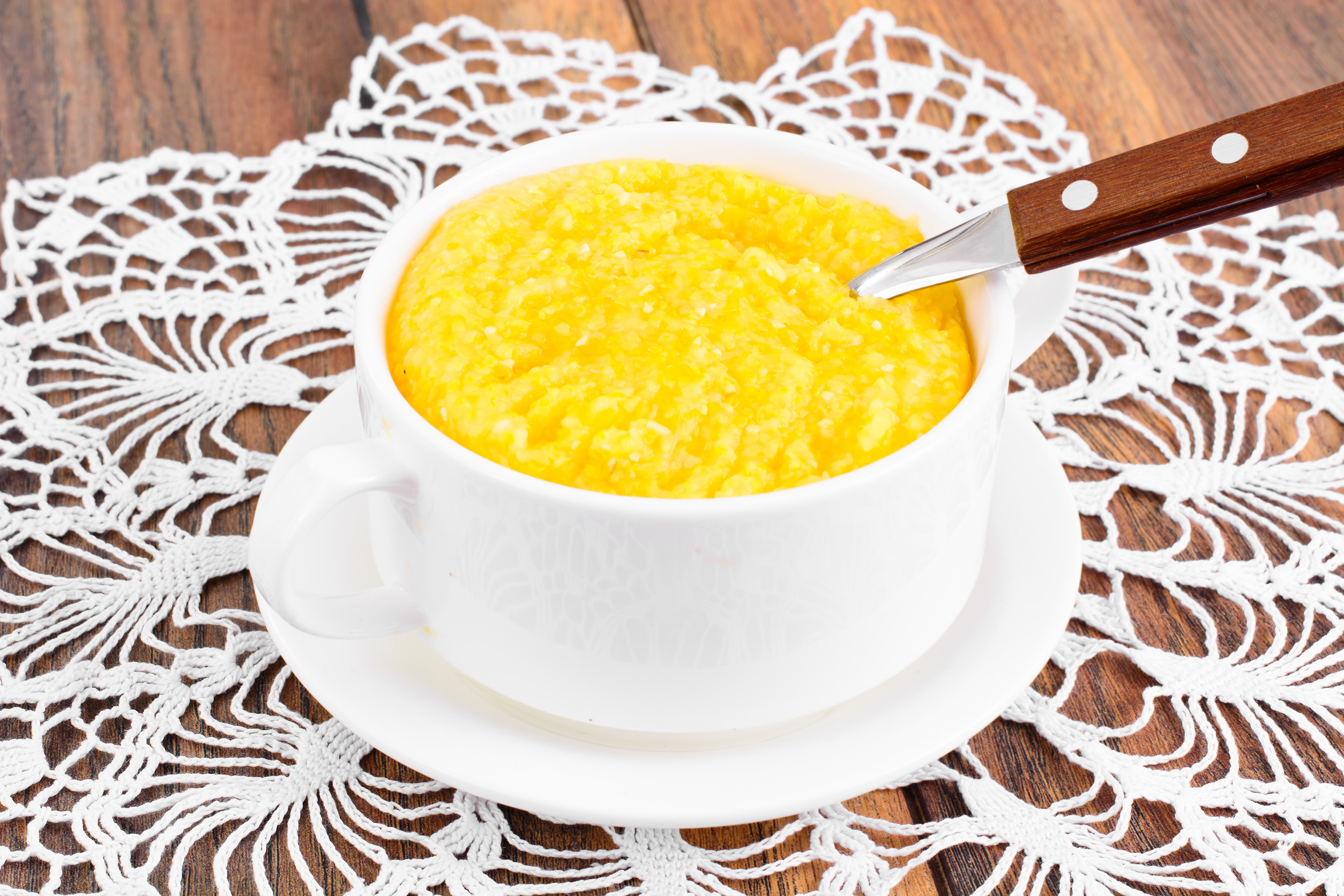
Cornmeal mush embodies simple, rustic eating. In the days before cereal boxes and granola bars, cornmeal mush was a beloved breakfast in rural America. Made by cooking cornmeal in water or milk until thickened, it could be eaten hot in the morning or sliced and fried later in the day for a change of texture. It was easy to prepare, filling, and affordable, making it a staple in Appalachian and Southern kitchens.
Boiled Dinner
A boiled dinner is the ultimate one-pot meal, a culinary tradition that spans generations. Typically made with beef or ham, cabbage, and root vegetables like carrots and potatoes, this dish was designed for efficiency. Everything would simmer together in a single pot, making clean-up a breeze and the meal a hearty, filling experience.
The broth was often served as a soup, while the meat and vegetables made up the bulk of the meal, stretching the ingredients to feed a family over several days. The boiled dinner is now a rarity in most American kitchens, replaced by faster, more convenient options.
Lard on Bread
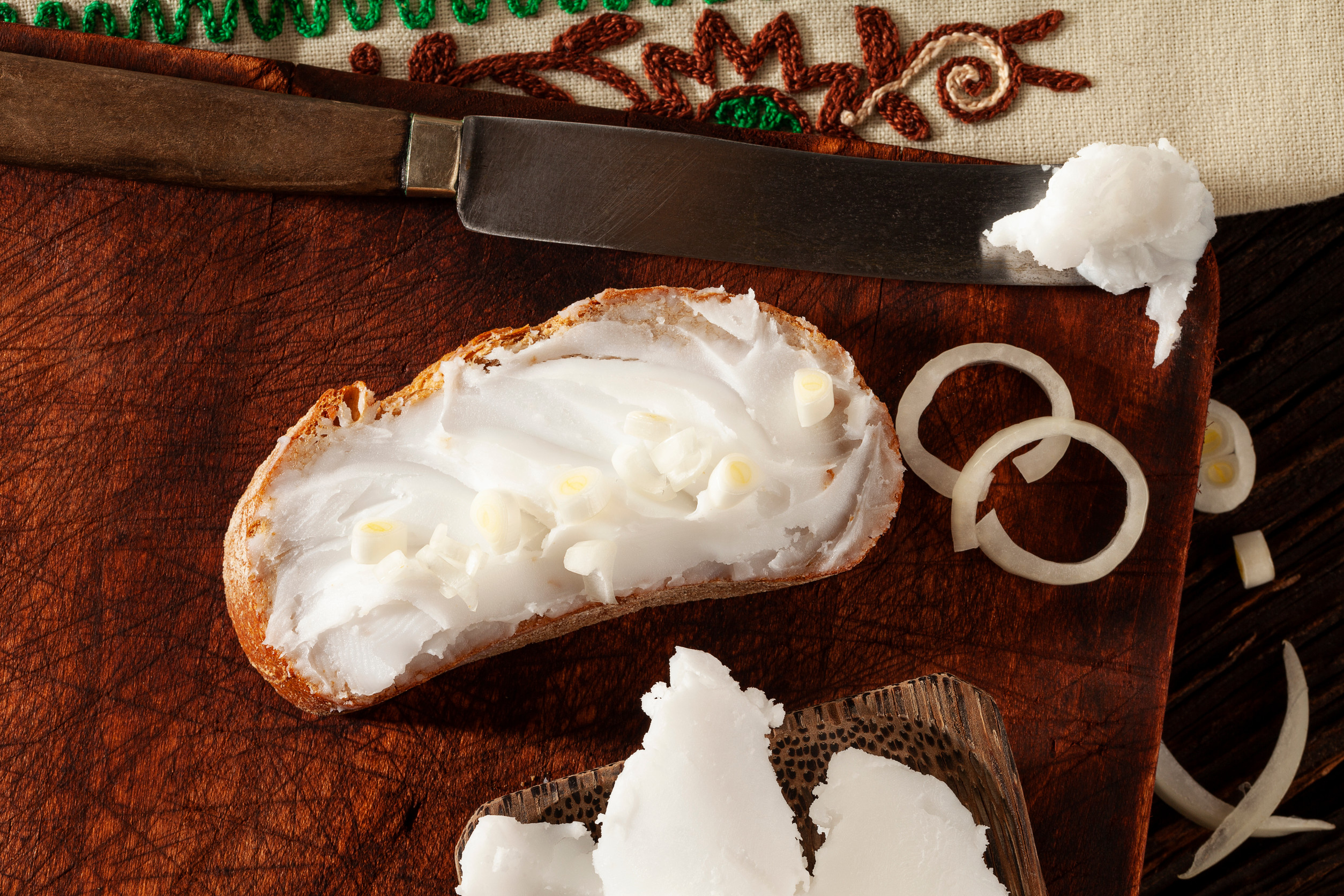
Before the days of butter and spreads laden with preservatives, lard was the spread of choice for many American households. It wasn’t fancy or refined, but it was rich in calories, quick to prepare, and satisfying after a long day of hard work. Lard on bread was a go-to snack for families, particularly in working-class homes. A pinch of salt or a dash of seasoning transformed this simple dish into a surprisingly flavorful comfort food.
Scrapple
Scrapple, a dish born from the necessity of using every part of the pig, was once a popular breakfast food, especially in Pennsylvania. Made from pork scraps, cornmeal, and spices, this loaf-shaped dish was fried to crispy perfection and served alongside eggs or on its own. Scrapple became a symbol of frugality, ensuring no piece of the pig was wasted, and it nourished many American families who were trying to make the most of their food.
Codfish Cakes
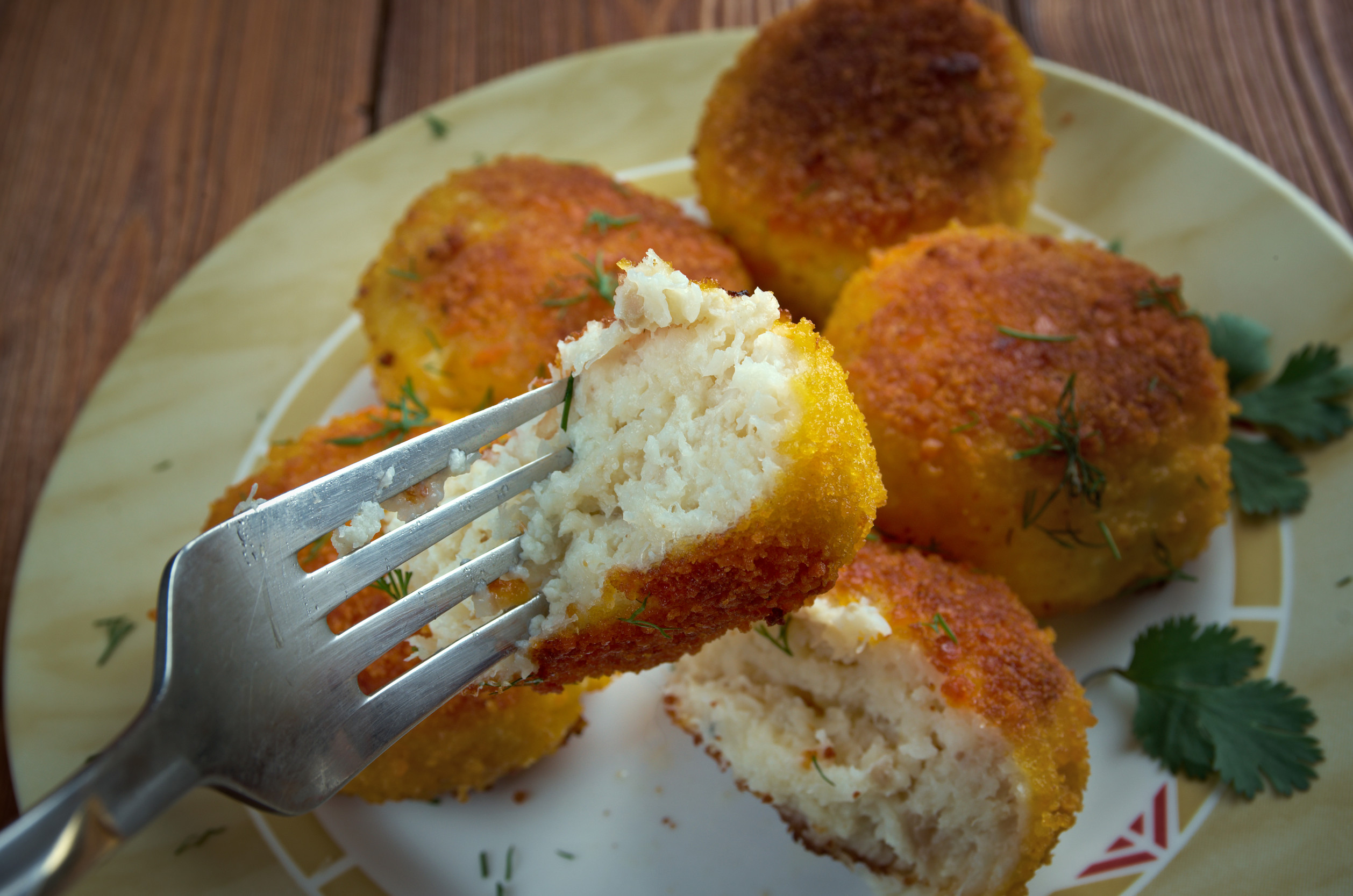
Codfish cakes were once a go-to meal, particularly in coastal regions where salt cod was plentiful and affordable. Salt cod was rehydrated, mashed with potatoes, and fried into crispy cakes. These codfish cakes were not only a great way to stretch fish but also a delicious, easy-to-make dinner option.
Oyster Stew
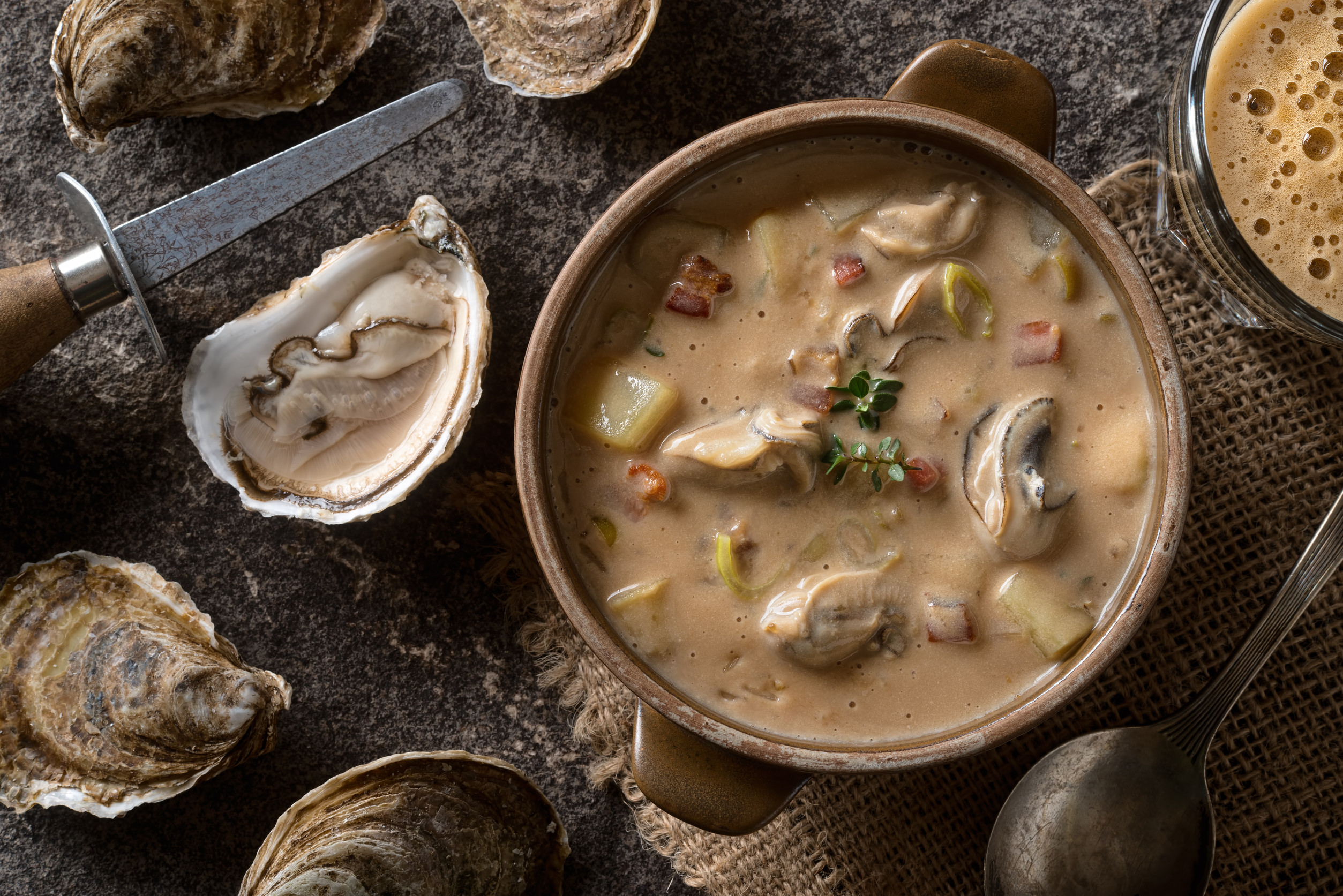
At one time, oysters were not the expensive delicacy they are today. Oysters were cheap and abundant, particularly in the 19th and early 20th centuries, making oyster stew a common comfort food. Simple to prepare with milk, butter, and seasoning, oyster stew was a meal enjoyed by many families, particularly on Fridays in Catholic households. The dish was hearty, warming, and rich in flavor, ideal for cold winter nights.
Conclusion
These forgotten foods are more than just historical curiosities; they’re reminders of a time when meals were crafted with care, practicality, and resourcefulness. While these dishes may no longer hold the same place in modern kitchens, they offer a glimpse into the culinary landscape of the past, showcasing the ingenuity of earlier generations. Whether due to economic necessity or a desire to use every part of an ingredient, these foods speak to the resilience of the American home cook.
As food culture continues to evolve, perhaps it’s time to revive these old favorites, bringing them back to life in a modern context, where nostalgia meets creativity. By rediscovering these forgotten foods, we can celebrate our culinary history while honoring the lessons they impart about sustainability, simplicity, and the joy of shared meals.