


Ever looked at a menu and immediately spotted the one ingredient that makes you want to put the page down? Almost everyone has a food they refuse to touch. But those strong reactions are not always about being stubborn or overly selective. After years of hearing people explain their biggest food dislikes, one thing becomes clear: our eating habits are shaped by a complicated mix of biology, genetics, memories, and textures that our brains simply reject.
Recent YouGov data shows that many American adults have surprisingly strong opinions about certain foods, and science helps explain why those dislikes exist. By exploring the numbers behind America’s most hated foods and the strange chemistry behind their flavors and textures, we can uncover why some ingredients become favorites for some people and absolute deal-breakers for others.
Liver
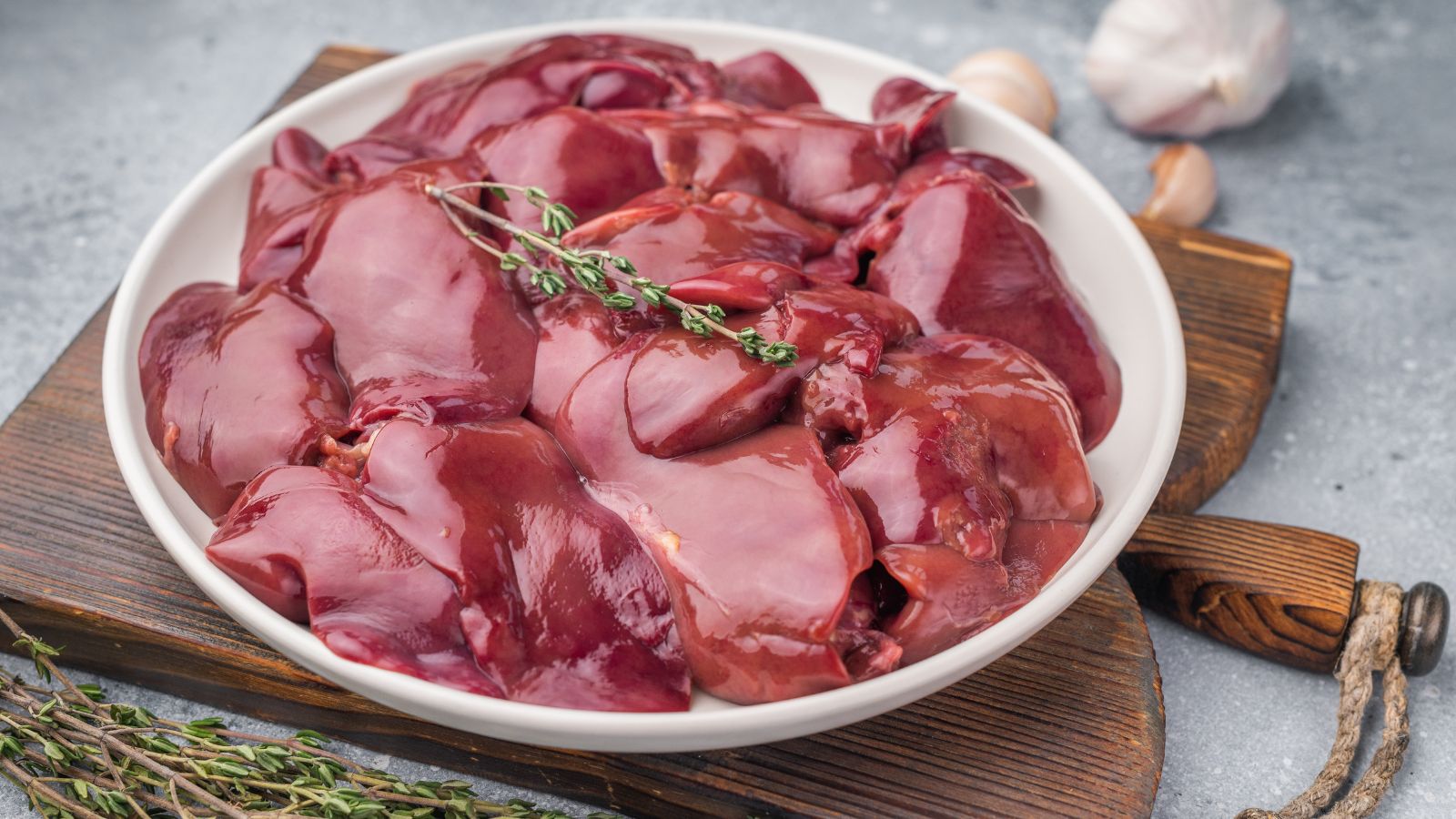
Liver sits at the top of America’s list of most disliked foods, with 54% of people saying they refuse to eat it, according to YouGov data. For many, the problem comes down to its unusual texture and that unmistakable metallic flavor often linked to its high iron content. I still remember the childhood moment when my grandmother confidently served liver while insisting it was just steak. The disappointment felt like a personal betrayal that never truly disappeared.
Despite its unpopular reputation, liver has found new life among health enthusiasts and members of the carnivore diet movement. Online influencers have started promoting raw liver as a nutrient-packed superfood, claiming it can boost energy and improve health.
However, experts caution that consuming too much liver can lead to excessive vitamin A intake, creating potential health risks. For those tempted to join the organ meat revival, moderation and awareness are essential.
Okra
Okra has earned a reputation as one of America’s most polarizing vegetables, with around 29% to 35% of people refusing to eat it. The biggest reason? Its infamous slimy texture, caused by a substance called mucilage. For many people, that slippery consistency is enough to ruin the entire experience, with some describing it as less like a vegetable and more like something that belongs in a science experiment. One chef famously went as far as calling okra “the most foul thing ever grown” in an interview with The Guardian.
Okra’s most controversial feature has become the center of a new wellness trend. In 2025, more people began experimenting with okra water, soaking the pods overnight and drinking the thick liquid for its rumored blood sugar benefits. The irony is hard to ignore: many people reject okra because of its signature slime, only to embrace that exact same texture in a glass. Love it or hate it, okra has found a way to stay in the conversation.
Related: 8 Shocking Foods That Can Kill You
Brussels sprouts

Brussels sprouts were once the vegetable villain that haunted childhood dinner tables across America. For many people, the hatred was not just about bad memories, but biology. These tiny green vegetables contain glucosinolates, natural compounds that can create a strong bitter flavor, especially for people with certain variations of the TAS2R38 taste receptor gene. For those who are more sensitive to bitterness, sprouts can taste less like a healthy side dish and more like a punishment.
Scientists and farmers have worked to reduce their bitter compounds, creating newer varieties with a milder, sweeter taste. So if the last time you tried sprouts was in the 1990s, it may be time for a second chance. Modern Brussels sprouts are far from the bitter, sulfur-smelling vegetables of the past, although even today’s improved versions can still become unpleasant when boiled into a soft, overcooked mess.
Anchovies
If you want to ruin a pizza for 56% of the population, just toss on a few of these salty fish. Anchovies statistically rank as the most disliked food in America. It’s a battle between umami and the scent of decay. Anchovies contain intense amines that mimic the smell of decomposition, triggering a biological “danger” alarm in your brain.
However, Gen Z is rebranding them. Have you seen the “Tinned Fish Date Night” trend on TikTok? Suddenly, eating conservas is cool. While influencers plate artisan anchovies for clout, most of us still pick the hairy little strips off our pizza.
Related: 5 Frozen Pizzas You Should Avoid Due to Serious Cancer Risks
Tofu

Tofu remains one of America’s most divisive foods, with 46% of adults admitting they cannot stand it, according to YouGov data. For many critics, the biggest issue is the texture. The soft, spongy consistency often leaves people comparing it to a flavorless block that feels nothing like the meat-based dishes they expect. If someone is looking for the bite and chew of chicken or beef, tofu can feel like a completely different experience.
This dislike often follows generational lines. Older adults are far more likely to reject tofu, with 57% expressing dislike compared with 32% of younger adults. While younger generations have increasingly embraced tofu as a versatile plant-based protein, many Boomers still associate it with unfamiliar health trends or the “hippie food” movement of decades past. For them, tofu is not a modern superfood, but a strange substitute that never earned a place at the dinner table.
Mushrooms
Mushrooms may be a favorite ingredient for many food lovers, but for others, they are a complete sensory nightmare. Some people experience mycophobia, a fear or strong dislike of mushrooms, often linked to their unusual appearance, earthy smell, and soft, almost slippery texture. For those who struggle with the consistency, biting into a cooked mushroom can feel less like eating a vegetable and more like chewing something that does not belong on a plate.
Yet mushrooms have become a major player in the wellness world. In 2025, mushroom-based products, especially mushroom coffee, continue gaining popularity among health-conscious consumers looking for natural ways to support focus and energy without the crash associated with traditional caffeine. The irony is clear: many people are willing to embrace mushrooms when they are blended into powders or drinks, but still hesitate when they appear whole in a meal.
Key Takeaway
Food aversions are not always about being picky; they are often connected to biology, memories, and the way our brains process certain textures and flavors. Whether it is a genetic sensitivity that makes cilantro taste like soap or an instinctive rejection of slimy textures like okra, the foods people avoid often have deeper reasons behind them.
The biggest food trend of 2025 appears to be finding ways to enjoy the benefits without confronting the “ick.” People are drinking okra water, adding mushroom powders to coffee, and experimenting with alternative forms of foods they once avoided. At the end of the day, enjoying food is personal, and there is nothing wrong with skipping the dishes that make your stomach turn. Even the most nutritious foods are not worth forcing down if they never earn a place on your plate.
Other Posts You Might Like:
The post 6 Foods That Many Boomers Still Absolutely Refuse To Eat
If you like what you just read, then subscribe to our newsletter and follow us on social media.


