6 Fitness Myths Your Body Is Tired Of

Fitness is a realm filled with advice, trends, and often conflicting information. From workout routines to nutrition plans, everyone seems to have a secret formula for achieving that perfect body or improved health. Unfortunately, not all the advice floating around is grounded in truth.
In fact, some of the most popular fitness myths can actually do more harm than good. Your body has heard enough of these myths, and it’s time to set the record straight. Here are six fitness myths your body is tired of hearing.
You Need to Work Out Every Day to See Results.
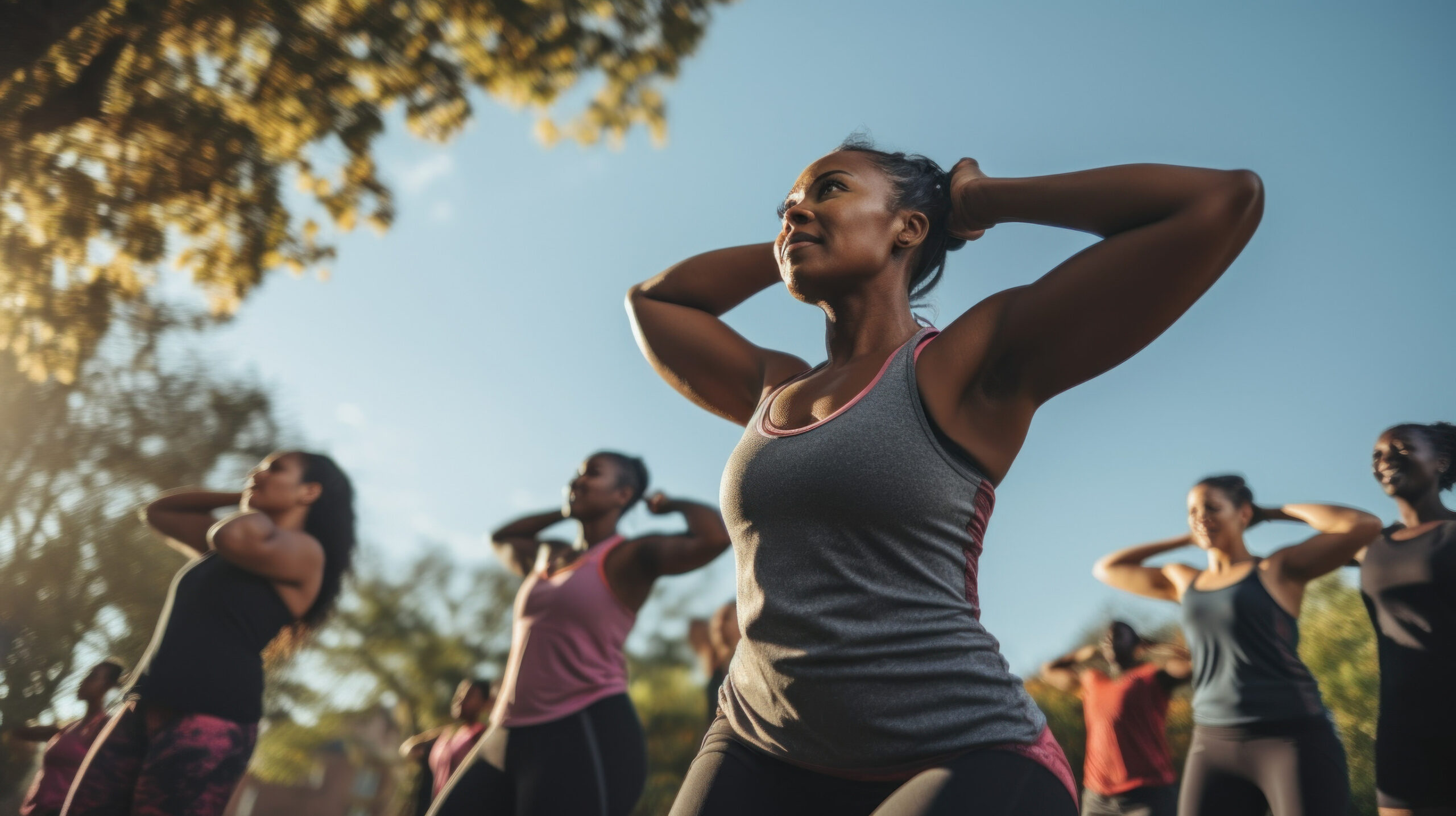
The pressure to work out every single day can be overwhelming. Social media influencers and fitness enthusiasts often tout daily workouts as a non-negotiable path to success. But here’s the truth: Your body needs rest to recover, rebuild, and come back stronger.
Rest days are an essential part of any fitness regimen, whether you’re lifting weights, doing high-intensity interval training (HIIT), or even practicing yoga. Overtraining can lead to fatigue, injury, and burnout, leaving your progress stagnant rather than accelerating. Quality over quantity is key.
Giving your muscles time to recover isn’t just important; it’s crucial for growth and avoiding overuse injuries. So, let your body rest and rebuild because it’s on a journey, not a race.
Stretching Before a Workout Prevents Injuries
While stretching is important, static stretching (like reaching for your toes and holding) before a workout isn’t the best approach. Research has shown that static stretching can decrease muscle strength and performance when performed immediately before activity. The risk of injury during a workout is not reduced by stretching cold muscles.
Instead, dynamic stretching, such as leg swings or arm circles, is the way to go. Dynamic stretches help increase blood flow and prepare your muscles for movement without reducing strength. Static stretches are best reserved for the cool-down period after a workout when your muscles are warm and pliable.
So, save the long-held stretches for later and focus on dynamic movements before hitting the gym.
Lifting Weights Will Make Women Bulk Up.
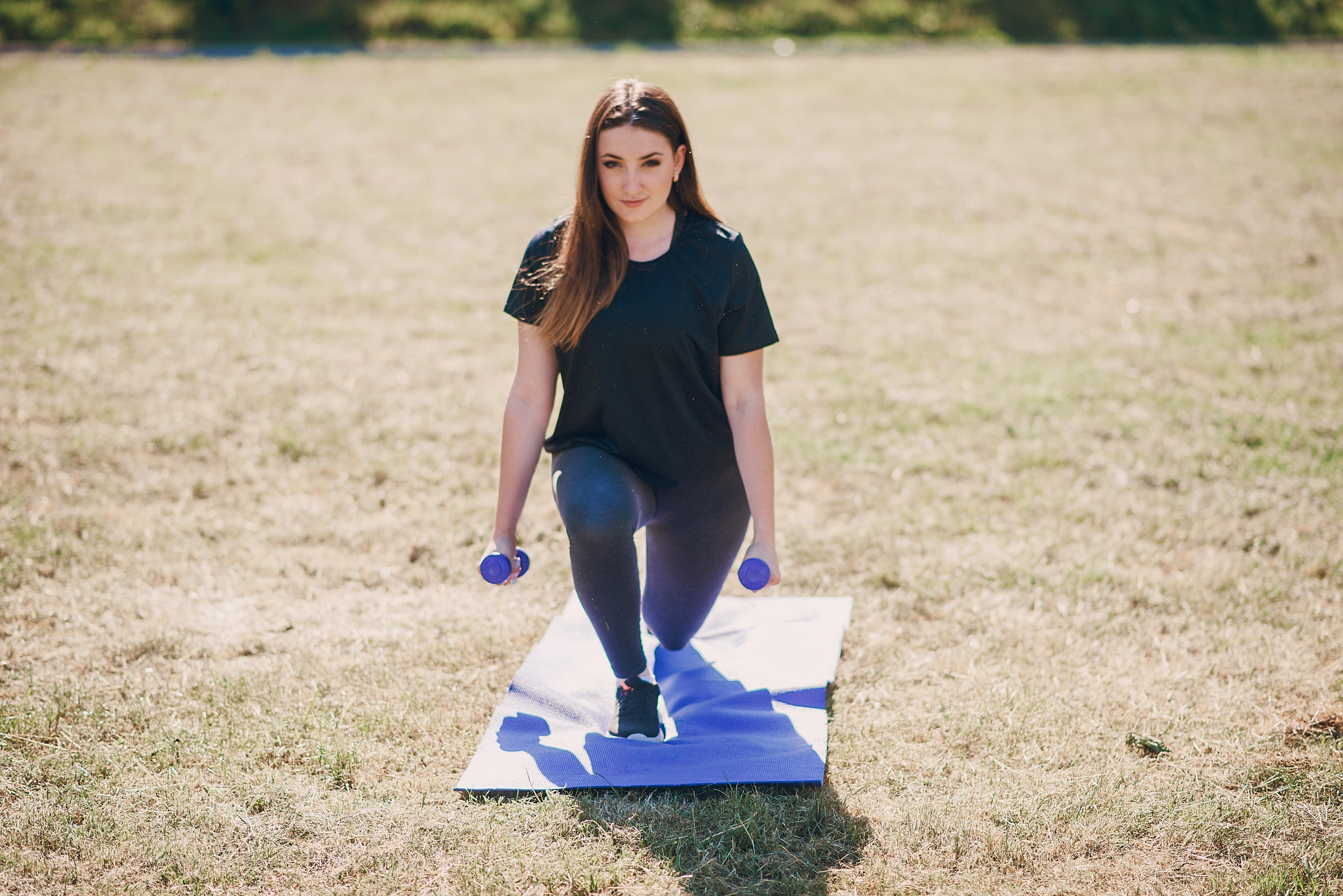
This is one of the most persistent myths in fitness, and it’s about time we put it to bed. Lifting weights won’t turn women into bodybuilders unless that’s their specific goal, and even then, it takes years of intense training and nutrition. In reality, weightlifting helps women build lean muscle, boost metabolism, and achieve a toned, strong physique’
You Can Spot Reduce Fat.
Ah, the elusive dream of spot reduction, the idea that you can target fat loss in specific areas of the body through exercises that focus on those areas. It’s a common belief that doing countless crunches will melt away belly fat or that doing leg lifts will slim down your thighs. Unfortunately, this is simply not how fat loss works.
Cardio Is the Only Way to Burn Fat.

Cardio workouts have long been hailed as the fat-burning magic bullet. While cardio definitely plays a role in overall fitness and fat loss, it’s not the only way. Strength training, for example, is a fantastic tool for burning fat.
When you lift weights, you build muscle, and muscle burns more calories at rest than fat does. This means that incorporating strength training into your routine can give your metabolism a lasting boost.
Sweating More Means You’re Burning More Calories.
We’ve all seen those ads for “sweat-inducing” gear and programs promising intense calorie burns. But here’s the truth: sweating is not an indicator of how many calories you’re burning. Sweat is simply the body’s way of cooling down; it’s not directly related to fat loss or calorie expenditure.
Conclusion
Fitness is an evolving journey, and there’s no one-size-fits-all solution. While the myths above are prevalent in the world of health and wellness, it’s important to listen to your body and recognize that fitness is about consistency, balance, and what works best for you. The next time you hear a fitness myth, remember:
Your body is capable of far more than the shortcuts these myths suggest. Embrace what truly works for you, and let your body thrive in an authentic, sustainable way.
Read the original Crafting Your Home