6 Dining Etiquette Rules That Barely Anyone Follows Anymore

Image Credit: boryanam/Freepik Photos
Dining etiquette once stood as a pillar of social interaction, shaping the way we presented ourselves at the table. With a list of do’s and don’ts, it was almost like stepping into a formal event every time you sat down for a meal. Elbows off the table, napkins properly placed on your lap, and hats off the second you stepped indoors—it was a strict, almost ritualistic process.
These practices weren’t just rules; they were the cornerstone of respect, decorum, and good breeding, passed down from one generation to the next. But as time has marched on, so have our dining habits. The formalities of old have faded, replaced by a more casual, flexible approach to mealtime.
Today, many of those once-sacred rules are being left behind in favor of a more relaxed and personal dining experience. We find ourselves wondering: do we still need to follow these age-old guidelines, or have they simply become quaint relics of the past?
The Hat Rule

One of the most respected dining rules in years past was removing your hat upon entering a home or restaurant. Wearing a hat indoors, especially during a meal, was considered disrespectful or lazy. It wasn’t just about keeping the house neat—it was about respect for the host and the meal. Removing your hat was a silent nod to tradition and good manners.
Fast forward to today, and hats are no longer considered taboo. In fact, wearing a hat while dining has become quite the norm in many casual settings. Coffee shops, bars, and even some casual dining spots rarely see any raised eyebrows when someone enters with a cap on. In more formal settings, like upscale restaurants or religious ceremonies, the hat rule may still hold true, but in general, removing your hat is no longer a dining requirement—it’s more about reading the room.
Punctuality
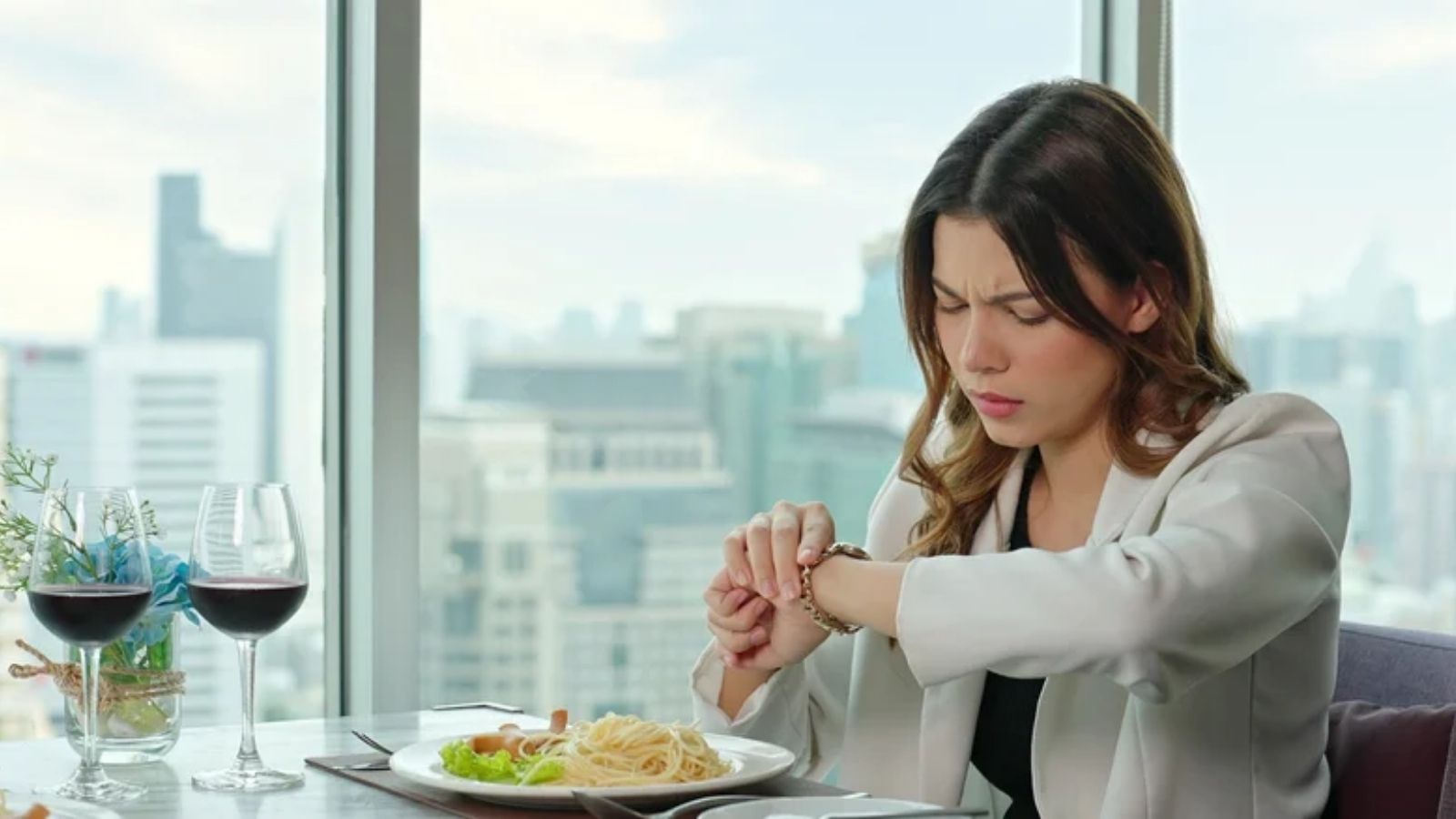
Being on time used to be an unspoken rule of dining etiquette. Dinner was scheduled for six o’clock, and you were expected to be there precisely at that time. Not a minute early, not a minute late. Showing up late was considered impolite, and in some circles, downright disrespectful. Today, life’s unpredictability has made punctuality less stringent.
With busy schedules, traffic delays, and last-minute work calls, everyone knows that timing doesn’t always align perfectly. The rise of texting and instant messaging has helped ease the pressure to be punctual. Sending a quick “running a few minutes late” text can go a long way in maintaining good etiquette.
Of course, arriving fashionably late on occasion still isn’t an excuse for chronic tardiness, but the rigid obsession with punctuality has softened significantly.
Asking to Be Excused
Do you remember being taught to wait until everyone finished eating before you could ask to be excused? For children, it was a sign of respect for the meal and the host. Leaving the table without formally requesting permission was seen as rude or disrespectful, especially in formal settings.
Now, people often leave the table as soon as they’ve finished their meal. There’s no longer a need for formal permission to leave, and most hosts are perfectly okay with guests getting up whenever they feel like it. This shift reflects a broader societal change toward more flexible, less rigidly formal meal times. As long as you’re not disrupting the meal or being rude, it’s perfectly acceptable to eat at your own pace
Waiting for Everyone to Be Served
It was once considered incredibly rude to start eating before everyone at the table had been served their meal. The idea was that the dining experience was about communal enjoyment, and eating before everyone was ready could be seen as impatience or disrespect. As dining practices evolved, so did this rule.
Today, it’s far more common to dig into your meal as soon as it’s in front of you—especially at casual meals and restaurants. If someone’s plate is delayed, there’s no need to let your food go cold while waiting. However, it’s still courteous to avoid diving in while others are waiting for their meals. It’s all about finding balance and not making anyone feel left out.
Phones at the Table

In the past, having a phone at the dinner table was considered rude, even disrespectful. The dinner table was a space for uninterrupted conversation, and anything that distracted from that was frowned upon. At the time, it wasn’t even about texting or social media—phones themselves were seen as disruptive.
Fast forward to the smartphone era, and that rule has significantly softened. Today, a glance at your phone during dinner isn’t considered an automatic breach of etiquette. Texting or checking a notification now feels more like a regular part of the dining experience for many people.
That said, scrolling through your feed or answering work emails while someone is trying to have a conversation is still seen as impolite. It’s all about finding a balance between staying connected and remaining present with those you’re dining with.
Sitting at the Table
Mealtime used to be a structured affair. Everyone gathered at the table, sat down, and ate together at the same time. Eating in front of the TV, standing up, or eating at odd hours was seen as undignified and even primitive. In today’s world, the dining table has lost some of its sacredness.
Whether it’s eating in front of the TV, grabbing a meal on the go, or eating in bed, dining habits have shifted to fit modern lifestyles. With smaller living spaces and busy routines, the dining table often takes a back seat to more convenient options. This doesn’t mean that mealtime has become disrespectful—it’s just become more flexible and adaptable to our day-to-day lives.
Conclusion
Dining etiquette has evolved alongside societal changes, and what was once considered essential is now seen as optional, outdated, or even irrelevant. The shift toward more casual, flexible dining experiences reflects a broader cultural movement towards relaxed, enjoyable, and less stressful interactions. These outdated rules no longer govern how we dine; instead, we embrace a more personal, adaptable approach to mealtimes.
The traditional rules of dining etiquette—whether it’s removing your hat, arriving punctually, or sitting down at the table together—have softened over the years. While some old-school manners are still valued, there’s no denying that modern life requires more flexibility. In today’s world, dining is less about impressing others and more about comfort, connection, and enjoying the meal.