6 Defining Memories of the Boomer Childhood

The Baby Boomer generation, raised in a world without smartphones, streaming services, and social media, enjoyed a childhood marked by immersive, tactile experiences and a sense of freedom. These formative moments, shaped by simplicity and real-world interaction, stand in stark contrast to today’s digital era.
Riding Bikes Without Helmets: The Ultimate Symbol of Freedom
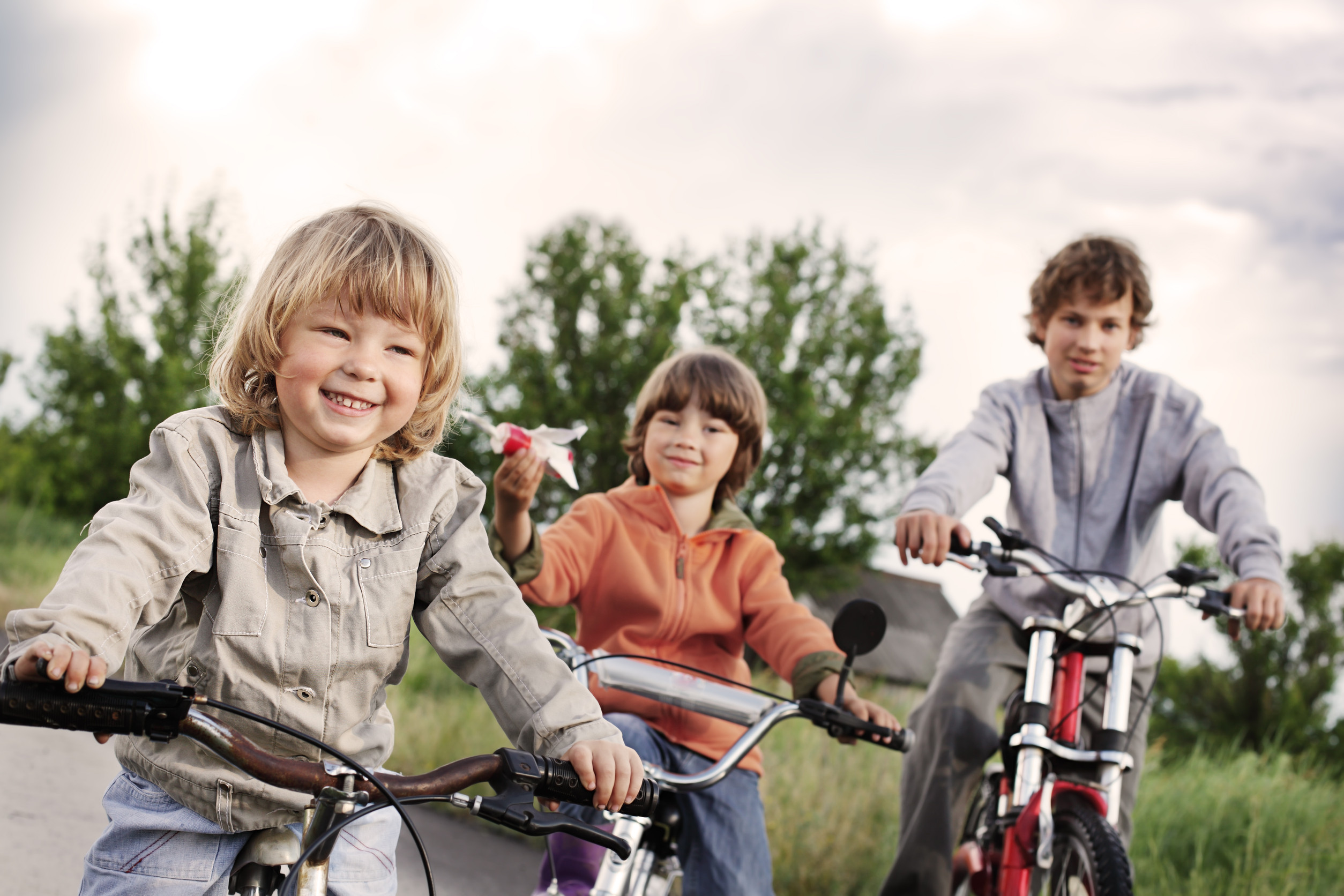
Before safety regulations and constant monitoring, a bike was more than just a mode of transportation; it was a gateway to independence. Baby Boomers would race their bikes down sidewalks and through neighborhoods without helmets or protective gear, a practice that now feels almost foreign.
The absence of supervision meant that kids were trusted to know their limits, creating a sense of freedom that can’t be replicated in today’s structured world. For Boomers, a bike wasn’t just about the ride; it was about the journey. It meant endless exploration, carefree adventures, and a deep sense of autonomy.
Saturday Morning Cartoons: A Sacred Ritual
Saturday mornings were the highlight of the week for any Boomer child. Waking up early, pouring a sugary bowl of cereal, and rushing to the TV to catch hours of cartoons was more than just entertainment; it was a rite of passage. With limited programming and no on-demand options, kids had to rearrange their schedules to fit within the narrow time window for these animated adventures.
Unstructured Outdoor Play: Freedom That Built Character
The Boomer childhood was defined by time spent outdoors, unstructured and free from the kind of supervision that’s common today. From playing tag to building tree forts, outdoor play wasn’t just an activity; it was a way of life. Kids wandered through their neighborhoods, creating games, exploring nature, and forging friendships without screens or planned activities.
Vinyl Records: Music That Was Physical and Personal

Long before Spotify and digital playlists, the music that shaped a Boomer’s childhood came in the form of vinyl records. There was something deeply personal about owning a vinyl collection. The act of carefully placing the needle on the record, listening to the crackles and pops, and enjoying an album from beginning to end was an experience that demanded attention and respect.
Handwritten Letters: A Slow and Personal Connection
Before instant communication, Baby Boomers communicated with one another through handwritten letters. The process of selecting stationery, sitting down with a pen, and crafting a message was a ritual of its own. Each letter felt like a personal connection, something that couldn’t be rushed or automated.
Using Rotary Phones: The Art of Patience in Communication
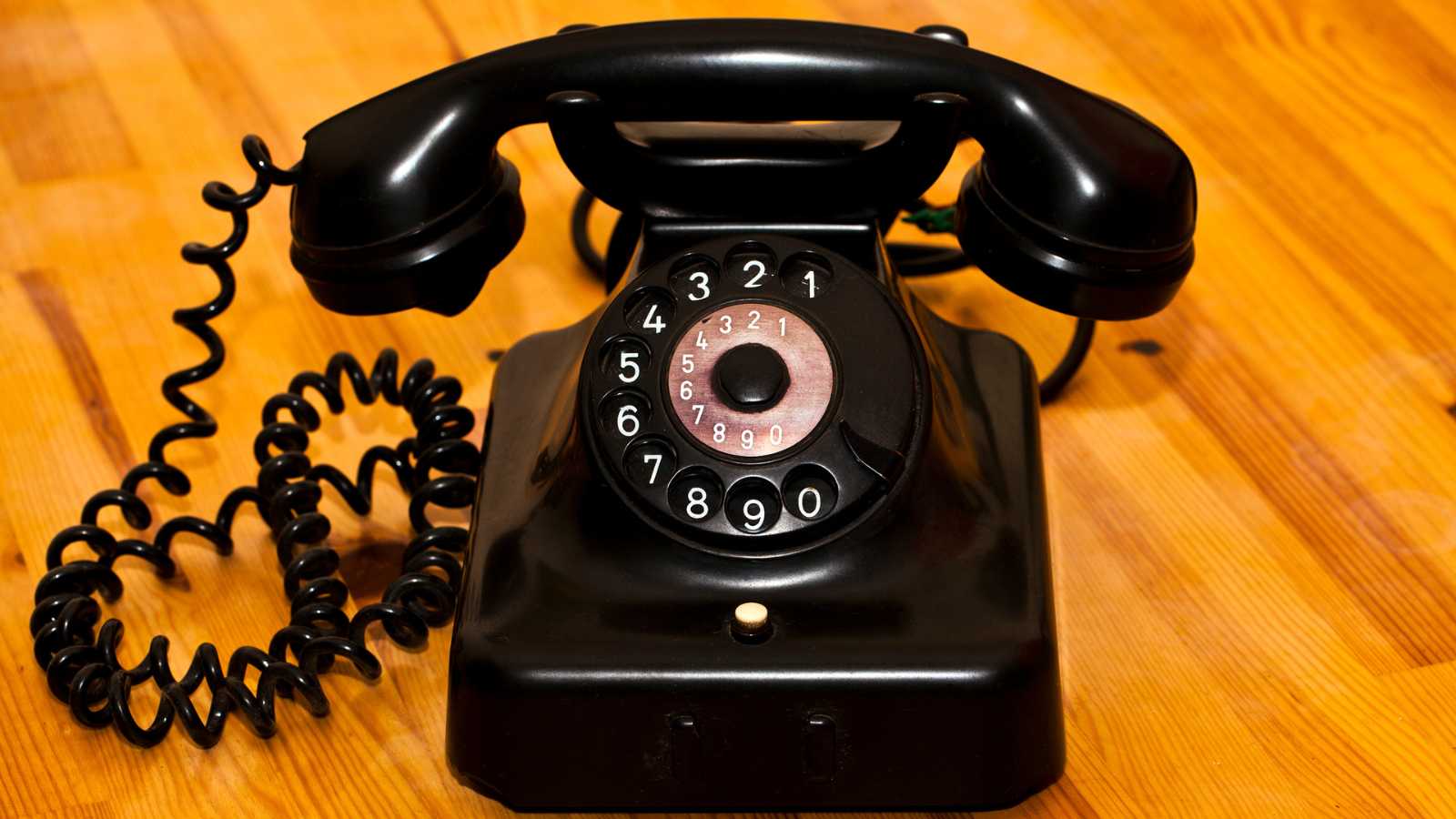
Rotary phones, a fixture in almost every Boomer home, represented a time when making a phone call required patience and focus. Tethered to the kitchen wall by a spiraled cord, these phones offered no convenience of modern touchscreens. Dialing a number involved a slow, deliberate process, each turn of the dial bringing you closer to the connection.
There was no such thing as multitasking during a call. Conversations were usually public affairs, with family members overhearing each exchange. The deliberate pace of dialing and the physical effort of reaching the receiver forced people to be present in the moment. When you called someone, you couldn’t just text them or leave a voicemail.
Conclusion
These six defining memories encapsulate the essence of the Boomer childhood, a time when life was simpler, slower, and richer in experience. They highlight the freedom of an unstructured childhood, the personal connection fostered through handwritten letters, and the tangible, sensory nature of music and communication. They remind us of a time when life’s most meaningful moments were offline, unhurried, and filled with the joy of simply being.
Read the original article in Crafting Your Home