6 Controversial Foods Banned in Other Countries But Still Available in the U.S.
While the U.S. is home to an abundance of processed foods and additives, many of the ingredients commonly found in American products are banned in other countries due to safety concerns. These banned foods, ranging from artificial dyes to chemical preservatives, remain allowed in the U.S. despite evidence of potential risks.
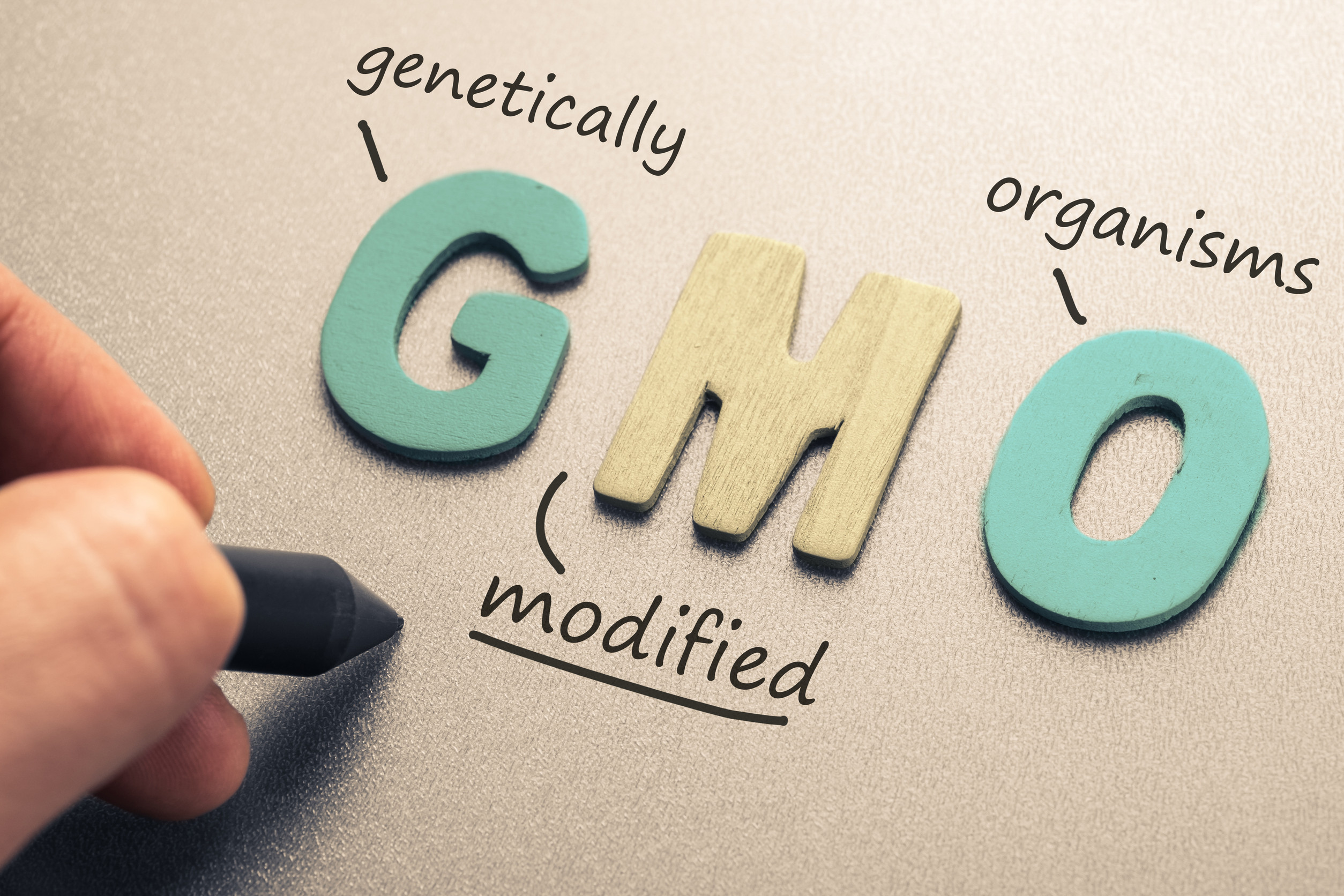
Genetically Modified Organisms (GMOs)

Genetically modified organisms (GMOs) are prevalent in the U.S. food supply, found in everything from corn to soy to zucchini. While some argue that GMOs provide farmers with higher yields and pest resistance, countries such as France, Germany, and much of the European Union have imposed strict regulations or outright bans on GM crops.
These nations cite concerns about environmental impact and long-term health risks. Despite this, GMO crops remain a cornerstone of U.S. agriculture, raising questions about their safety and the long-term effects of consuming GM food products.
Global Status: Banned or heavily restricted in Europe, still widespread in the U.S.
Potassium Bromate in Bread and Baked Goods
Potassium bromate is a chemical additive used in bread products to enhance texture and improve rise. However, potassium bromate has been linked to cancer in research studies, leading many countries, including the UK, China, and India, to ban its use in food production.
Despite the evidence, the U.S. has not yet banned potassium bromate, allowing it to remain in many commercially produced breads and baked goods. The question remains: Is it worth the risk to our health for the sake of fluffier bread?
Global Status: Banned in Europe, China, India; still used in the U.S.
Skittles and Candies Containing Titanium Dioxide

Titanium dioxide is a common additive used to give candies, like Skittles, their bright white appearance. While it may seem harmless, studies have raised concerns about its potential to cause DNA damage. As a result, the European Union has banned its use in food products, and several countries are following suit.
However, in the U.S., titanium dioxide is still permitted, as long as it makes up less than 1% of the product’s total weight. The debate continues about whether this seemingly innocent ingredient poses a greater threat than we realize.
Global Status: Banned in Europe, still legal in the U.S.
Ractopamine in Pork and Beef
Ractopamine is a feed additive used in the U.S. to increase muscle mass in livestock, specifically pigs and cattle. While it helps animals grow faster and produce leaner meat, over 160 countries, including the European Union and China, have banned its use due to concerns about animal welfare and potential risks to human health.
The FDA continues to permit ractopamine in U.S. livestock feed, despite growing opposition from international bodies. The controversy surrounding ractopamine highlights the ongoing tension between food production efficiency and consumer health.
Global Status: Banned in over 160 countries, still used in the U.S.
Olestra (Fat Substitute) in Snack Foods
Olestra, a fat substitute used in many low-fat snacks, has been a staple of U.S. processed foods for years. Though it was marketed as a healthier alternative to traditional fats, olestra blocks the absorption of essential vitamins and can cause unpleasant digestive side effects.
As a result, many countries have banned the substance from their food products, yet it remains in use in the U.S. The health risks associated with olestra continue to be a point of contention, as experts warn that the long-term effects of consuming this fat substitute may not be fully understood.
Global Status: Banned in several countries, still allowed in the U.S.
Chlorinated Chicken

In the U.S., it’s common practice to rinse chicken with chlorine to kill harmful bacteria like Salmonella. While this method has been used for decades, many European countries have banned chlorine-washed chicken, arguing that it is a quick fix for poor farming practices rather than addressing the root cause of contamination.
Instead, the EU advocates for stricter hygiene standards in chicken farming. Despite these concerns, chlorinated chicken remains widely available in the U.S., raising questions about the effectiveness and safety of this controversial cleaning method.
Global Status: Banned in the EU, still common in the U.S.
Conclusion
These six controversial foods highlight significant differences in food safety standards between the U.S. and other countries. While some of these ingredients and additives have been linked to health risks, they remain legal in the U.S., leading many to question why such substances are allowed to stay on American shelves.
As global food safety standards evolve and more people become aware of these risks, the hope is that the U.S. will reevaluate its approach to food regulation, ensuring that consumer health remains the top priority.