6 Compelling Reasons Seniors Should Reconsider Remarriage

As life evolves and the golden years unfold, seniors often find themselves reflecting on the past while considering the future. After experiencing the complexities of marriage, divorce, or widowhood, the idea of remarriage can seem enticing. But while companionship in later life is priceless, the realities of remarriage for seniors can pose challenges that outweigh the benefits.
Blending Families Can Create Emotional Strain

For seniors, remarriage often involves blending families, which can introduce significant emotional complexity. Children, grandchildren, and even close friends have their own established dynamics and expectations. Introducing a new spouse can stir up feelings of jealousy, confusion, or discomfort. Adult children may worry about inheritance, caregiving responsibilities, and conflicts of loyalty.
What should be a time of celebration and growth may turn into a battleground of emotions, especially when navigating long-standing family traditions and deep emotional ties. Blending families can be especially challenging for seniors who already have established relationships and traditions with their children and grandchildren. The presence of a new spouse can stir up emotions of jealousy, confusion, or resentment.
Financial Freedom Can Be at Risk
One of the most rewarding aspects of aging is the financial independence you’ve worked so hard to achieve. After years of managing your own finances, saving for retirement, and planning your future, it’s natural to value the freedom that comes with it. Remarrying can jeopardize this independence. Merging finances with a new partner, especially if they bring debts, different spending habits, or tax considerations, can disrupt the financial stability you’ve built.
The freedom you’ve enjoyed may quickly give way to complications, potentially impacting your retirement plans, healthcare benefits, and financial goals. As a senior, you’ve likely worked hard to build your wealth and ensure that your savings will provide for you in your later years. Merging your finances with a new spouse could introduce complications that you hadn’t anticipated.
Estate Planning Could Be Compromised
Over the years, many seniors carefully craft their estate plans to ensure that their assets are passed down as they wish. However, remarriage can disrupt those carefully laid plans. In many states, the legal default grants a new spouse significant rights to your estate, potentially disinheriting children or other loved ones if not adequately addressed. Failing to update legal documents, such as wills and trusts, can lead to unintended consequences.
These complications could spark family disputes, resulting in long-term strain on relationships that could have been avoided with careful planning. Estate planning is something that many seniors invest significant time and effort in to ensure their wishes are honored after they’re gone. However, remarrying late in life can create unforeseen challenges to that planning.
Many states automatically grant spouses significant rights to the estate, meaning that your new spouse could inherit assets you intended for your children or other loved ones. If you fail to update your estate planning documents, such as your will or trust, you may inadvertently disinherit those you care most about. The resulting family conflicts can lead to lasting tension and resentment that could have been avoided with careful foresight.
Long-Term Care and Health Challenges Are Real
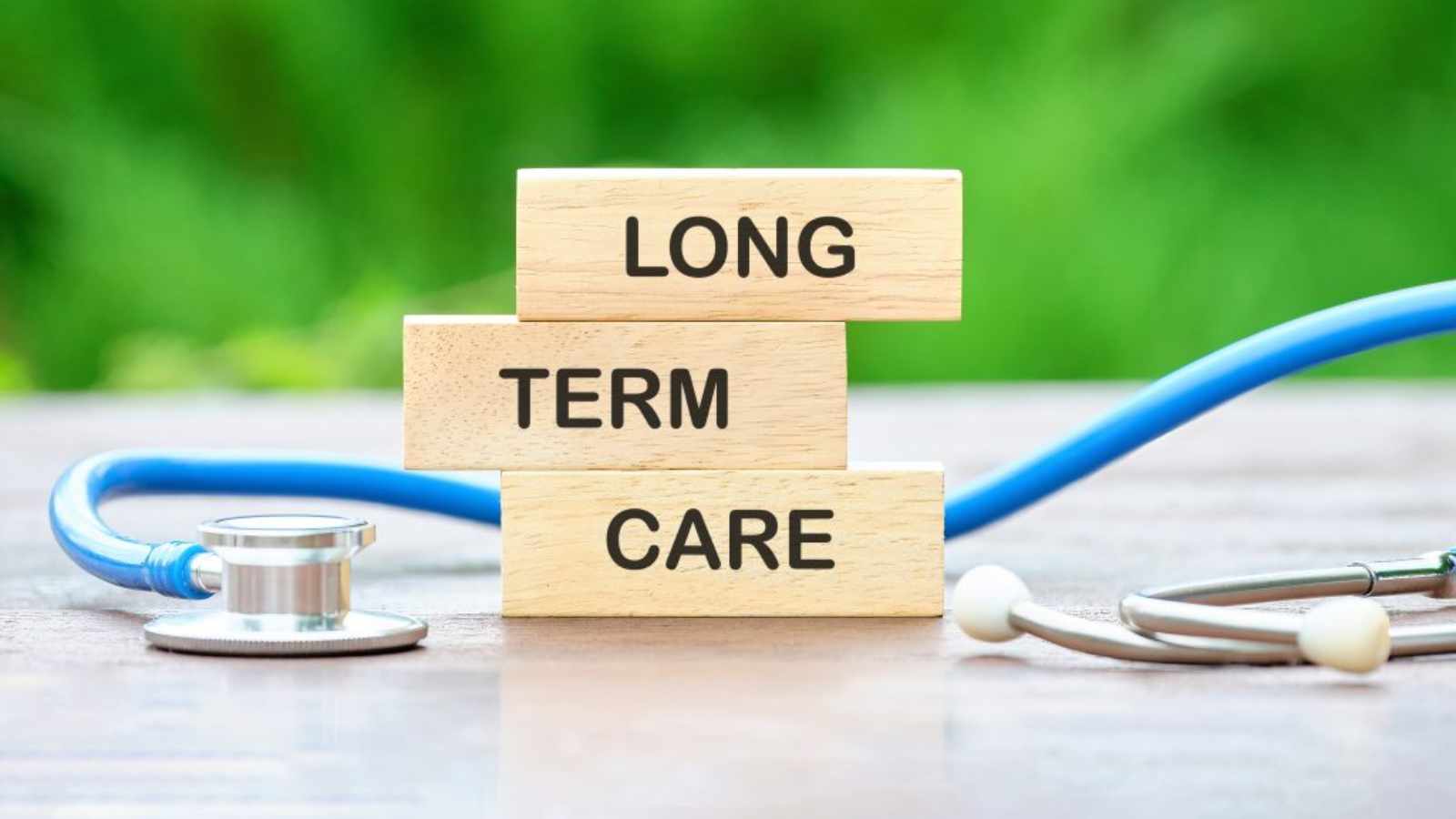
As we age, health concerns become increasingly important in our lives. Remarrying at this stage doesn’t just mean gaining a companion; it often means taking on the responsibility of caring for a spouse’s health. This could include managing their medical needs, navigating long-term care decisions, or even providing caregiving. The physical, emotional, and financial toll of this responsibility can be overwhelming.
The energy and time required for caregiving might take away from your own well-being, and the prospect of becoming responsible for someone else’s health might feel burdensome rather than rewarding. Seniors often face health challenges as they age, and marrying again can bring additional complications. If you remarry, you may find yourself responsible for the medical care of a spouse who requires assistance, particularly as you both face increasing health needs.
The Risk of Another Loss Can Be Devastating
While love and companionship are deeply fulfilling, there’s a harsh reality in later life, one partner will eventually outlive the other. After the grief of losing a spouse once, the thought of enduring that pain again can be overwhelming. The process of caregiving followed by mourning can leave you emotionally drained, especially when you’re in a phase of life where peace and joy should be paramount.
The prospect of a second loss can overshadow the rewards of remarriage, making it an unappealing risk. For seniors, the possibility of losing a spouse again after remarriage can be especially devastating. The grief of losing a second partner may be even more overwhelming than the first. The caregiving that often precedes death, followed by the mourning process, can leave you emotionally exhausted.
Independence Is a Gift You’ve Earned

One of the most significant benefits of life after divorce or widowhood is rediscovering independence. After years of sharing space, routines, and responsibilities, you’ve had the chance to build a life centered on your own needs, desires, and schedule. Remarrying means reintegrating someone else into your personal space and life, which can feel restrictive. For those who have enjoyed the freedom to make decisions without compromise, the prospect of adjusting your lifestyle again may feel like a disruption rather than a benefit.
Perhaps one of the greatest gifts of life in your senior years is the freedom and independence you’ve earned. After years of being part of a couple, you’ve had the chance to rediscover who you are, build your routine around your personal preferences, and take control of your time.
Conclusion
Choosing to stay single in your later years is a powerful decision that can lead to peace of mind, stability, and a fulfilling life. While the idea of remarriage may seem tempting, the financial complications, emotional strain, and potential loss of personal freedom can make it a risky choice.
By considering these six compelling reasons, seniors can embrace their independence, protect their legacy, and find contentment in relationships that don’t require legal commitments. The golden years should be about living authentically and enjoying the freedom you’ve earned, with or without a spouse.